Why Two-Player Strategy Games Transform Your Classroom (And How to Use Them Right)
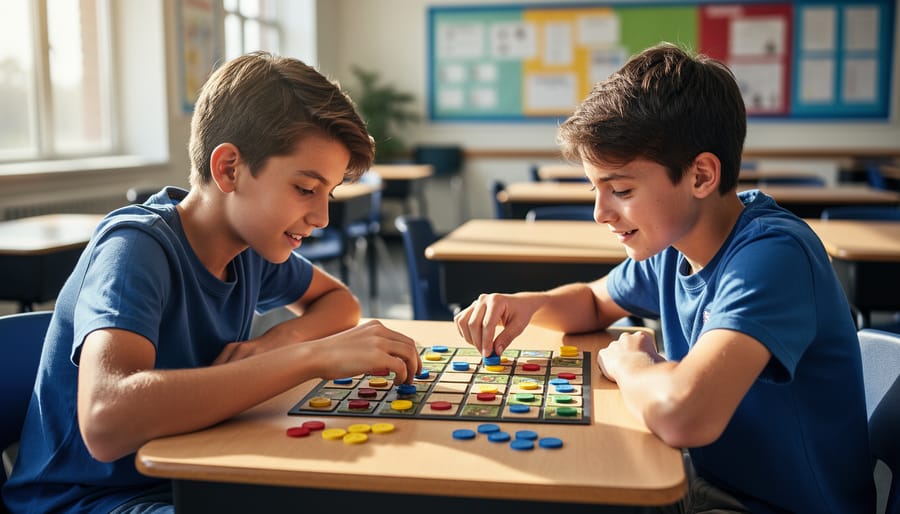
Pair students strategically to create perfect teaching moments where collaboration meets healthy competition. Two-player strategy games transform classroom dynamics by placing learners in direct problem-solving situations where they must think critically, anticipate their partner’s moves, and adapt their approach in real-time. These focused interactions create immediate feedback loops that help students internalize concepts faster than traditional instruction alone.
Choose games that match your specific learning objectives—math facts work brilliantly with turn-based number battles, while vocabulary building thrives in word strategy challenges. The one-on-one format eliminates the chaos of large group activities and ensures every student actively participates rather than hiding in the background. You’ll notice quieter students often shine in paired settings where the pressure feels manageable and the stakes remain fun.
Implement game-based learning strategies by starting with simple five-minute matches that fit seamlessly into transition times or early finisher activities. Keep scorecards visible to track progress and celebrate growth, not just victories. Rotate partners regularly to prevent the same students from always competing and to build classroom community across different skill levels.
Customize game templates to align with current curriculum units, swapping out questions and challenges as you move through topics. This flexibility means one game structure serves multiple purposes throughout the year, saving precious planning time while maintaining student engagement through familiar mechanics they’ve already mastered.
What Makes 2-Player Strategy Games Different
The Power of Head-to-Head Competition
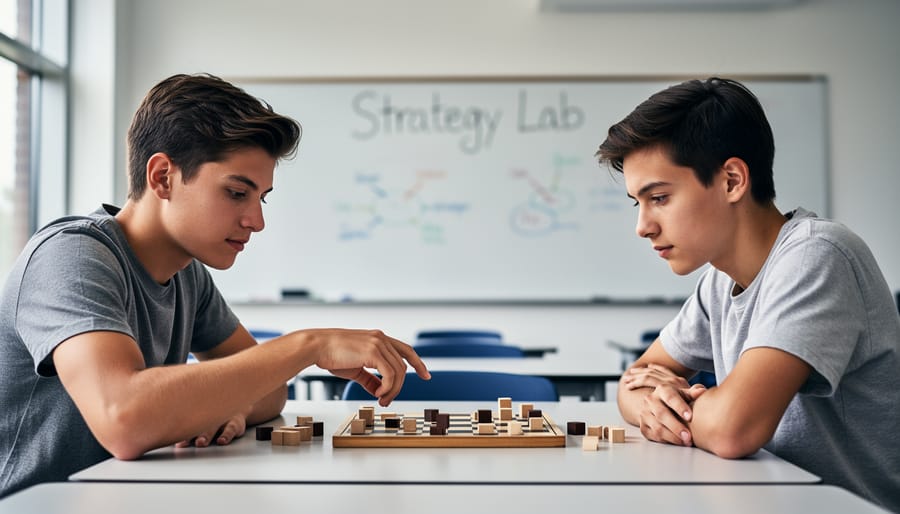
There’s something special about the one-on-one dynamic that makes two-player games uniquely powerful in your classroom. When students face off directly with a partner, they can’t hide in the background or zone out like they might during whole-class activities. Every move matters, and both players know their partner is counting on them to stay engaged.
This focused attention creates natural accountability without you having to monitor every interaction. Students become invested in the game because their actions directly impact another person, not just a team score. You’ll notice how quickly even reluctant learners lean in when they realize someone is watching and responding to their choices.
The beauty of head-to-head play is how it levels the playing field. In larger groups, dominant personalities often take over while quieter students fade into the background. But in pairs, everyone gets equal airtime and must participate actively. Both players have to think critically, make decisions, and experience the immediate consequences of their strategic choices.
This intimate setting also builds important social skills. Students learn to read their opponent’s moves, adjust their strategies, and handle winning or losing gracefully—all valuable life lessons wrapped up in engaging gameplay.
Building Strategic Thinking Skills
Two-player strategy games are incredible brain-boosters for your students! When kids engage in strategic gameplay with a partner, they’re developing essential thinking skills that extend far beyond the game board.
Planning ahead becomes second nature as students learn to map out their moves and consider multiple possibilities. They start asking themselves, “If I do this, what might happen next?” This kind of forward-thinking is exactly what we want to see in problem-solving across all subjects.
The magic really happens when students anticipate what their opponent might do. They’re literally putting themselves in someone else’s shoes, which strengthens both empathy and analytical thinking. Your students become mini-detectives, reading cues and predicting actions based on patterns they observe.
Real-time adaptation is where the excitement peaks! When a carefully planned strategy doesn’t work out, students must think on their feet and adjust. This builds resilience and flexible thinking, teaching kids that setbacks are just opportunities to try a different approach.
These games create a safe space where students can experiment with decision-making, learn from mistakes immediately, and celebrate clever thinking. Best of all, the competitive element keeps them motivated and fully engaged in the learning process!
Advanced Learning Benefits You’ll See in Your Classroom
Critical Thinking and Problem-Solving
Here’s the wonderful news: two-player strategy games are like mini boot camps for your students’ brains! When kids face off in these games, they’re not just having fun—they’re developing essential thinking skills that transfer directly to academic challenges.
Think about what happens during a typical game. Students must quickly assess the current situation, predict their opponent’s next move, and choose the best response from multiple options. Should they play defensively or take a risk? What happens if their strategy doesn’t work? These real-time decisions create a safe space for consequence-based learning.
The immediate feedback loop is key. Unlike traditional assignments where students wait days for grades, strategic games show results instantly. Make a poor choice? Your opponent gains an advantage right away. This immediate cause-and-effect teaches students to evaluate their decisions critically and adjust their approach on the fly.
You can amplify this learning by asking reflection questions after gameplay: “What made you choose that move?” or “What would you do differently next time?” These simple prompts help students recognize their thought processes and develop metacognitive awareness—all while they think they’re just playing games!
Social-Emotional Learning Through Competition
Two-player strategy games create powerful opportunities for students to develop essential social-emotional skills in a low-stakes environment. When students compete head-to-head, they naturally encounter moments that require emotional regulation—whether that’s managing frustration when a strategy fails or staying focused when they’re behind. These games become safe spaces to practice handling disappointment and building resilience.
The beauty of strategic gameplay is that it teaches sportsmanship through experience rather than lectures. Students learn to congratulate opponents who outsmarted them and recognize clever moves even when they’re on the losing end. Winning graciously becomes just as important as handling losses, and you can guide these lessons through post-game reflection questions like “What strategy surprised you?” or “How did it feel when the game shifted?”
Start by modeling positive competitive behavior yourself. Play against students occasionally and demonstrate how to lose with humor and grace. Celebrate not just victories, but creative thinking and improvement. Consider implementing a “handshake rule” or creating custom phrases students use before and after games to establish respectful rituals. You might even designate students as “sportsmanship spotters” who recognize peers displaying excellent emotional control. These small touches transform competition into character-building moments that extend far beyond your classroom.
Communication and Respectful Debate
Here’s something wonderful that often surprises teachers: strategy games naturally transform students into articulate communicators! When two players face off in a strategic game, they’re constantly explaining their moves, questioning decisions, and discussing possibilities. You’ll hear phrases like “I think this move works better because…” or “What if we tried it this way instead?” These games create a safe space where students practice expressing complex thoughts in clear, logical ways.
The negotiation skills that emerge are equally impressive. Students work together to clarify rules, resolve disputes, and sometimes even modify gameplay to make it more balanced or engaging. This teaches them that disagreement doesn’t mean conflict – it’s an opportunity for problem-solving and compromise. You’re essentially watching them build real-world diplomacy skills disguised as play!
What makes this especially powerful is that the game structure keeps conversations focused and respectful. There are clear objectives, agreed-upon rules, and shared goals of fair play. Students learn to critique strategies rather than people, developing the kind of constructive feedback skills they’ll use throughout their academic careers. The best part? They’re having so much fun they don’t even realize they’re practicing these essential communication skills!
Setting Up 2-Player Games for Maximum Learning
Pairing Students Strategically
Who plays with whom can make or break your game time! The good news? You have several awesome pairing options that each serve different learning goals.
Start by matching students of similar skill levels when introducing new games. This creates balanced competition and keeps both players engaged without frustration. Once everyone understands the basics, try mixing abilities intentionally. Pair stronger students with those who need support, and watch the magic of peer teaching unfold. Your advanced players get to reinforce their understanding by explaining strategies, while struggling students receive patient, kid-friendly guidance.
Don’t forget to rotate partners regularly! This keeps the experience fresh and helps students develop flexibility in their thinking. Some kids work brilliantly with certain partners but need coaching with others, which builds valuable social skills alongside academic ones.
Consider creating a rotation schedule or using random pairing methods like drawing names. You might even let students choose partners occasionally as a motivational reward. The key is varying your approach based on your learning objectives for that particular session. Mix it up, observe what works best for your class, and adjust as needed.
Creating the Right Environment
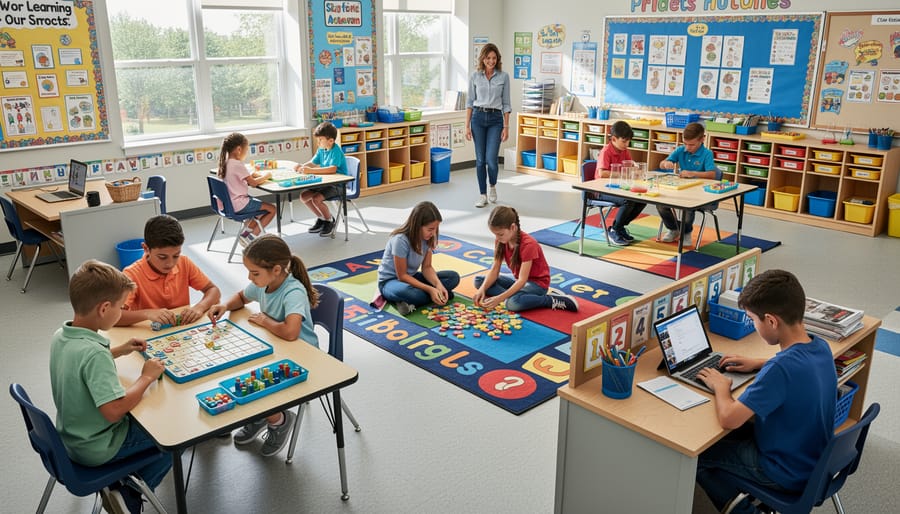
Setting up your classroom for successful 2-player strategy games makes all the difference! Start by designating specific game zones where pairs can focus without distraction. Space desks or tables far enough apart so students aren’t overhearing strategies from neighboring games. This keeps the challenge fair and maintains engagement.
Noise management is key when multiple pairs play simultaneously. Establish clear volume expectations from the start, using a fun visual cue like a noise meter or hand signal when things get too loud. Remember, some excited chatter shows engagement, so find that sweet spot between productive buzz and chaos!
Creating a friendly competitive culture requires intentional teaching. Before launching games, discuss what good sportsmanship looks like in your classroom. Model phrases like “good move” or “I didn’t think of that strategy” to normalize respectful competition. Consider implementing a reflection routine where students share what they learned from their opponent after each game.
Make the environment even more inviting by rotating partnerships regularly, celebrating clever strategies publicly, and emphasizing that losing teaches us valuable lessons. When students see mistakes as learning opportunities rather than failures, they’ll approach strategy games with curiosity and confidence. This positive atmosphere turns competition into collaboration, where everyone grows together!
Time Management Tips That Actually Work
Making time for strategic games doesn’t have to disrupt your schedule. Start with quick 5-10 minute rounds for simple games like tic-tac-toe variations or rock-paper-scissors strategy challenges. These work perfectly as warm-ups or transition activities between lessons.
For longer class periods, try tournament brackets where students rotate partners every 10 minutes. This keeps energy high and lets everyone experience different playing styles. Set phone timers or use a visible countdown timer so students can manage their own pacing.
Got a 30-minute block? Perfect for best-of-three matches with reflection time built in. Students can discuss their strategies and what they learned between rounds.
The key is customization. Mix and match game lengths to fit your needs. Some teachers dedicate Friday afternoons to longer strategy sessions, while others sprinkle 5-minute brain breaks throughout the week. Choose what works for your classroom rhythm and watch engagement soar.
Best Types of 2-Player Strategy Games for Different Goals
Quick-Play Games for Review and Warm-Ups
When you need something quick and energizing, fast-paced strategy games are your secret weapon! These speedy options work wonderfully for the first five minutes of class or as brain breaks between lessons.
PowerPoint game templates are especially fantastic for review sessions. You can easily customize them with your own content, whether it’s vocabulary words, math problems, or historical facts. Students love the competitive element, and you’ll love how engaged they become with material they need to practice.
Try games with time limits to keep the energy high. Set a timer for 3-5 minutes and watch pairs race to complete challenges or answer questions. The quick format means students stay focused without getting restless.
These games also work perfectly when you have unexpected extra time at the end of class. Keep a few templates ready to go on your computer, and you’ll always have an engaging activity that feels fun rather than like filler. Your students will actually look forward to review time!
Deep Strategy Games for Extended Learning
For students ready to tackle more challenging strategic thinking, consider introducing classroom board games that require deeper analysis and planning. Chess remains the ultimate option, teaching students to think several moves ahead while considering their opponent’s perspective. You can adapt it by having students explain their reasoning before each move, turning gameplay into valuable metacognitive practice.
Strategic card games like Set or Stratego work wonderfully for developing pattern recognition and probability thinking. These games naturally encourage students to form hypotheses, test strategies, and adjust their approach based on outcomes. The beauty of these deeper games is their replayability—students discover new strategies each time they play.
Start with modified rules or shorter game sessions to prevent overwhelm, then gradually increase complexity as students build confidence. Pair advanced players with developing strategists occasionally to create peer mentoring opportunities that benefit both students while maintaining engagement across skill levels.
Subject-Specific Strategy Games
Ready to supercharge content review? Strategic two-player games work beautifully across all subjects! In math, try “Equation Battle” where partners solve problems to earn strategic moves on a game board. For language arts, create “Vocabulary Conquest” where students use new words correctly to claim territory. Science comes alive with “Element Showdown,” pairing students to match properties and applications strategically. Social studies transforms into “Timeline Tactics,” where players position historical events correctly to win points. The magic happens when you customize these game-based learning examples to match your current curriculum. Simply plug in your vocabulary lists, math problems, or science concepts into the game framework. Students review content while developing critical thinking skills through strategic gameplay, making learning stick in ways traditional methods can’t match!
Customizing Games for Your Classroom Needs
Adapting Difficulty Levels
Making strategy games work for everyone in your classroom is easier than you think! Start by adjusting the game’s complexity based on your students’ abilities. For younger learners or those needing extra support, simplify rules by reducing the number of moves, using visual aids, or limiting strategic options. You might introduce cooperative elements where partners work together before competing.
For advanced students, add challenge layers like time limits, additional strategic choices, or bonus objectives. The beauty of 2 player games is you can create mixed-ability pairs where stronger students mentor struggling ones, building both skills and confidence.
Try offering different versions of the same game simultaneously. While one pair plays a basic version, another tackles the advanced rules. This keeps everyone engaged at their perfect learning level. Remember to rotate partners regularly so students experience various skill levels and strategic approaches. Your classroom becomes more inclusive when games flex to meet each learner exactly where they are!
Adding Your Content Seamlessly
The magic is making your educational content feel like a natural part of the game, not an interruption! Start by embedding questions or vocabulary directly into game spaces or cards. For example, in a chess-style strategy game, players might need to answer a math problem correctly before moving their piece. The key is keeping it quick—think 15-30 seconds max per question so the strategic flow continues.
Try color-coding different subject areas or difficulty levels, giving students visual cues while maintaining game momentum. You can also use answer choices as movement options, where selecting the correct answer provides a strategic advantage like moving two spaces instead of one.
Don’t overload each turn with content. Balance is everything! Aim for one question or concept per turn, allowing players to focus on both the learning objective and their game strategy. Remember, if students are groaning about too many interruptions, they’ll lose interest in the strategic elements that make these games so engaging. Keep it snappy, relevant, and fun!
Troubleshooting Common Challenges
When Competition Gets Too Intense
Sometimes the competitive spirit can overshadow learning, but you can easily bring things back into balance. If you notice students getting too intense, pause the game and remind everyone of the learning goals. Try emphasizing personal improvement over winning by having students track their own progress or strategies used rather than just victories. You can also modify games to include collaborative elements, like earning bonus points when both players explain their reasoning. Consider rotating partners frequently so no rivalry becomes too heated, and celebrate creative thinking and good sportsmanship as much as winning moves. Remember, a little friendly competition energizes learning, but keeping the focus on strategy development and critical thinking ensures everyone benefits. If tensions rise, simply redirect attention to what students discovered or learned during gameplay rather than who won.
Engaging Reluctant Players
Not every student will jump at the chance to play strategy games, and that’s perfectly okay! For shy students, try starting with observer roles where they can watch a round before playing. You can also create lower-stakes practice sessions where games don’t count toward grades or points, helping ease performance anxiety.
For students afraid of losing, emphasize the learning process over winning. Celebrate smart moves and creative thinking regardless of the outcome. Consider implementing reflection questions that focus on what strategies they tried rather than who won. You might also pair these students with encouraging partners who model good sportsmanship.
When students seem uninterested, tap into their passions by customizing game themes around topics they care about. Let them help design game variations or choose which strategies to explore. Sometimes, giving reluctant players a teaching role works wonders—ask them to explain a strategy to classmates, which naturally draws them into engagement. Remember, even small participation is progress worth celebrating!
Keeping Everyone Involved
Managing a full classroom during pair-based activities doesn’t have to be tricky! Set up a rotation system where pairs play while others work on related independent activities, then switch. This keeps everyone engaged and prevents wait time. Consider assigning observer roles where students watch a game in progress and note strategies used, then share insights with the class. You can also create tournament brackets where winners advance while others engage in practice rounds or reflective journaling about their gameplay decisions. Another option is establishing multiple game stations with different strategic games running simultaneously, allowing you to maximize participation. The key is planning transitions carefully and giving non-playing students meaningful tasks that connect to the learning objectives. With these approaches, every student stays actively involved in the learning process, whether they’re currently at the game board or preparing for their turn.
Measuring Success and Learning Outcomes
Observation Strategies
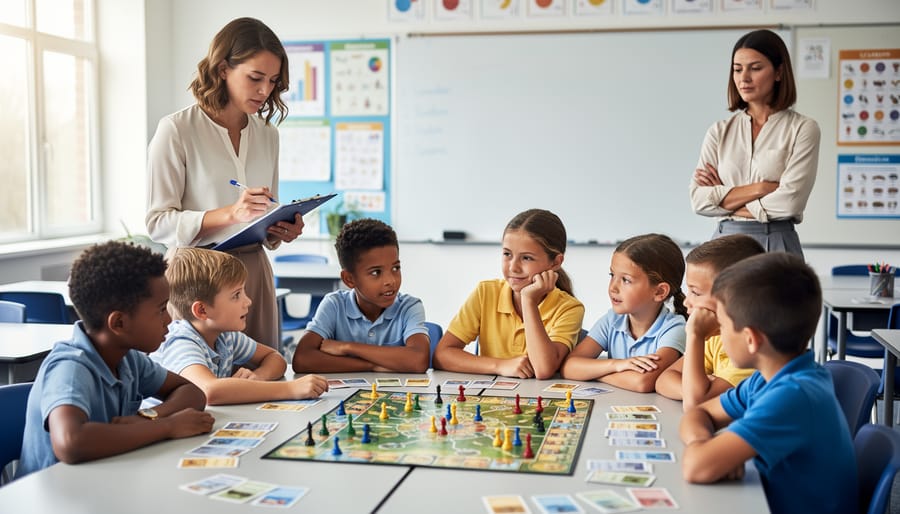
Watch your students closely during gameplay to spot exciting signs of growth! Notice when players start pausing before moves—this thoughtful hesitation shows they’re planning ahead rather than reacting impulsively. Look for students who begin predicting their partner’s next move or explaining their reasoning out loud. These are golden moments of strategic thinking in action!
Pay attention to how students handle setbacks. Are they learning from mistakes and adjusting their approach? When you see players trying different tactics after losing, that’s resilience building! Also celebrate when students ask strategic questions like “What if I do this instead?” or start identifying patterns in the game. These observations help you recognize when to increase challenge levels or pair students differently for optimal learning.
Simple Assessment Ideas
Keep assessment simple and stress-free! Watch students during gameplay to observe their decision-making patterns and adaptability. Notice how they respond when strategies fail or when opponents change tactics. Quick thumbs-up or thumbs-down checks work great for gauging confidence levels after each round.
Try exit ticket prompts like “What strategy worked best today?” or “How did you adjust your approach?” These brief reflections capture strategic thinking without creating extra grading. You can also use peer observations where students identify one smart move their partner made, building community while assessing understanding.
For ongoing assessment, create a simple checklist tracking skills like planning ahead, learning from mistakes, or explaining reasoning. Snap photos of game boards mid-play to document strategic moments. The beauty is that games naturally reveal student thinking, making assessment feel authentic rather than forced. Remember, you’re looking for growth in strategic thinking, not perfection in winning.
You’ve seen how 2-player strategy games can completely transform your classroom dynamics. These simple paired activities do more than fill time—they build critical thinking, encourage collaboration, and genuinely excite students about learning. The beauty of incorporating games in modern classrooms is that you don’t need to overhaul your entire teaching approach overnight.
Start small. Choose one game that aligns with your current unit and try it with a few student pairs. Notice what works and what needs tweaking. Remember, every classroom is unique, and customizing games to fit your students’ needs is part of the fun. Maybe you’ll adjust the rules, change the topic, or modify the time limit—that’s perfectly okay.
The research is clear, and countless educators have already witnessed the results: strategic game-based learning genuinely boosts engagement and retention. Your students are ready for this active, interactive approach to learning. Why not give them the chance to think strategically, work collaboratively, and surprise you with their problem-solving skills? Take that first step today and watch your classroom come alive with energy and purpose.