

Why Quality Engineering Education Transforms Classroom Learning (And How to Make It Happen)
Quality engineering education transforms how teachers design learning experiences by applying proven systems thinking and continuous improvement principles directly to the classroom. Instead of teaching in isolation and hoping students succeed, you create intentional feedback loops, test what works, and refine your approach based on real evidence from your own students.
This isn’t about adding complicated processes or technical workflows to your already full plate. Think of it as bringing the same mindset engineers use when building reliable products into how you build reliable learning outcomes. Engineers don’t guess and hope. They design with the end goal in mind, measure what matters, and adjust when something isn’t working. You can do exactly the same thing with lesson plans, assessments, and classroom activities.
The beauty of this approach in 2026 is that interactive digital tools make it easier than ever to gather student feedback, spot learning gaps in real time, and iterate quickly without reinventing everything from scratch. You’re already customizing lessons for different learners and trying new strategies when old ones fall flat. Quality engineering education simply gives you a framework to do that work more systematically and with better results.
What makes this practical for busy educators is the focus on small, measurable improvements rather than massive overhauls. You start where you are, pick one element of your teaching to examine closely, gather data on how it’s actually working, and make one thoughtful change. Then repeat. Over time, these incremental refinements add up to dramatically better learning experiences for every student in your room.
What Quality Engineering Education Really Means for Your Classroom
Quality engineering education isn’t about cramming more technology into your classroom. It’s about intentionally designing learning experiences where every element serves a clear purpose and genuinely helps students learn better.
Think of it this way: a quality-engineered lesson is like a well-designed game where the rules are clear, the challenges match player abilities, and everyone can see their progress. You’re not just throwing tech that actually works at your students and hoping something sticks. Instead, you’re deliberately crafting experiences that guide learners toward specific goals while giving you real-time insight into what’s working and what isn’t.
The heart of quality engineering education lies in three interconnected practices. First, you design with your learning outcomes front and center, everything in your lesson exists to move students toward those goals. Second, you build in ways to see what students actually understand, not just what they can memorize for a test. Third, you treat your teaching as an ongoing experiment where student responses tell you what to adjust, refine, or completely rethink.
This approach transforms how you use classroom tools. That review game you’re planning? Quality engineering means customizing the questions to address the specific misconceptions your students showed yesterday, setting the difficulty so everyone stays engaged, and watching patterns in their answers to shape tomorrow’s lesson. It’s the difference between activity for activity’s sake and purposeful design that creates measurable learning gains.
When you engineer quality into your classroom, you’re not working harder, you’re working smarter. You’re creating learning experiences that adapt to your students rather than forcing your students to adapt to rigid lesson plans.

The Core Elements That Make Learning Experiences Actually Work
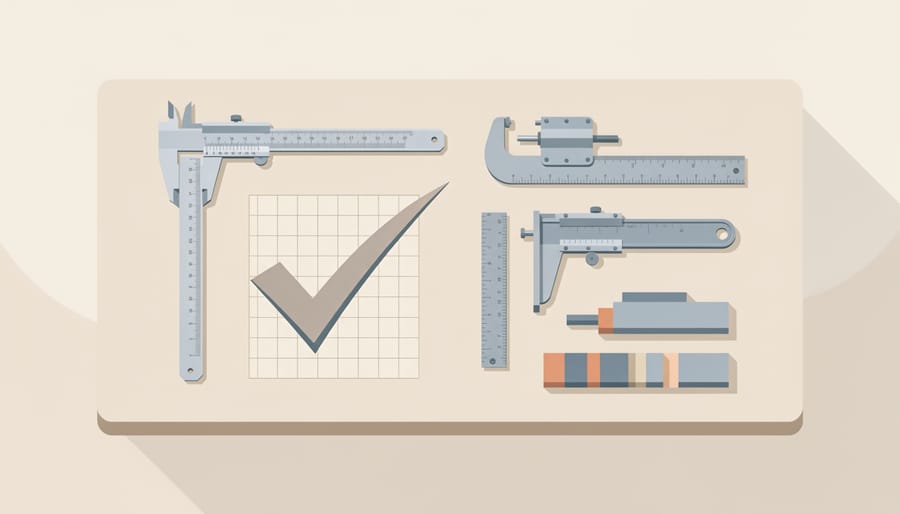
Start with the End in Mind
You already know backward design, you just might not call it that. Every time you’ve thought “what do I want students to walk away with?” before planning your lesson, you’ve started with the end in mind. Quality engineering education simply makes this process more deliberate and powerful.
Here’s the shift: instead of beginning with “what activity sounds fun?” or “what content should I cover?”, you start by defining exactly what students should be able to do by the end. Not just “understand fractions”, but “compare two fractions with different denominators and explain which is larger using visual models.” That specificity changes everything.
Once you’ve nailed down the outcome, you work backward. What would prove students can actually do this? Then, what learning experiences would build that capability? This creates a tight alignment between objectives and assessments that eliminates wasted effort.
The beauty? When you design an interactive review game or digital activity this way, you’re not just hoping it helps, you’ve engineered it to target a specific outcome. You can customize questions, adjust difficulty, and measure progress against what actually matters. That’s quality engineering at work, and it starts before you ever open your laptop.
Build in Checkpoints, Not Just Tests
Tests tell you what students learned after the fact, but checkpoints along the way prevent them from practicing mistakes for weeks. Quality engineering education builds in frequent, low-stakes moments where students show their thinking, and you can spot gaps before they harden into misconceptions. Research consistently shows that feedback improves student outcomes when students get it while they’re still learning, not after the unit ends.
This is where review games shine. A quick game mid-lesson reveals which concepts clicked and which need reteaching, without the pressure of a grade. When half the class misses questions about force diagrams, you know to revisit that tomorrow instead of discovering the gap on the test. These checkpoints create a feedback loop: students learn, you check understanding, you adjust, they learn more. It’s engineering quality into the process itself, not hoping quality appears at the end.
Customize and Adapt Based on What You See
The best learning experiences aren’t one-size-fits-all, they’re built to flex. Quality engineering means designing activities that let you pivot when students struggle or zoom ahead when they’re ready. Think of it like having adjustable scaffolding built right in.
When you create review games or interactive activities, build in different difficulty levels from the start. Notice half your class breezing through? Switch to the challenge version. See confused faces? Drop back to foundational questions without missing a beat. The key is making these adjustments feel seamless, not like you’re scrambling.
Smart customization also means watching for patterns. If six students keep missing the same concept, that’s your cue to reteach it differently, maybe with visuals instead of text, or a hands-on activity instead of another explanation. Quality engineering gives you the flexibility to respond to what students actually need, not just march through your original plan.
Putting Quality Engineering Into Practice with Interactive Tools
You don’t need to overhaul your entire curriculum to put quality engineering into practice. Start with one review activity or lesson, apply these principles intentionally, and watch what happens when design meets purpose.
The most effective approach follows a clear engineering process that transforms any classroom activity into a quality learning experience:
- Define your specific learning objective, not “review Chapter 3” but “students will identify the three main causes of X and explain why each matters.”
- Choose an interactive format that matches that objective, a matching game for connections, a quiz for recall, a scenario-based challenge for application.
- Customize the content to bridge knowledge gaps you’ve observed, if students confuse two concepts, design questions that highlight the difference.
- Build in immediate feedback so students see what they got right and why, not just a score.
- Run the activity and watch where students struggle, pause, or light up with understanding.
- Adjust based on what you saw, maybe you need to clarify a question, add an example, or change the difficulty level.
This cycle turns a simple review into engineered learning. The beauty is you’re probably already doing parts of this intuitively. Quality engineering just makes it systematic.
Interactive tools excel here because they handle the heavy lifting of customization and feedback. Instead of creating flashcards from scratch, use a template that lets you input your specific content and adjust difficulty. Instead of generic worksheets, try games that actually teach by revealing exactly which concepts need reinforcement.
The key is intentional design. Before adding any digital tool, ask: “What learning outcome am I engineering here?” If the answer is just “it’s more fun than a worksheet,” that’s not enough. But if it’s “students will get immediate feedback on their understanding of photosynthesis and I’ll see which step they’re missing,” now you’re engineering quality.
Start small. Take your next review session and engineer it: clear objective, customized content, built-in feedback, and one adjustment based on student response. You’ll spot the difference immediately, and so will your students.
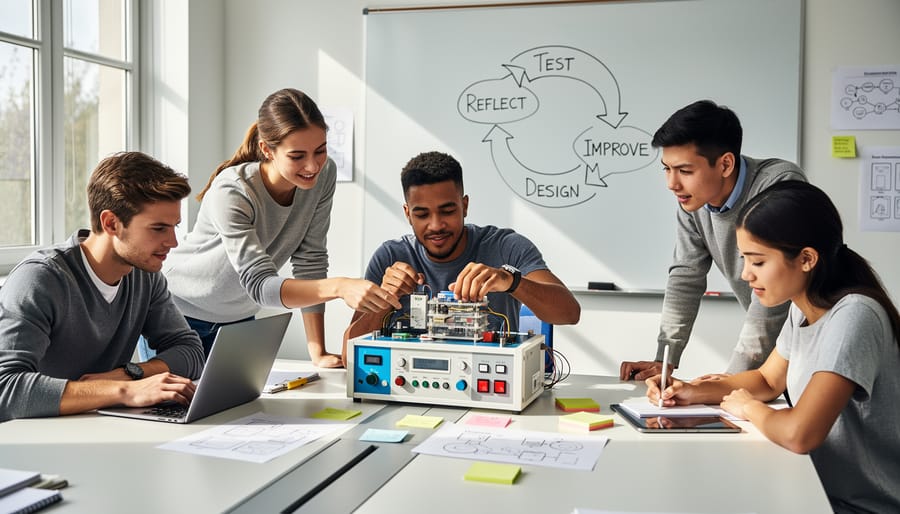
How to Know If Your Learning Experience Is Actually Working
You know that moment when you’re explaining something and you can just *tell* it’s clicking? That feeling is data, and it’s way more useful than complicated spreadsheets.
The easiest way to check if your learning experience works is to watch your students during the activity. Are they leaning in or zoning out? Do they jump into the activity without a ton of hand-holding? Real engagement shows up in body language, excitement, and the questions students ask. If you’re constantly redirecting attention or repeating instructions, your design might need adjustment.
But engagement alone isn’t enough. The real test comes when students need to use what they learned. Try this simple check: a few days after your lesson, toss in a quick review question or create a short game that requires applying the concept. Can they do it without re-teaching? If yes, you’ve built something that sticks.
Pay attention to who’s participating. Quality learning experiences bring more students into the fold, not just your usual hand-raisers. If the same three kids dominate while others drift, that’s a sign your activity needs better scaffolding or more entry points for different learners.
The most telling measure happens when students actually ask to do the activity again or suggest ways to make it better. That combination of enthusiasm and critical thinking means you’ve created something genuinely valuable.
You don’t need fancy analytics. Just notice: Are students engaged? Can they apply it later? Are more voices joining in? Those three questions tell you everything you need to know about quality.
Common Quality Pitfalls (And How to Avoid Them)
Even the best-intentioned educators fall into the same traps when trying to improve learning experiences with technology. Let’s look at the most common mistakes and how to sidestep them.
The biggest pitfall? Letting the tool drive the learning instead of the learning objectives driving the tool. When you discover a flashy new app or game feature, it’s tempting to build a lesson around it. But that’s backward. Always start with what students need to learn, then choose tools that support those goals. Making better technology choices means asking “Does this help my students master the concept?” before “Isn’t this cool?”
Another common mistake is creating one-size-fits-all experiences. Quality engineering requires customization, yet many teachers use the same game settings, questions, and pace for every student. Build in options. Let advanced learners tackle harder questions while struggling students get scaffolded support. Your interactive tools should flex, not force everyone down the same path.
Finally, teachers often skip the reflection step. They run the activity, see that students enjoyed it, and move on without checking if learning actually happened. Quality demands you close the loop. After using any tool or strategy, take five minutes to ask: What worked? What didn’t? What will I adjust next time? Without this habit, you’re repeating the same mistakes instead of engineering better experiences. Small tweaks based on real observations create massive improvements over time.
Quality engineering education isn’t about transforming your entire teaching practice overnight or mastering complex technical systems. It’s about bringing intentional design to the learning experiences you’re already creating. When you start with clear outcomes, build in feedback loops, and customize based on what your students actually need, you’re engineering quality into every lesson.
The beauty of this approach is that it scales. Begin with one interactive review game that you’ve thoughtfully designed around specific learning objectives. Watch how students respond. Adjust based on what you discover. That single well-engineered activity will teach you more than a dozen random tech tools ever could.
Remember, your classroom doesn’t need more stuff, it needs better-designed experiences that genuinely work for your students. Quality engineering education gives you a framework to create those experiences with confidence. You already know your students and your content. Now you have the principles to bring them together more effectively.
Start small. Design intentionally. Measure what matters. Keep improving. That’s quality engineering in action, and your students will feel the difference immediately.