How Games Can Help Students Remember Information Longer
Academic pressure is a harsh reality that students live with in the modern world. The Conversation shares some alarming numbers in this context. According to a survey, chronic absenteeism is an urgent problem across schools in the US. Nearly 21% of students are chronically absent from school, which means that they miss 10% or more days of the school year. Eventually, this puts their learning at serious risk.
Beyond the absenteeism issue, many students often forget information after traditional lessons. This happens because listening and rereading do not always require them to actively use what they have learned. When new ideas remain disconnected from practice, emotion, or meaningful experiences, they can quickly fade from memory.
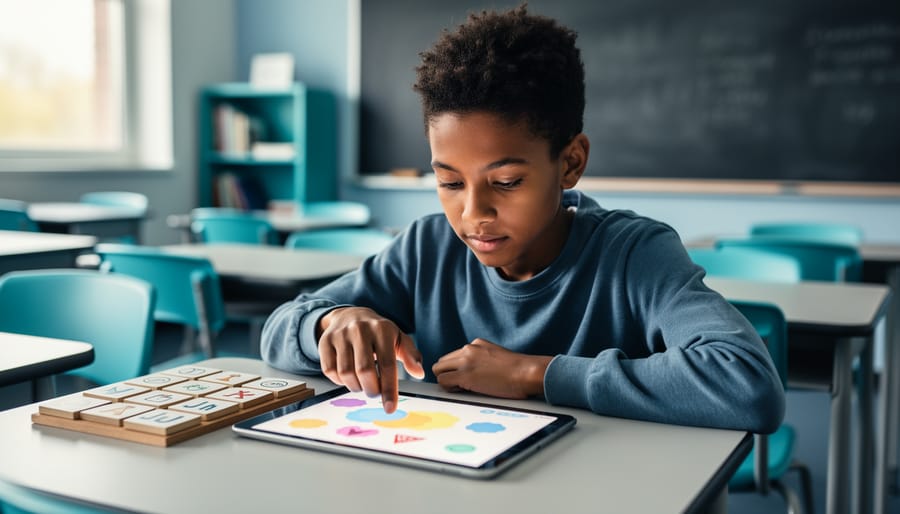
Game-based learning offers a more active alternative where students answer questions, solve problems, make decisions, and receive feedback. Well-designed educational games can actually improve learning outcomes compared to traditional methods. In this article, we will explain how games can help students build stronger and longer-lasting memories.
Games Encourage Active Recall
A 2024 ScienceDirect study discusses the effectiveness of different active recall-based learning strategies for improving self-efficacy and academic performance in higher education students. It highlights that active recall strategies reflect potential in technology-associated interventions and gamified learning experiences.
Active recall means retrieving information from memory instead of simply looking at it again. This process is central to many educational games. For example, a student playing a science quiz must remember the function of a cell organelle. Likewise, a learner completing a vocabulary challenge must retrieve a word’s meaning before moving forward.
Each attempt gives students practice bringing information to mind. This effort can make recall easier at a later stage because learners strengthen the pathways connected with that knowledge. Games also reveal what students know and what they still need to review. Teachers can use question-and-answer competitions, digital quizzes, classroom bingo, team trivia, or “escape room” activities to promote active recall.
Repetition Feels Less Like Studying
Remembering information usually requires more than one exposure. Stan Goldberg, Ph.D., states that repetition is the neurological secret sauce. After multiple repetitions, a sequence, like tightening a screw, may become “ automatic.” This means it requires minimal effort to recall. However, students may resist traditional repetition because copying notes or rereading chapters can feel dull.
Games, on the other hand, make repeated practice more appealing by placing familiar content inside rounds, levels, challenges, or friendly competitions. A mathematics game might present the same multiplication concepts through timed questions, matching cards, and problem-solving rounds. Even as the format changes, the core knowledge appears several times. Students practice without feeling that they are completing the same worksheet repeatedly.
Games are also useful when they support spaced review. Instead of cramming before a test, students can revisit key ideas in short sessions across several days or weeks. Spaced practice gives the brain repeated opportunities to retrieve information after some forgetting occurs. Digital learning games divide material into smaller sections and encourage regular review through short activities.
Problem-Solving Helps Students Apply Knowledge
Memorizing a fact is different from understanding how to use it. Educational games require students to apply information in unfamiliar situations, which encourages deeper learning. Instead of memorizing a definition, learners need to interpret evidence, compare options, predict outcomes, or choose the best solution.
For example, puzzles ask students to use mathematical reasoning. Simulations place them in the role of an environmental scientist, business manager, or engineer. Mystery games require them to examine clues and use reading, science, or history knowledge to reach a conclusion. Team challenges combine communication, decision-making, and subject-specific concepts.
Educational leaders have an important role when it comes to implementing gaming as a learning tool. They can encourage teachers to use interactive strategies, provide access to suitable resources, and protect time for planning. Many educationists pursue credentials like doctoral degrees to gain expertise required for strategic leadership and policy analysis. The online EdD in Higher Education is an effective pathway for working professionals.
Saint Leo University explains that the degree equips them to apply practical research strategies to improve student outcomes. Since they know what the system needs, they can create an environment where teachers can test, evaluate, and refine game-based activities. Leadership support is particularly valuable because successful game-based learning requires thoughtful alignment with curriculum.
Immediate Feedback Reinforces Learning
Feedback is another important reason games can support memory. With traditional learning, students appear for tests and wait for results to get feedback. However, in many games, they instantly learn whether an answer, choice, or strategy is correct. This immediate response helps them connect their action with its result.
Suppose a student selects the wrong answer in a grammar game. The program identifies the error and explains the correct rule right away. The student can then try a similar question while the idea is still fresh. Teachers can also strengthen this benefit by discussing answers after a game.
Students should learn not only whether they were right or wrong, but also why. Correct responses become reinforced, while mistakes become useful learning opportunities. Repeated cycles of answering, receiving feedback, and trying again can gradually improve their accuracy and confidence.
Games Connect Learning With Emotions and Experiences
Information is often easier to remember when it is attached to a meaningful experience. Games create such experiences through curiosity, surprise, achievement, humor, challenge, and collaboration. A student may forget a list of scientific terms but remember the mystery game in which those terms helped the class identify an unknown organism.
Positive emotions can encourage students to pay attention and remain involved. According to a UNICEF and LEGO Group study, digital games, when designed well, can help children experience a sense of control, freedom of choice, and feelings of achievement. They also feel connected to others, imagine different possibilities, and act on original ideas. These experiences are important for children’s well-being and development.
Reaching a new level, earning recognition, or helping a team solve a problem can make learning feel purposeful. Even a small sense of excitement may encourage students to focus more closely on the information being presented. Games also provide memory cues. Students may recall a concept because they associate it with a particular character, puzzle, sound, question, or classroom moment.
FAQs
Do educational games really improve memory?
Yes, well-designed games can support retention by combining active recall, repetition, feedback, emotion, and application. They work best when connected to clear learning objectives rather than used only for entertainment.
What type of games help students remember information?
Useful options include quiz games, puzzles, flashcard challenges, simulations, matching activities, mystery games, escape rooms, and collaborative review challenges. The best choice depends on the subject and learning goal.
How often should teachers use games?
Teachers can use short review games regularly, such as weekly or at the end of lessons. Games should complement explanation, reading, discussion, practice, and assessment rather than replace instruction.
Key Takeaways
Learning & Education Insight | Data/Key Finding |
Students chronically absent in U.S. schools | Nearly 21% |
Chronic absenteeism threshold | Missing 10% or more of the school year |
Active recall research | 2024 study on active recall and gamified learning |
Digital games and child development | Can support choice, achievement, connection, and creativity when well designed |
Best use of educational games | Reinforce recall, repetition, feedback, and application |
Games can help students remember information longer because they turn learning into an active process. Students retrieve answers, encounter important ideas repeatedly, receive immediate feedback, and connect knowledge with emotions and memorable experiences. With encouragement and resources from educational leaders, game-based learning can become a practical part of instruction.