Turn Classroom Conflict Into Connection with These Interactive Teaching Resources
Finding the right teaching resources for conflict resolution can transform your classroom from a space where tensions simmer into one where students actively learn to solve problems together. You need materials that work right away, without spending hours adapting them to fit your grade level or classroom dynamics.
Game-based teaching resources have become powerful tools for conflict resolution in 2026 because they create safe spaces where students can practice difficult conversations without real-world consequences. When kids role-play scenarios through structured activities, they develop empathy and communication skills naturally. The interactive format reduces the anxiety that often comes with discussing emotions and disagreements.
The good news? Quality conflict resolution resources exist across every price point, from completely free downloadable worksheets to comprehensive paid curriculum packages. What matters most isn’t how much you spend but how well you customize materials to match your students’ specific needs and developmental stages.
This guide walks you through the teaching resources available right now for conflict resolution education. You’ll discover where to find the best materials, both free and premium, and learn exactly how to adapt them for your unique classroom situation. We’ll show you which game-based approaches work best for teaching these sensitive social-emotional skills and why interactive learning beats traditional lecture methods every time.
Whether you teach kindergarten or high school, you’ll leave with concrete resources you can implement tomorrow. Let’s explore what’s out there and get your students resolving conflicts like pros.
Why Game-Based Resources Work for Conflict Resolution
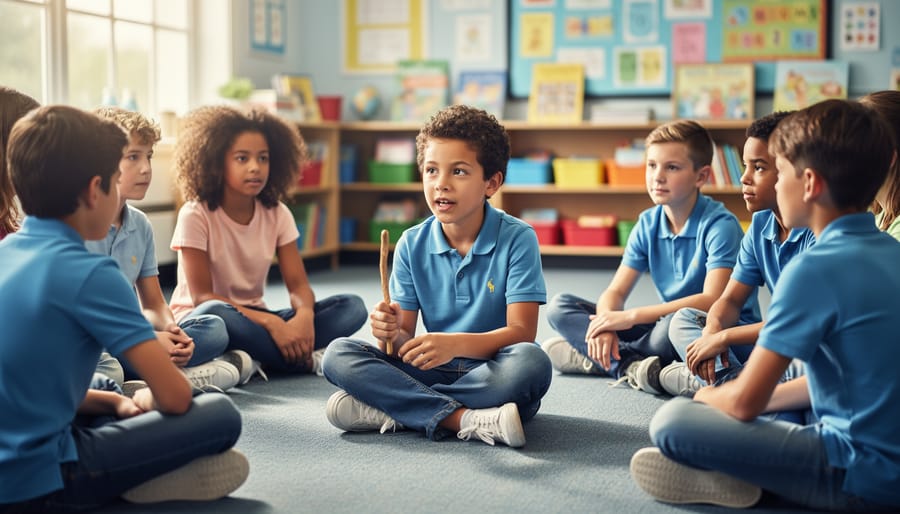
When students are in the middle of a conflict, emotions run high and rational conversation often feels impossible. That’s where game-based teaching resources create something remarkable: they give kids permission to practice the hard stuff without the emotional weight of a real dispute hanging over them.
Games naturally lower the stakes. When you frame conflict resolution as a challenge to solve together or a scenario to work through in teams, students engage their problem-solving brain instead of their fight-or-flight response. They’re not defending themselves anymore. They’re playing, which means they’re open to trying new approaches they’d normally resist.
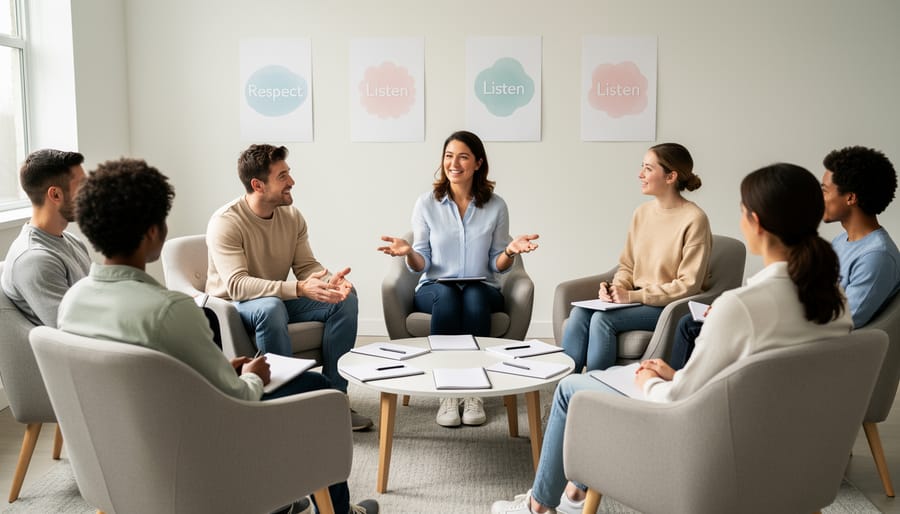
The psychology here is solid. Play creates what researchers call a “safe container” for exploring difficult social situations. Students can experiment with different communication strategies, test out empathy responses, and even mess up without real-world consequences. A student who’d never apologize during an actual argument might practice doing it fifteen times while working through game scenarios with classmates.
Interactive templates and movement games also tap into how kids actually learn social skills. Rather than sitting through another lecture about using “I statements,” they’re physically acting out scenarios, making choices in timed challenges, or working in small groups to solve presented conflicts. The muscle memory sticks. Research shows that serious games improve emotion regulation and social competencies better than traditional instruction alone.
Game-based resources also meet kids where they are developmentally. Elementary students grasp abstract concepts like compromise more easily when they’re rolling dice to determine conflict outcomes. Middle schoolers who’d roll their eyes at a feelings worksheet will fully commit to a competitive team challenge about de-escalation strategies.
Most importantly, games give you repeated practice opportunities. Conflict resolution isn’t a one-and-done lesson. It’s a skill set that requires dozens of repetitions before it becomes natural. Customizable templates let you return to the same game format throughout the year with fresh scenarios, building competency through fun familiarity rather than tedious repetition.
Types of Teaching Resources Perfect for Conflict Resolution
PowerPoint Game Templates for Scenario Practice
PowerPoint game templates transform conflict resolution practice into something students actually want to participate in. A customizable Jeopardy-style template lets you input real scenarios your class faces, like arguing over supplies, excluding classmates, or disagreeing during group work, then students compete in teams to choose the best resolution strategy. The scoreboard tracks points while sound effects celebrate correct answers, turning what could be awkward role-play into engaging competition.
The beauty of these templates lies in their flexibility. You can adjust difficulty levels by grade, swap scenarios as new conflicts emerge, and reuse the same template throughout the year with fresh content. One week you might focus on “I statements” for elementary students; the next, you’re running a high school debate on compromise versus standing firm. Templates with multiple rounds let you build complexity, starting with identifying emotions in a conflict, then moving to choosing appropriate responses, and finally evaluating outcomes.
Team-based formats encourage collaboration while practicing the very skills conflict resolution requires, listening to different perspectives, negotiating answers, and reaching consensus under friendly pressure.
Task Cards and Printables for Independent Learning
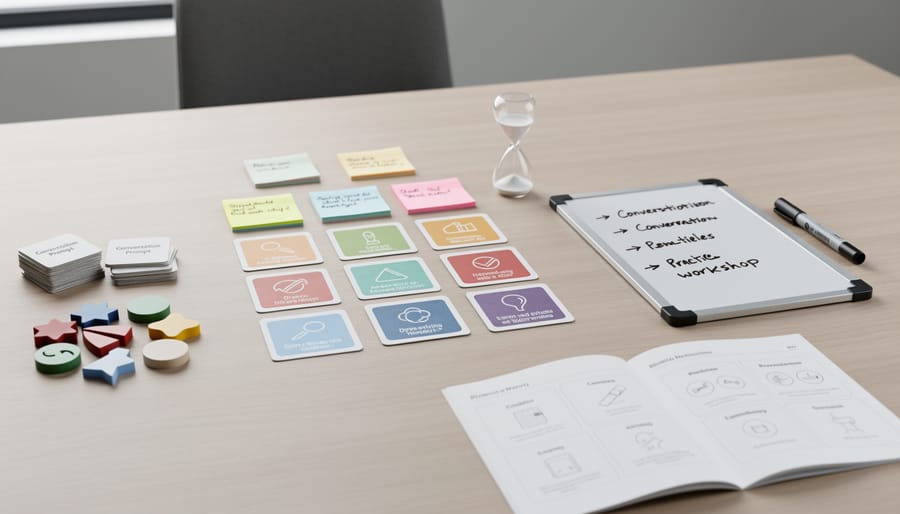
Task cards and printables shine when students need quiet processing time after a conflict or want to build skills before tensions arise. These resources let learners work at their own pace, which matters because not every student processes emotions on the same timeline. A task card might present a conflict scenario and ask the student to identify the feelings involved, suggest three possible solutions, or write what they would say to start a conversation. Printables work beautifully for journaling prompts that encourage self-reflection: “Describe a time you felt misunderstood” or “What does fair compromise look like to you?” The beauty of these formats is their flexibility. You can use them as morning work, choice board options, or dedicated SEL station activities. They’re also easy to differentiate by reading level or complexity, and many come as downloadable PDFs you can print once and laminate for repeated use. Students who struggle with public speaking or group dynamics often shine with these independent tools, building confidence privately before applying skills in real interactions.
Movement and Interactive Games for Kinesthetic Learners
Some students learn best when they’re up and moving, and conflict resolution is no exception. Movement-based games tap into kinesthetic learning while reducing the tension that can make conflict discussions feel heavy or awkward. When students are physically engaged, they’re less likely to shut down emotionally.
Four Corners is a classic starter: post different conflict resolution strategies in each corner of the room (compromise, apologize, ask for help, take a break). Present a scenario and have students move to the corner representing the strategy they’d choose. This gets them out of their seats while practicing decision-making without putting anyone on the spot.
Role-play relay races work brilliantly for older elementary and middle school. Teams move through stations where they act out scenarios: one student plays the person upset, another practices active listening and paraphrasing. The movement between stations keeps energy high while the structure ensures everyone gets practice time.
Mirror exercises teach body language and empathy through movement. Partners face each other and take turns mirroring emotions and postures, then discuss how physical stance affects conflict conversations. It’s simple, requires zero materials, and the physical component makes abstract concepts like “defensive posture” instantly concrete.
Don’t overlook scavenger hunts using task cards placed around the room. Students move from station to station, collecting conflict resolution prompts they’ll use in small-group discussions. The movement breaks up sitting time while building a toolkit of strategies they can reference later.
Where to Find Quality Conflict Resolution Teaching Resources in 2026
Finding the right conflict resolution materials doesn’t have to mean hours of searching through generic resources that don’t fit your classroom. In 2026, several platforms have emerged as go-to sources for educators who need practical, ready-to-use teaching resources.
Teachers Pay Teachers remains the largest marketplace for educator-created materials, with thousands of conflict resolution resources ranging from free downloads to premium template bundles. You’ll find everything from scenario cards to full game-based units, all created by fellow teachers who understand real classroom challenges. The search filters let you narrow by grade level, price, and file format, making it easy to find exactly what you need.
Teach Starter Publishing offers both free and premium teaching resources in formats including printable PDFs, Google Slides, and Microsoft PowerPoint files. Their collection spans templates, games, task cards, and interactive activities designed for instant classroom use. The platform’s strength lies in professionally designed materials that work straight out of the download, though you can still customize PowerPoint and Google Slides templates to match your specific classroom conflicts.
For completely free options, Games for Change Learn provides curriculum and lesson plans focused on social-emotional learning through game-based approaches. These resources are particularly valuable when you’re building out your conflict resolution toolkit on a tight budget.
Your own school district’s curriculum platform might surprise you with its conflict resolution offerings. Many districts have negotiated licenses with resource providers, giving you access to premium materials at no personal cost. Check with your instructional coach or curriculum director about what’s already available to you.
Don’t overlook subject-specific resource sites you already use. Many platforms offering exit ticket PDFs and review game templates have expanded into social-emotional learning materials, letting you find everything in one familiar place.
The key is starting with one trusted platform that offers instant downloads and customizable file formats. Build your resource library gradually, saving and organizing materials that work well with your students. Most platforms let you download immediately after purchase, so you can prep a conflict resolution activity during planning period and use it that same afternoon.
How to Customize Resources for Your Classroom’s Unique Conflicts
The most powerful teaching resources aren’t the ones that arrive perfect out of the box. They’re the ones you can reshape to match the actual conflicts happening in your classroom. Generic scenarios about sharing crayons won’t resonate with eighth graders navigating social media drama, just as high school examples fall flat with second graders learning to take turns. The good news? Modern teaching resources come loaded with customization features that let you tailor every detail to your students’ reality.
Start by spending a week observing and documenting the conflicts that actually occur in your space. Are students struggling with group work dynamics? Arguing over game rules during recess? Dealing with exclusion and cliques? Your conflict patterns will guide which templates to prioritize and how to modify them. A classroom plagued by interrupting needs different scenarios than one where students give each other the silent treatment.
Once you know your target conflicts, here’s how to personalize any template:
- Identify your three most frequent conflict types by observing student interactions for one week and noting patterns in disputes, arguments, or tension points.
- Select templates that match these conflicts, looking for PowerPoint games, task cards, or printables with editable text fields and customizable scenarios.
- Replace generic conflict examples with specific situations your students face, using their actual language and real classroom locations to increase recognition and engagement.
- Add vocabulary and phrases your students actually use, including age-appropriate slang and terminology relevant to your grade level and school culture.
- Test the customized resource with a small group of three to five students, watching for confusion, disengagement, or moments when scenarios don’t ring true.
- Refine based on student feedback, adjusting difficulty levels, adding missing context, or swapping scenarios that didn’t land for ones students suggested.
When working with editable PowerPoint templates, you can change character names to reflect your classroom diversity, adjust point values to match your existing reward system, and swap out stock photos for images that mirror your students’ experiences. Consider creating culturally responsive games by incorporating cultural contexts and backgrounds relevant to your student population.
Don’t overlook the power of student input in customization. Let older students help write new scenario cards based on conflicts they witness. This collaboration increases buy-in and ensures your resources stay current with evolving classroom dynamics. Save multiple versions of each template for different grade levels or class periods, and keep notes about which modifications worked best. Your customized resources become more valuable each year as you refine them based on real classroom results.
Ready-to-Use Activities That Build Resolution Skills
Conflict Resolution Jeopardy transforms the classic game show format into an engaging way to build active listening skills. Students answer scenario-based questions about playground disputes, group project disagreements, or classroom conflicts, earning points for identifying effective communication strategies. The competitive element keeps energy high while the team discussion format encourages students to articulate why certain responses work better than others. You can customize the template with conflicts specific to your classroom dynamics, making each round feel relevant and personal.
The Empathy Perspective Swap works brilliantly as a conflict resolution game that builds understanding. Students receive task cards describing a conflict from one person’s viewpoint, then must write or discuss the situation from the other person’s perspective. The visual template helps them track different emotional responses and motivations. This activity directly addresses the “I never thought about it that way” moment that transforms how students approach disagreements.
Compromise Quest uses a PowerPoint game template where students navigate scenarios requiring give-and-take solutions. Each slide presents a conflict where neither party can get everything they want, like two students wanting to use the same art supplies or deciding on a group project topic. Students brainstorm fair solutions, then vote on which compromise best serves everyone. The scoreboard tracks which solutions earn “win-win” status, reinforcing that successful conflict resolution means both parties feel heard.
Calm Down Challenge teaches emotional regulation through timed activities. Students practice breathing techniques, count-to-ten strategies, and self-talk scripts using interactive slides with built-in timers. The de-escalation game format helps students recognize physical signs of anger or frustration before they escalate. Role-playing cards let them practice using these techniques during simulated heated moments, creating muscle memory for real conflicts.
Each activity downloads as an editable file, letting you adjust scenarios, difficulty levels, and content to match your students’ needs. Start with one game format that addresses your classroom’s biggest challenge, whether that’s listening, empathy, finding middle ground, or staying calm. The immediate engagement you’ll see proves that practicing conflict resolution doesn’t require lengthy lessons or awkward conversations.
Making the Most of Your Teaching Resource Investment
You don’t need a massive budget to build an effective conflict resolution toolkit. The real value comes from strategic organization and thoughtful reuse. Start by creating a simple digital folder system organized by skill (empathy-building, active listening, compromise strategies) rather than by resource type. This lets you quickly grab everything related to a specific conflict resolution competency when a teachable moment arises.
Think cross-curricular from day one. That PowerPoint template you’re using for conflict scenarios in social studies? Adapt it for literary character disputes in English or team collaboration challenges in science. Most customizable templates let you swap content while keeping the game mechanics intact, multiplying your investment. Keep a game design document tracking which templates work best with specific age groups and conflict types, so you’re not reinventing the wheel each semester.
Before downloading, check the fine print. Most teaching resource platforms offer classroom licenses that let you use materials with multiple classes but restrict sharing the editable files with colleagues. If you find a winner, direct teammates to the original source rather than forwarding your customized version. For file formats, PowerPoint (.pptx) and Google Slides files are nearly interchangeable through simple uploads, while PDF printables work universally but can’t be edited without additional software.
Build once, use forever. When you customize a template for your classroom’s specific conflicts, save multiple versions: a blank master template, your current year’s version, and successful past iterations. Next year, you’ll thank yourself when you can pull a proven resource and make minor tweaks instead of starting from scratch.
Can I share downloaded resources with my teaching team?
Most platforms allow use across your own classes but restrict sharing editable files with colleagues. Direct teammates to download from the original source instead.
Will PowerPoint templates work in Google Slides?
Yes, you can upload .pptx files directly to Google Slides with minimal formatting changes. Fonts and some animations may need minor adjustments.
How do I organize resources so I can actually find them later?
Create folders by conflict resolution skill rather than resource type. Label clearly with grade level and topic so you can locate materials quickly when conflicts arise.
The free resources flooding educator platforms in 2026 are genuinely useful, but premium options often include time-saving features like pre-made answer keys, editable scoreboard graphics, and sound effect files. Start with free versions to test what resonates with your students, then invest in premium templates for your most-used activities.
Teaching conflict resolution doesn’t have to feel overwhelming. With the right interactive resources in your toolkit, you can transform tense moments into teachable ones without needing a graduate degree in psychology. The game-based templates and printable materials available in 2026 do the heavy lifting for you, giving students engaging ways to practice skills they’ll use for life.
Start small. Pick one customizable PowerPoint template or set of task cards that matches your biggest classroom challenge right now. Use it, see what works, then build from there. You don’t need a complete conflict resolution curriculum on day one. Your resource library will grow naturally as you discover what resonates with your students.
Here’s the beautiful part: every time students work through a scenario game or reflect on a printable prompt, you’re shifting your classroom culture. Conflicts stop being disruptions and start being opportunities. Students learn that disagreements are normal, manageable, and even valuable for building understanding. That’s not just conflict resolution, that’s creating a community where every student feels equipped to navigate challenges with confidence and empathy.