Why “Puzzles” Is Such a Tricky Crossword Clue (And How to Crack It Every Time)
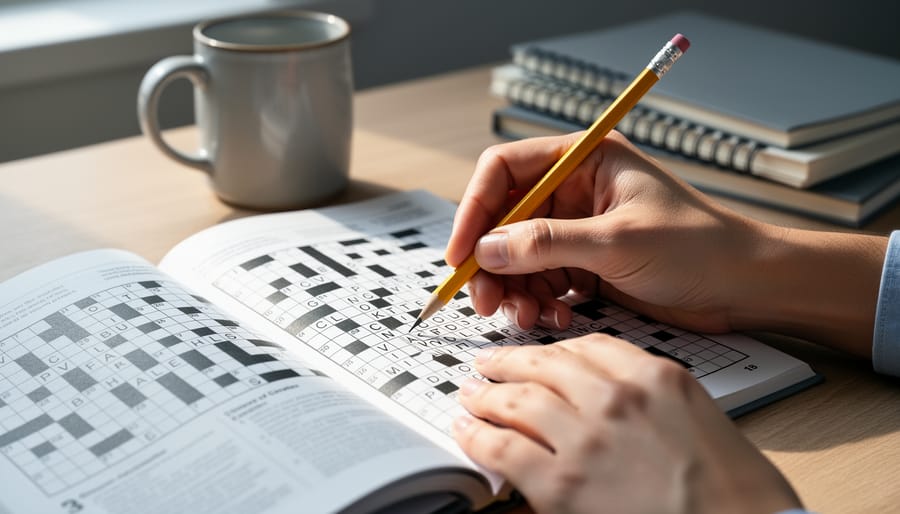
Stuck on the crossword clue “puzzles”? The answer depends on the letter count, but the usual suspects are ENIGMAS, STUMPS, BAFFLES, and TEASERS. That mix of nouns and verbs is exactly why this clue trips up so many solvers. “Puzzles” can name the games themselves or describe what they do to your brain, so the right fit hinges on how the crossing letters line up.
Below, you’ll find a quick answer table, a plain-English look at how the clue works as both a noun and a verb, and some simple tricks for cracking ambiguous clues faster.
Teachers, this one’s for you too. Clue-solving builds vocabulary, flexible thinking, and a healthy dose of persistence, which is a big reason many educators use games in schools. We’ll finish with ways to turn crossword-style thinking into customizable classroom activities your students will actually ask to play again.
What Does the Clue “Puzzles” Really Mean?
Noun or Verb? Reading the Clue Like a Detective
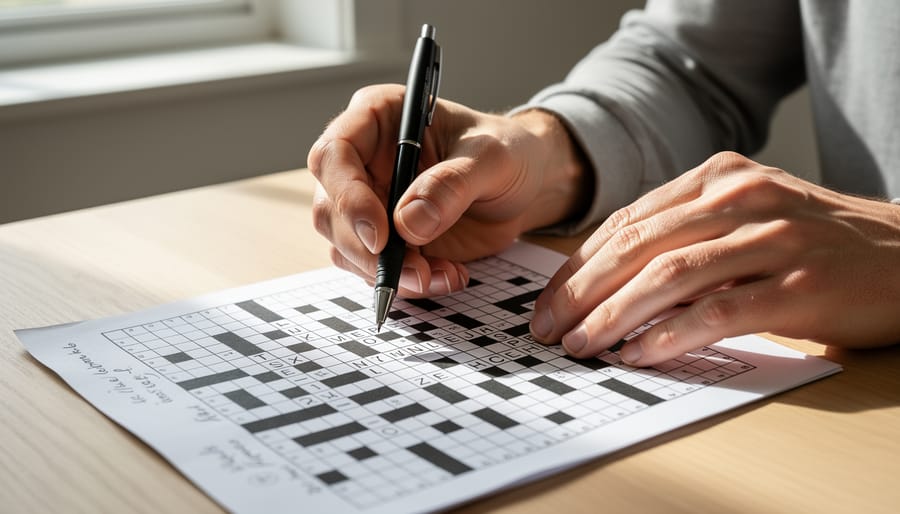
Think of yourself as a detective for a moment. The clue “puzzles” is your only witness, and it can tell two very different stories.
In the first story, “puzzles” is a noun. It names things you solve, so answers like RIDDLES, ENIGMAS, POSERS, or TEASERS all fit. In the second story, “puzzles” is a verb. Now it describes what something does to your brain, so you’re hunting for STUMPS, BAFFLES, or PERPLEXES.
So how do you decide which story to believe? Start with the number of squares. Count them before you write a single letter. Six squares? STUMPS fits perfectly, and so does RIDDLE with its S missing, which tells you it’s not a match. Seven squares opens the door to ENIGMAS or BAFFLES. The length alone often knocks out half your suspects.
Next, check the crossing letters. If a down answer gives you a Z in the third spot, you can toss out STUMPS and consider something like MAZES or QUIZZES instead. Each crossing letter is a fingerprint, and it either matches your suspect or clears them.
Here’s a handy trick for students: say the clue in a sentence. “This riddle puzzles me” uses the verb. “I love word puzzles” uses the noun. Trying both out loud often makes the right path click.
Word Puzzle Game Analysis: Why This Clue Trips Us Up
Plural Clues and the “S” Trick
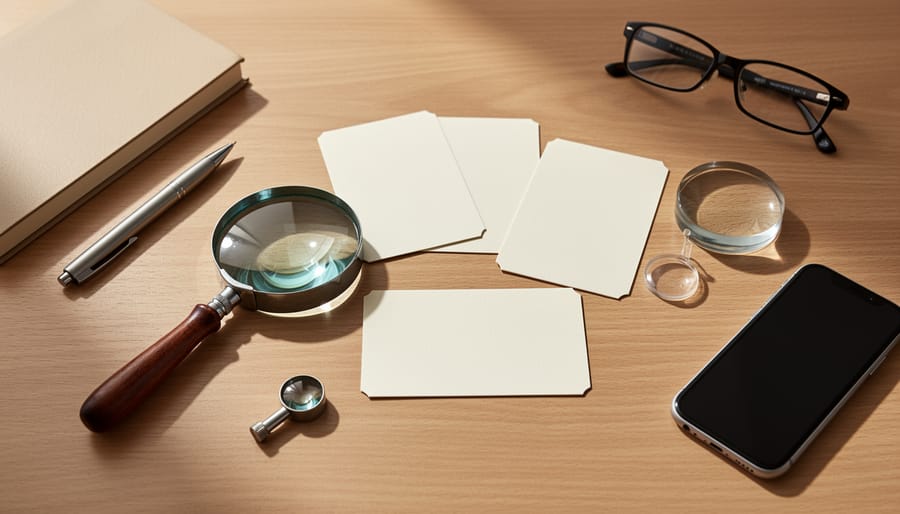
When a clue is plural, like “puzzles,” the answer is usually plural too. That gives you a sweet little head start: the last square in your answer is very often an S. Pencil it in lightly and you’ve already got one letter working for you.
Here’s why it’s so handy. That S square also belongs to a crossing word, so you’ll start to see which down answer might fit. If the crossing word needs to end in S, you’re golden. If it clearly doesn’t, that’s a sign your answer might be a verb like “stumps” or “baffles,” which end in S for a different reason.
A quick caution: not every plural clue behaves. Some answers end in -ES, or in a word that’s naturally plural without an S, such as “geese.” Treat the S as a strong hunch, not a rule. Stay flexible, keep your pencil light, and let the crossing letters have the final say.
Simple Strategies to Solve Clues Like “Puzzles”
Vague one-word clues can feel like a brick wall at first, but the good news is that a few simple habits make them so much easier. Here’s a step-by-step approach you can share with your students (or use yourself the next time a clue has you stumped):
- Count the letters. The number of squares narrows your options right away. Five squares might fit “riddles,” while a longer answer could be “perplexes.”
- Check the tense. Does the clue end in “s” like “puzzles”? That could mean a plural noun or a verb like “stumps” or “baffles.” Matching the form to the grid keeps you on track.
- Look for crossing letters. Even one or two letters from words you’ve already solved can rule out whole groups of guesses.
- Try different synonyms. Brainstorm out loud or on scrap paper. Think of both meanings, things you solve and things that confuse you.
- Test your guess. Pencil it in lightly and see if the crossing words still work. If something looks off, erase it and try the next idea.
Above all, be patient. It’s totally fine to skip a clue and come back later, because new crossing letters often make the answer pop right out. Remind students that getting stuck is a normal part of the process, not a sign they’re doing it wrong.
You can also build these skills through other word games that stretch vocabulary and flexible thinking. The more kids practice weighing different meanings of one little word, the quicker they get at spotting the right fit.
Try turning it into a team challenge, too. Let students share their guesses, explain their reasoning, and cheer each other on when someone cracks the clue. A little friendly collaboration makes tricky clues feel less like a struggle and more like a fun mystery to solve together.
Turn a Tricky Clue into a Classroom Game

Make It Your Own
The best part about a vague clue like “puzzles” is how easily you can bend it to fit your classroom. Swap in words from your current unit, and suddenly the clue is doing double duty as review. Studying ecosystems? Try “food chain link” or “forest dwellers.” Working on fractions? Hint at “parts of a whole” and let students hunt for the answer.
Think about your crew, too. Younger kids love silly, picture-friendly hints, while older students enjoy sneaky wordplay and double meanings. If your class loves jokes, toss a pun or two into the mix. If they’re competitive, let teams race to crack each clue first.
Small tweaks like these are what make learning word games feel fresh instead of recycled. And when the clues sound like they were written just for your students, it’s much easier to increase engagement without any extra effort.
Quick Answers to Common Crossword Clue Questions
What’s the most common answer to the clue “puzzles”?
It depends on the grid, but short answers like “stumps,” “baffles,” or “riddles” show up often. Check the answer length first, then let the crossing letters do the rest.
Why do some clues feel impossible?
Short, broad clues have lots of possible meanings. The fewer words the clue gives you, the more you rely on the crossing letters. That’s normal, so don’t let it discourage you!
Should I start with the vague clues?
Nope. Fill in the clues you know first, then come back. Every crossing letter you add narrows down the options.
Does a plural clue always mean the answer ends in S?
Usually, yes. It’s a handy hint, but not a guarantee, so pencil it in lightly.
Can students really use crosswords for learning?
Absolutely! Crosswords build vocabulary, spelling, and critical thinking, and they work for any subject. Try asking students to brainstorm several possible answers to one clue before they check the grid.
What if my class is a mix of skill levels?
Pair students up so they can share ideas, or give out clues with the first letter already filled in. Everyone gets to take part, and nobody feels left behind.
How long should a crossword activity run?
Ten to fifteen minutes is plenty for a warm-up or review. Short and snappy keeps the energy up.
So the next time a clue like “puzzles” stops you in your tracks, remember it isn’t a roadblock. It’s an invitation. One little word can mean a dozen things, and figuring out which one fits is where the fun lives. You look at the letter count, test a few meanings, lean on the crossing words, and suddenly the whole thing clicks. That “aha!” moment is exactly what we want our students to feel, too.
Bring that spirit of play into your classroom. Let your students brainstorm, debate, and cheer each other on as they hunt for the best answer. Customize your review games to fit your unit, your grade level, and your class’s quirky personality, and watch even the toughest vocabulary practice turn into something they actually look forward to.
You’ve got this, and so do they. Now go make learning feel like a game worth playing!