What Are Learning Word Games (and How Do They Work in the Classroom)?
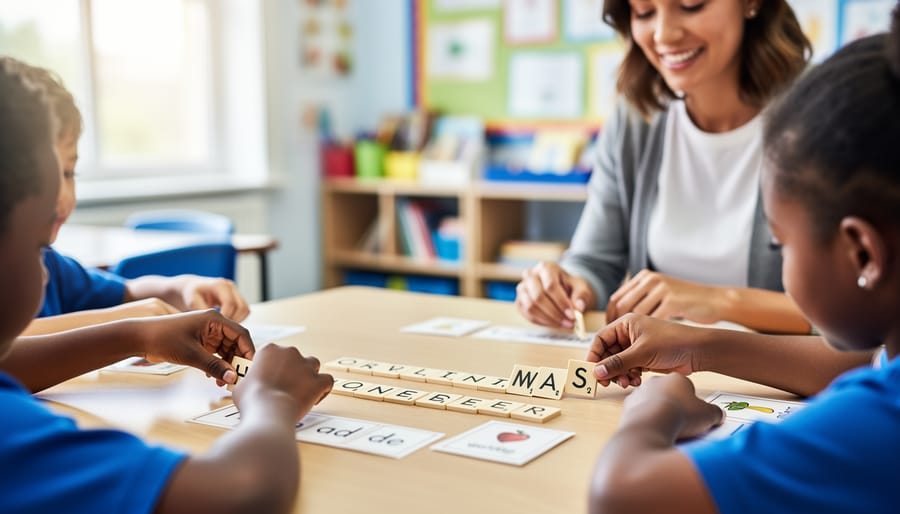
Learning word games are interactive activities that use letters, vocabulary, spelling, and language patterns to engage students while building literacy skills. They turn language practice into play, helping kids master reading, writing, and critical thinking without the grind of traditional drills.
These games matter because they tap into something powerful: students learn better when they’re having fun. Research on why games help in education shows that playful competition and problem-solving boost retention and engagement across all age groups. When a third-grader races to unscramble words or a middle schooler hunts for vocabulary in a puzzle, they’re practicing the same skills they’d work on in a worksheet, but with energy and motivation you can actually see.
This guide breaks down what learning word games are, how they function as teaching tools, and how to put them to work in your classroom. You’ll get a clear look at the main types, from digital platforms to paper-based classics, along with practical tips for matching games to your grade level and lesson goals. Whether you’re looking to reinforce spelling lists, expand vocabulary, or just add a spark to your literacy block, you’ll walk away with strategies you can use tomorrow.
What Learning Word Games Mean for Your Classroom
Learning word games are interactive activities that use gameplay mechanics, like matching, sorting, building, or solving puzzles, to help students practice and master language skills in an engaging way. Instead of passively filling out worksheets or memorizing isolated word lists, students actively work with words through challenges, competition, and discovery. These games turn vocabulary practice, spelling drills, and reading comprehension into experiences that feel more like play than work, which keeps students motivated and focused.
The core purpose is simple: make language learning stick by making it fun. When students enjoy what they’re doing, they practice more willingly, retain information better, and develop positive associations with reading and writing. Word games create opportunities for repeated exposure to new vocabulary, spelling patterns, and word meanings without the monotony that often comes with traditional drills.
Here are some key concepts that define how learning word games function in educational settings:
- Vocabulary Reinforcement
- The repeated use of target words in game contexts, helping students internalize meanings and recall words more readily in speaking and writing.
- Phonemic Awareness
- Activities that highlight individual sounds within words, supporting early reading skills and spelling development through sound-symbol connections.
- Word Recognition
- Practice that builds students’ ability to quickly identify and understand words by sight, improving reading fluency and comprehension speed.
- Spelling Practice
- Engaging formats that reinforce correct letter sequences and patterns, making spelling rules easier to remember through active application rather than rote memorization.
Unlike worksheets that students complete once and set aside, word games encourage multiple rounds of practice. A crossword puzzle might require students to think about definitions, letter patterns, and vocabulary simultaneously. A team-based spelling game creates social learning opportunities where students help each other and learn from mistakes in real time. The game structure itself provides immediate feedback, students know right away if their answer works, which accelerates learning and builds confidence.
How Learning Word Games Work in Practice
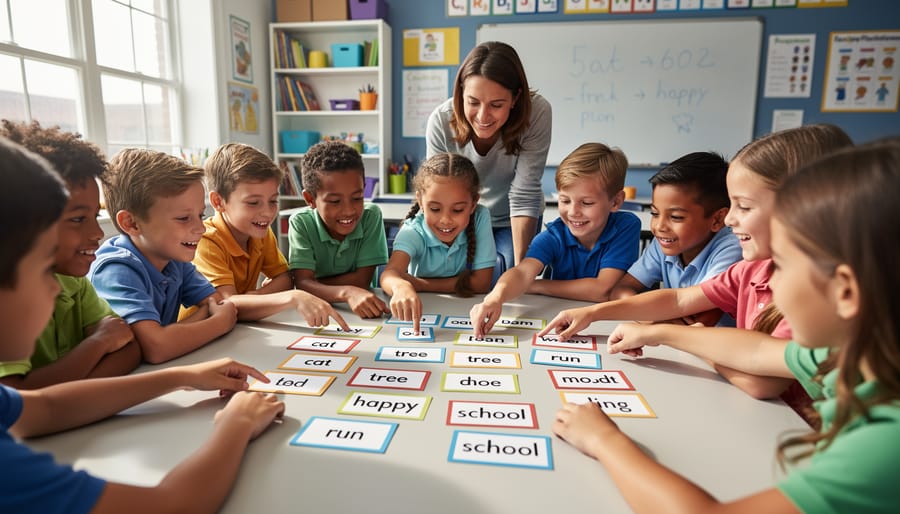
Learning word games follow a simple but powerful pattern in the classroom. The teacher introduces a word challenge, maybe spelling words hidden in a grid, unscrambling vocabulary terms, or matching definitions to new science words. Students then work individually, in pairs, or in small teams to solve the puzzle or complete the challenge within a set time frame, typically anywhere from five minutes for a quick warm-up to twenty minutes for a more involved activity.
The magic happens in what students do during gameplay. Instead of passively copying words or memorizing lists, they actively manipulate letters, think about word meanings, spot patterns, and apply what they’ve learned. A student hunting for “photosynthesis” in a word search has to recognize the correct spelling. A team unscrambling vocabulary words discusses which letters fit where and debates meanings. This active engagement creates multiple touchpoints with each word, visual recognition, mental processing, and often verbal discussion, which strengthens retention far better than traditional repetition.
Teachers facilitate by setting clear rules, managing time, and circulating to support struggling students or extend challenges for quick finishers. The gameplay creates natural differentiation: students work at their own pace within the structure, and you can adjust difficulty on the fly by offering hints, allowing collaboration, or adding bonus challenges. The learning outcome emerges from the process itself, students encounter words repeatedly in varied contexts, building familiarity and confidence through play rather than drill. When the timer ends, a quick review reinforces what they discovered, cementing the learning before you move on.
Types of Learning Word Games for Different Learning Goals
Spelling and Phonics Games
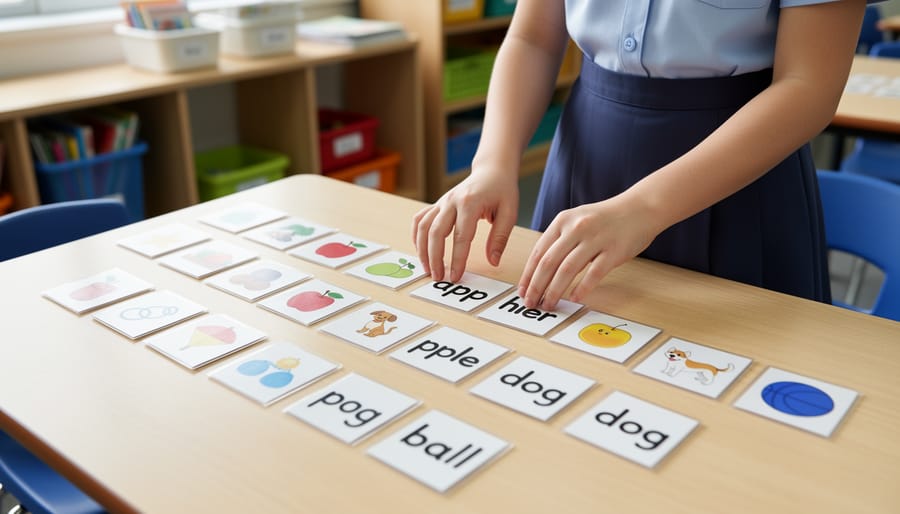
Spelling and phonics games zero in on the building blocks of reading and writing, helping students connect sounds to letters and master correct spelling patterns. These games typically involve hands-on word construction, like building words from letter tiles or magnetic letters, which makes abstract phonics rules tangible and memorable. Sound-matching challenges might ask students to sort words by vowel sounds or rhyme patterns, reinforcing phonemic awareness through play. 5-letter word games work particularly well for practicing common spelling patterns and consonant blends. Many spelling games use a reveal-and-check format where students attempt a word, then see the correct spelling immediately, which helps cement the right patterns through quick feedback rather than letting mistakes linger. The competitive element keeps students motivated to practice sounds and spellings they might otherwise find tedious.
Vocabulary and Definition Games
Vocabulary and definition games turn word learning into an active discovery process rather than passive memorization. Students might play matching games where they pair words with their definitions, compete in word association challenges that connect related terms, or tackle synonym and antonym activities that deepen their understanding of word relationships. Context clue games present new vocabulary within sentences or short passages, teaching students to figure out meanings from surrounding words, a critical reading skill. These activities work especially well when you customize them with words from current reading units or subject-specific vocabulary lists. The competitive element keeps students engaged while they build connections between words and meanings that stick far longer than definitions copied from a dictionary.
Word Puzzle and Pattern Games
Word puzzle and pattern games turn learning into detective work. These activities challenge students to manipulate letters, spot patterns, and decode relationships between words, all while building vocabulary and spelling skills through hands-on problem-solving.
Crossword puzzles are classroom favorites because they require students to think about word meanings and letter placement simultaneously. Students must consider both the definition clue and how their answer fits with crossing words, reinforcing spelling patterns naturally.
Anagram games ask students to rearrange letters to form new words, strengthening their understanding of letter combinations and word structure. These work beautifully for practicing word families or exploring how changing letter order creates entirely different meanings.
Word searches might seem simple, but they train students to recognize spelling patterns quickly and improve visual scanning skills. They’re perfect warm-up activities or vocabulary reinforcement after introducing new terms.
Pattern recognition games, like finding rhyming words, identifying prefixes and suffixes, or sorting words by syllable count, help students see the building blocks of language. These games develop analytical thinking while making phonics and morphology concepts concrete and approachable.
Using Learning Word Games Across Subjects and Grade Levels
Word games aren’t just for language arts class, they work across your entire curriculum and adapt beautifully to any grade level you teach.
In language arts, word games naturally support reading comprehension and writing skills. Use vocabulary matching games before introducing a new novel, or turn spelling practice into a team challenge that students actually look forward to. Word puzzles help older students explore etymology and word relationships, while younger learners benefit from phonics games that make sound patterns click.
Science classes come alive when you transform terminology into gameplay. Create custom word searches with unit vocabulary (photosynthesis, mitochondria, ecosystem) to help students familiarize themselves with complex terms before diving into detailed explanations. Crossword puzzles reinforce the definitions students need to master, and matching games connect scientific processes to their descriptions. Students remember “endothermic reaction” much better after competing in a word-building race than after copying definitions from the board.
Social studies vocabulary, terms like monarchy, amendment, or longitude, sticks when students encounter them through games rather than flashcards alone. Use word games as warm-up activities to review previous lessons, or deploy them as engaging alternatives to traditional quizzes that still show you what students retained.
Grade-level adaptation is simpler than you might think. Primary students thrive with picture-word matching and basic spelling games using three to five letter words. Upper elementary learners handle more complex vocabulary, longer words, and games requiring strategic thinking. Middle and high school students engage with subject-specific terminology, multi-meaning words, and games that incorporate critical thinking alongside vocabulary knowledge.
Word games shine during those tricky classroom moments: the ten minutes before dismissal, the day after a test when energy is low, indoor recess, or as station activities during centers. They work as ice-breakers at the year’s start, review tools before assessments, and celebration activities after completing challenging units. Keep a few ready-to-play games in your back pocket for substitute teacher days or unexpected schedule changes, they’re lifesavers that keep learning happening even when plans shift.
Making Word Games Work in Your Classroom
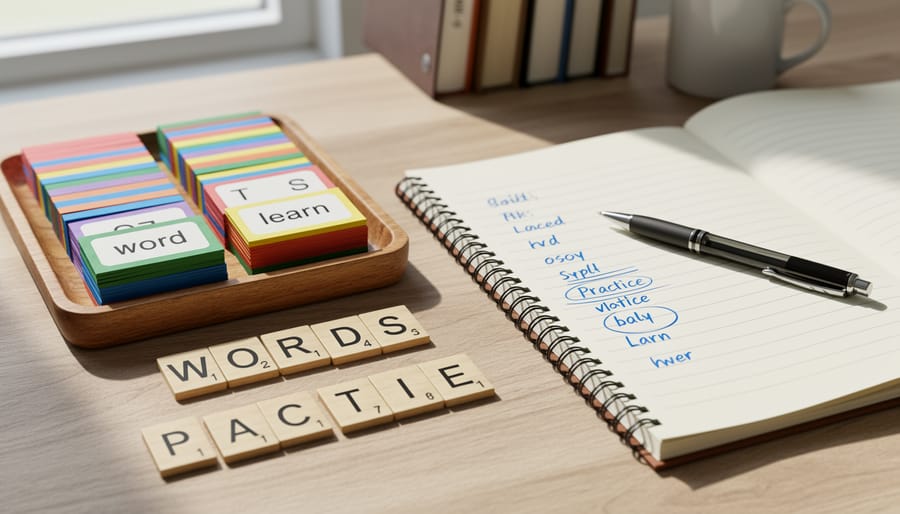
The real power of learning word games emerges when you tailor them to your unique classroom. Start by adjusting difficulty on the fly, if students breeze through a spelling challenge, add time pressure or require longer words. If they’re struggling, allow hints, simplify word lists, or let partners collaborate before independent work.
Customize game content to match what you’re actually teaching. Building a vocabulary game? Load it with terms from your current science unit or the novel you’re reading together. Creating a spelling challenge? Focus on the phonics pattern from this week’s lesson. This targeted approach reinforces your curriculum instead of introducing random words.
Team formation matters more than you might expect. Mix ability levels to create peer teaching opportunities, or group similar skill levels when you want focused practice at the right challenge point. For competitive games, rotate team members frequently so the same students don’t always win, this keeps motivation high across your whole class.
Track progress without drowning in paperwork. Keep a simple class chart noting which games students master and which concepts need more practice. Many teachers snap quick photos of game boards or completed activities, creating a visual portfolio that shows growth over time. You might also designate student “game captains” who help set up, explain rules, and report back on how their groups performed, building leadership skills while lightening your load.
The key is experimentation. Try one game, notice what works, then tweak and try again.
Common Questions About Learning Word Games
How often should I use learning word games in my classroom?
Most teachers find that incorporating word games 2-3 times per week strikes the right balance between engagement and curriculum coverage. You can use them as warm-up activities, mid-lesson breaks, or end-of-week review sessions without disrupting your regular instruction.
Do word games work for English Language Learners?
Yes, word games are especially effective for ELL students because they provide repetition and context in a low-pressure environment. Pair ELL students with native speakers, use visual supports alongside the games, and choose activities that emphasize meaning and usage rather than just spelling.
How do I assess learning from word games?
Track student progress through quick observation notes during gameplay, collect completed game sheets or screenshots, and follow up with brief quizzes or writing assignments using the target vocabulary. The real assessment happens when students successfully use the words in their regular work.
What should I do when students finish at different times?
Have extension activities ready like challenge words, bonus rounds, or a different game variation. Fast finishers can also become peer helpers, create their own word lists for future games, or work on crossword puzzles that reinforce the same concepts.
Remember that word games complement your existing instruction rather than replace direct teaching and practice. They work best when you choose games that align with your current learning objectives and adjust the difficulty to match your students’ levels. If a game isn’t working for your class, it’s perfectly fine to modify the rules, change the format, or try something different. The key is finding what engages your specific students while reinforcing the skills they need. Many teachers discover that mixing up game formats keeps interest high, alternating between word searches, matching activities, and interactive word challenges prevents any single format from becoming stale.
Learning word games bring energy, engagement, and real results to your classroom without adding complexity to your day. They fit naturally into lesson plans you’re already teaching, whether you need a quick warm-up, a review activity, or a full lesson centered on word skills. The best part? You can customize them to match your students’ needs, your curriculum goals, and the time you have available.
Start small if you’re new to word games, try one format with one vocabulary list and see how your students respond. You’ll likely find they’re more focused, more willing to practice, and genuinely enjoying the learning process. These games work because they turn repetition into play and make word work feel less like a chore and more like a challenge worth tackling. Your classroom can be a place where learning words is something students look forward to, and that shift in attitude makes all the difference in how much they retain and how confidently they use new language.