What Are the Benefits of Educational Games (and How Do They Work)?
Educational games are digital or physical activities that combine structured learning objectives with game mechanics like points, levels, challenges, and rewards to make learning more engaging and effective.
If you’ve ever watched a classroom transform when students move from worksheets to games, you already know there’s something powerful happening. But between budget meetings, lesson planning, and skeptical colleagues, you need more than gut feeling. You need clear evidence that games aren’t just fun, they actually deliver measurable learning outcomes that justify the time and resources.
The good news? Research consistently shows that well-designed educational games boost retention, increase motivation, and help students practice skills in low-stakes environments where mistakes become learning opportunities rather than failures. Whether you’re teaching multiplication facts, historical analysis, or scientific reasoning, games create the kind of active, repeated practice that solidifies understanding far better than passive review.
This article breaks down exactly what educational games do for your students and why they work. You’ll discover the cognitive mechanisms that make games effective learning tools, explore specific benefits across different skill areas, and see how various game formats fit into your existing curriculum. By the end, you’ll have concrete talking points for administrators, practical implementation strategies, and the confidence to choose games that support your teaching goals rather than distract from them.
The question isn’t whether games belong in classrooms. It’s which games will help your students learn best, and how to use them effectively.
What Educational Games Bring to Your Classroom
Educational games are structured activities that combine clear learning goals with game elements like points, competition, or challenges to help students practice and master academic content. Think of them as purposeful play, every action students take during the game connects directly to your curriculum objectives, whether that’s mastering multiplication facts, reviewing vocabulary, or understanding scientific concepts.
What sets educational games apart from traditional teaching is the element of choice and immediate feedback. Instead of passively receiving information through lectures or worksheets, students actively participate in their learning. They make decisions, see instant results, and adjust their strategies, all while staying motivated by the game’s structure. This active involvement creates deeper connections to the material than memorization alone.
- Game-Based Learning
- An instructional approach that uses complete games as the primary teaching tool, where the game mechanics directly support learning objectives.
- Gamification
- Adding game elements like points, badges, or leaderboards to traditional lessons to increase student motivation and engagement.
- Review Games
- Quick-play activities designed to reinforce previously taught content through interactive formats like quizzes, board games, or team challenges.
- Educational Game Techniques
- Specific strategies teachers use to design or adapt games for classroom use, including customizable templates and differentiation methods.
The effectiveness comes from meeting students where they are emotionally and cognitively. Games lower the stakes around making mistakes because wrong answers become learning opportunities rather than failures. This creates a safe space where students take risks, experiment with strategies, and genuinely engage with challenging material. The combination of low pressure and high engagement makes concepts stick in ways that traditional drills often can’t match.
When you bring educational games into your classroom, you’re not replacing solid instruction, you’re adding a powerful tool that transforms practice time into something students actually look forward to.
How Educational Games Work in Practice

Educational games transform abstract concepts into hands-on experiences by wrapping learning objectives inside interactive challenges. Instead of passively receiving information, students actively apply knowledge to solve problems, answer questions, or complete tasks within the game structure.
The learning cycle starts when teachers embed specific curriculum goals into the game format. A multiplication review game, for example, requires students to correctly solve problems to earn points or advance. The game mechanics themselves, scoring, timers, team competition, motivate students to engage deeply with the content. This structure turns practice into play without sacrificing academic rigor.
Immediate feedback is where games really shine. When a student selects an answer, the game responds instantly with correct/incorrect signals or point updates. This real-time response helps students self-correct and understand concepts faster than waiting days for graded worksheets. They see cause and effect right away, which reinforces learning and builds confidence.
Repetition happens naturally because games invite multiple rounds of play. Students willingly practice the same skills repeatedly to improve their score or help their team win, getting valuable reinforcement without the tedium of traditional drill exercises. The competitive or collaborative elements create social energy that keeps everyone engaged rather than checked out.
Classroom implementation becomes straightforward with customizable game templates. Teachers can create a Jeopardy game or design quiz game templates by simply adding their own questions and answers, no special tech skills required. These ready-made formats handle the game mechanics while teachers focus on the content that matches their lesson plans.
The beauty of this system is its flexibility. You can use the same game template for vocabulary review on Monday, math facts on Wednesday, and science concepts on Friday. Students stay excited because the familiar format feels fun, but the content keeps changing to match what they’re learning. This combination of structure and customization makes educational games practical teaching tools rather than one-time novelties.
Top Benefits Teachers See with Game-Based Learning
Skyrocketing Student Engagement and Participation
Games flip the script on who participates in your classroom. When you announce a review game, hands go up from students who normally hide behind their notebooks. That shy kid in the back row suddenly leans forward. Even your most reluctant learners find themselves drawn into the action because game-based learning removes the fear of being wrong in front of everyone.
The difference comes down to how games reframe participation. Instead of calling on individuals in a silent classroom, games create a buzz of activity where everyone contributes. Elementary students get excited about earning points for their team. Middle schoolers who roll their eyes at worksheets compete fiercely in vocabulary challenges. High school students who claim they don’t care suddenly strategize with teammates during science review games.
Research confirms what teachers observe: game-based lessons boost participation across diverse student populations. The energy becomes contagious. When one group celebrates a correct answer, others get motivated to catch up. You’ll notice previously disengaged students asking to play again, requesting homework practice that connects to the game, or showing up early on game days ready to participate.
Better Retention Through Active Learning
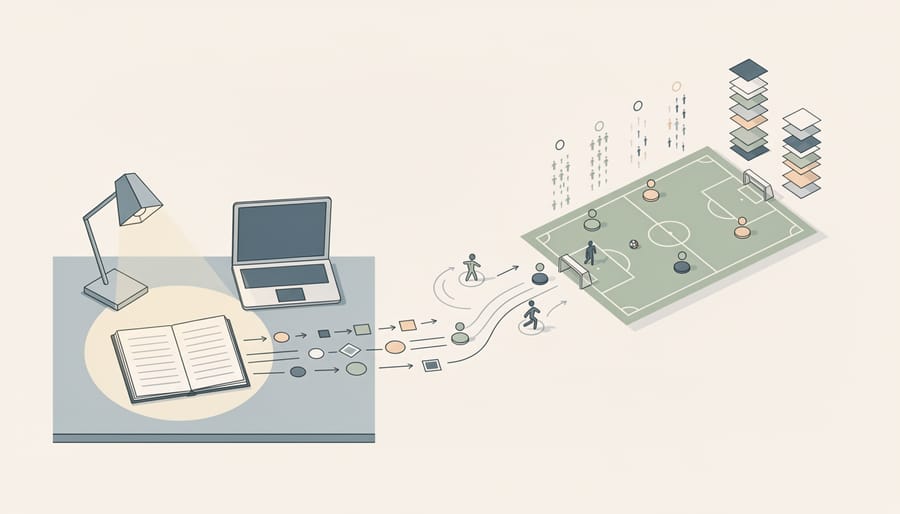
When students actively participate in games rather than passively listening to lectures, their brains form stronger neural pathways that make concepts stick. Research shows that active learning improves retention significantly compared to traditional instruction methods.
Games create what cognitive scientists call “retrieval practice”, students recall information repeatedly in varied contexts, which strengthens memory. A student reviewing multiplication facts through a competitive quiz game isn’t just hearing the answers; they’re pulling the information from memory under engaging conditions. This mental effort, combined with the emotional investment games create, helps cement learning in long-term memory.
The immediate feedback loop in educational games also reinforces correct understanding right when it matters most. When students see instant results, their brains connect actions with outcomes more effectively than waiting days for a graded test. This real-time correction prevents misconceptions from taking root and gives students multiple chances to encode information correctly.
The multisensory nature of game-based learning, combining visual elements, movement, discussion, and decision-making, activates different memory systems simultaneously, creating multiple retrieval pathways for future recall.
Built-In Formative Assessment Opportunities

Games give you a window into student thinking that traditional assessments rarely offer. While students play, you’re watching understanding unfold in real time, who answers quickly and confidently, who hesitates, and who consistently chooses the wrong path. This immediate feedback loop lets you spot misconceptions before they solidify and adjust your next lesson accordingly.
The beauty of games as assessment tools is their low-stakes nature. Students don’t experience the same anxiety they feel during tests because the activity feels fun rather than evaluative. They’re more willing to take risks, which reveals genuine understanding (or confusion) instead of careful, test-taking behavior. When a student gets an answer wrong in a game, they see it as part of the challenge, not a permanent mark on their record.
You can gather formative data effortlessly, no papers to grade, no formal test prep needed. Many digital game formats track responses automatically, showing you class-wide patterns and individual struggles at a glance. Even with low-tech games, you’re circulating and observing, catching teachable moments as they happen. This ongoing assessment naturally guides your instruction without adding extra prep work to your already full plate.
Fostering Collaboration and Healthy Competition
Educational games naturally transform your classroom into a space where students learn from and with each other. When you introduce team-based review activities, you’ll notice students who rarely speak up suddenly strategizing with classmates, explaining concepts to teammates, and celebrating shared victories. This collaborative environment builds communication skills, empathy, and the ability to work toward common goals while still mastering your curriculum content.
The competitive element, when structured positively, motivates students without creating winners and losers in a destructive way. Games let students compete against themselves, other teams, or the clock rather than putting individual students on the spot. You’ll see shy learners gaining confidence as they contribute to team success, and high achievers developing leadership skills by supporting struggling classmates. The social-emotional benefits extend beyond game time as students develop resilience, learn to handle both success and setbacks gracefully, and build classroom relationships that make your entire learning community stronger. These interpersonal skills complement the academic content perfectly, creating well-rounded learners who are engaged, supportive, and academically challenged.
Types of Educational Game Formats and When to Use Them
Teachers have dozens of game formats at their fingertips, each suited to different classroom moments and learning goals. The trick is matching the right format to your specific teaching situation.
Quiz-style games like Classroom Jeopardy and Family Feud work beautifully for review sessions before tests or unit endings. Students compete to answer questions, and the friendly pressure helps them recall information they’ve studied. These formats shine when you need to cover lots of ground quickly while keeping energy high. They’re ideal for reinforcing vocabulary, math facts, or content knowledge across any subject.
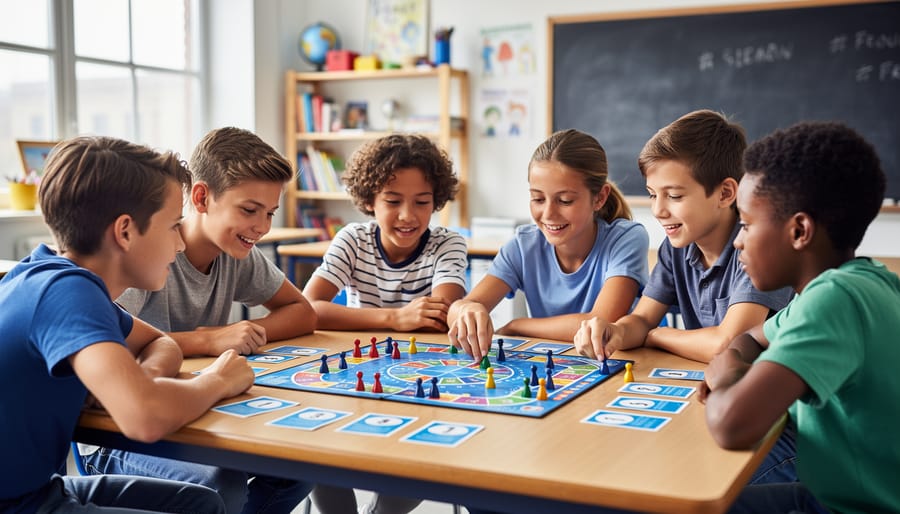
Board game templates bring a tactile, collaborative element to your classroom. Students move pieces, answer questions or complete challenges, and work toward a goal together. These work particularly well for practice sessions where students need repetition without boredom. The slower pace compared to quiz games makes board games perfect for complex problem-solving or multi-step processes where students need time to think and discuss.
Digital games on tablets or computers offer individualized pacing and instant feedback. Students can practice skills at their own level, and you get data on their performance. These shine during independent work time or learning centers, especially when you need differentiation without creating multiple paper versions.
PowerPoint-based review games give you maximum customization with minimal tech demands. You control the pace, can pause for discussion, and adapt on the fly based on student responses. They’re your go-to for whole-class instruction when you want game energy but need to maintain tight control over content delivery.
Popular formats you can customize include:
- Jeopardy-style games for comprehensive review across multiple topics
- Family Feud for brainstorming and recall activities
- Bingo for vocabulary practice or number recognition
- Matching games for connecting concepts, definitions, or pairs
- Scavenger hunts for active movement and problem-solving
- Quiz bowl formats for team competition and quick recall
The beauty of classroom review games is their flexibility. Start with a template that matches your immediate need, then customize the questions to fit your exact content. A single game format can work for introducing new material on Monday, practicing mid-week, and reviewing before Friday’s assessment.
Practical Ways to Use Educational Games Across Subjects
Educational games fit naturally into every subject area, giving you flexibility to reinforce learning across your entire curriculum. The key is matching game formats to your content and grade level.
In math, use games to practice computation, reinforce concepts like fractions or geometry, or review problem-solving strategies. Turn flashcard drills into competitive team challenges where speed and accuracy earn points. Create board game templates where students advance by solving increasingly complex problems, customizing difficulty to match your current unit.
Literacy instruction benefits from vocabulary games, spelling challenges, and reading comprehension reviews. Design bingo-style games using literary terms, sight words, or vocabulary from your current novel study. Grammar practice becomes engaging when students compete to identify parts of speech or correct sentence errors in game format.
Science concepts stick better through interactive review. Create quiz games covering everything from life cycles and habitats to chemical reactions and scientific method steps. E-learning games work particularly well for virtual labs or concept review before assessments.
Social studies games bring historical events, geography, and civics to life. Use timeline games where students sequence events, map games for geography practice, or trivia formats to review historical figures and important dates. Customizable templates let you align content directly to your state standards.
Even special subjects benefit from game-based learning. PE teachers can incorporate fitness knowledge games, art teachers can review artist techniques and periods, and music teachers can practice note reading and music theory through competitive formats.
The beauty of educational game templates is their adaptability. You can quickly customize a single template for different subjects, grade levels, and learning objectives, making integration into your existing lesson plans seamless rather than time-consuming.
Common Questions About Using Educational Games
Teachers often wonder how to make educational games work smoothly in their classrooms while still covering everything they need to teach. These practical questions come up again and again, so let’s tackle the most common concerns head-on.
Do educational games take too much class time?
Not when you plan strategically. Most game-based review activities take 10-15 minutes, fitting perfectly into lesson transitions or as warm-ups. You’re not adding extra time, you’re making your review time more effective.
How do I keep games from becoming chaotic?
Set clear expectations before you start: explain rules, model proper behavior, and establish a signal for getting attention back. Starting with quieter formats like individual whiteboards or partner activities helps build your classroom game culture.
Can games actually work for test prep?
Absolutely. Games reduce the anxiety that blocks learning during traditional test prep while providing the repetition students need. The low-stakes format helps students practice recalling information under time pressure without the stress.
How do I customize games for my specific content?
Editable templates make this surprisingly quick. You simply replace placeholder questions with your own content, adjust difficulty levels, and you’re ready to go, often in less time than creating a worksheet from scratch.
The differentiation question deserves special attention because every classroom has diverse learners. You can adapt games by varying question difficulty within teams, allowing different response methods (verbal, written, drawn), adjusting time limits, or creating role assignments that play to different strengths. Mixed-ability teams often work beautifully because students naturally support each other.
Measuring learning outcomes through games is simpler than you might think. Watch participation patterns to see who’s confident with material and who needs extra support. Many teachers snap quick photos of student responses during games or jot notes about misconceptions that surface. This real-time formative assessment often reveals more than a traditional quiz because students are focused on playing rather than worrying about being graded.
The curriculum alignment concern comes up frequently, but here’s the thing: you control the content. When you build games around your standards and learning objectives, they’re automatically aligned. Think of games as a delivery method for your existing curriculum, not something separate to squeeze in.
Educational games aren’t just a fun break from “real” teaching, they’re powerful tools that boost engagement, improve retention, strengthen collaboration, and give you instant insight into what your students understand. The benefits you’ve explored throughout this article translate into tangible classroom wins: students who participate more actively, concepts that stick longer, and a learning environment where everyone feels motivated to contribute.
The best part? You don’t need to be a game design expert or spend hours creating materials from scratch. Customizable game templates let you plug in your own content for any subject or grade level, turning review sessions into high-energy experiences that students actually look forward to. Whether you’re reinforcing multiplication facts, reviewing vocabulary, or assessing science concepts, the right game format adapts to your curriculum seamlessly.
Start small if you’re new to game-based learning. Try one quiz-style review game this week, notice how your students respond, and build from there. You’ll quickly discover that educational games aren’t an add-on competing for instructional time, they’re a natural extension of good teaching that makes your classroom more effective and enjoyable for everyone involved. Your students are ready to learn through play. Give them that opportunity.