How to Actually Prepare Your Students for the OAE English Language Arts 020 Test
Master the OAE English Language Arts 020 exam by focusing on three core preparation strategies that will serve you both during testing and in your future classroom. First, break down the exam’s five competencies into daily study chunks: reading processes and acquisition, literature and informational texts, writing processes and applications, communication and media literacy, plus assessment and instruction—dedicating 30-minute focused sessions to each area helps build confidence without overwhelming your schedule. Second, create practice questions using the actual testing format, then turn these into review games you can later use with your 3-5 grade students, which reinforces your understanding of English Language Arts concepts while building your teaching resource library simultaneously. Third, study Ohio’s Learning Standards for grades 3-5 alongside your exam prep materials since the test directly assesses your ability to apply these standards in real classroom scenarios—understanding how phonics instruction evolves into complex reading comprehension or how narrative writing develops across grade levels gives you practical context that makes test questions easier to decode.
The OAE 020 exam isn’t just a certification hurdle; it’s your blueprint for effective elementary ELA instruction. Each of the 120 selected-response questions reflects actual teaching decisions you’ll make daily, from selecting appropriate texts to designing differentiated literacy activities. Your preparation time doubles as professional development when you approach it strategically, transforming dry test content into engaging teaching methods you’ll actually use.
What the OAE English Language Arts 020 Really Tests
Let’s break down what you’re actually facing when you sit for the OAE English Language Arts 020 exam. Understanding the structure helps you prepare smarter, not harder!
This assessment focuses specifically on what you need to know to teach English Language Arts to students in grades 3–5. It’s designed around five main competencies that mirror real classroom teaching scenarios.
First up is Reading Literature and Informational Text, which makes up a significant portion of the exam. You’ll demonstrate your ability to analyze and interpret various texts, understand literary elements, and apply reading comprehension strategies that you’ll later teach your students.
Next, the Writing component evaluates your understanding of the writing process, different writing genres, and how to help young learners express their ideas clearly. You’ll need to know how to guide students through planning, drafting, revising, and editing their work.
The Speaking and Listening section assesses your knowledge of oral communication skills and collaborative discussion techniques. This is where you show you understand how to create engaging classroom conversations and presentations.
Language Foundations covers grammar, vocabulary development, and language conventions. You’ll need to demonstrate mastery of the mechanics that help students become effective communicators.
Finally, there’s Integration of Knowledge and Understanding, which ties everything together. This section tests your ability to differentiate instruction and connect literacy skills across different contexts.
The exam includes 100 multiple-choice questions, and you’ll have four hours to complete it. Each question is crafted to reflect practical teaching situations you’ll encounter in elementary classrooms.
Here’s the exciting part: as you prepare for this exam, you’re not just memorizing content. You’re building the foundation for creating dynamic, interactive learning experiences that will engage your future students. The skills you’re reviewing now will directly translate into the games, activities, and lessons you’ll develop once you’re in the classroom!
Why Traditional Study Methods Fall Short
Let’s be honest—preparing for the OAE English Language Arts 020 can feel overwhelming. You’re already juggling lesson plans, grading, and a million other teaching responsibilities. Now add studying for a comprehensive certification exam to the mix, and it’s no wonder many educators struggle with traditional preparation methods.
Here’s the thing: most study guides throw massive amounts of information at you all at once. You’re expected to memorize literary terms, understand complex reading theories, absorb grammar rules, and master instructional strategies—all while your brain is already running on teacher-mode autopilot. Information overload is real, and simply reading through hundreds of pages rarely sticks.
Then there’s the retention problem. Highlighting passages and re-reading content might feel productive, but passive studying doesn’t create the strong mental connections you need for long-term memory. You might understand a concept when you read it, but will you remember it weeks later during the actual exam? That’s where many educators find themselves frustrated.
But perhaps the biggest disconnect is this: the OAE 020 tests your ability to teach English language arts effectively, yet most study methods keep you stuck in passive learner mode. You’re not just memorizing facts—you’re preparing to inspire young readers and writers. Traditional flashcards and practice tests don’t bridge the gap between knowing content and actually applying it in a classroom setting.
The good news? There’s a better way to prepare. When you engage with material actively and make learning enjoyable, everything changes. Your brain retains information more effectively, and you’ll develop the confidence to not just pass the exam, but excel as an educator.
Turn Your Test Prep Into a Game

Create Practice Sessions That Stick
Getting ready for the OAE English Language Arts 020 doesn’t have to mean endless note cards and solo study sessions. PowerPoint game templates can transform your test prep into something way more engaging and effective!
Start by creating custom game slides focused on the specific content domains you need to master. Turn literary terminology into a fast-paced quiz game where you race against the clock to identify figurative language examples. Design slides that challenge you to match reading comprehension strategies with appropriate grade-level scenarios. You can even build games around pedagogical approaches for teaching writing across different genres.
The beauty of using PowerPoint templates is how easily you can customize them to target your weak spots. Struggling with assessment strategies? Create a category dedicated to formative versus summative evaluation methods. Need more practice with Ohio’s Learning Standards? Build question slides that connect teaching objectives to specific ELA benchmarks.
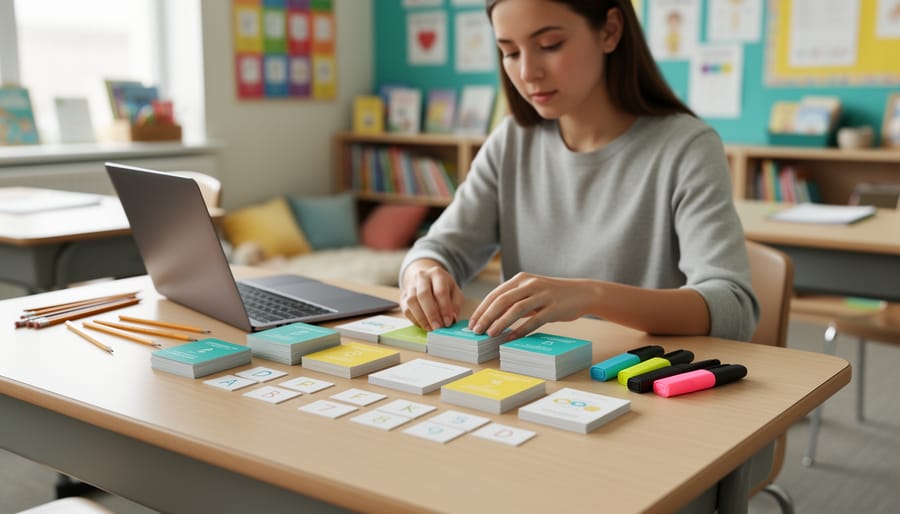
Study groups benefit tremendously from this approach too. Take turns being the game host, presenting questions while others compete to answer. The competitive element helps information stick better than passive reading ever could. Plus, you’re practicing the same interactive teaching techniques you’ll use in your future classroom.
Mix up your game formats to keep things fresh. Try Jeopardy-style boards one day, then switch to interactive quiz shows the next. The variety keeps your brain engaged and reinforces concepts from multiple angles. Before you know it, you’ll be mastering exam content while building a toolkit of activities you can adapt for your students later.
Practice Like You’ll Teach
Here’s the exciting part: preparing for the OAE English Language Arts 020 exam does double duty for your teaching career. When you use game-based review methods to study, you’re not just memorizing content—you’re actually experiencing how to make these concepts engaging for your future students.
Think about it. As you play through phonics patterns, grammar rules, and reading comprehension strategies in game format, you’re road-testing activities that translate directly into your third through fifth grade classroom. You’ll discover which explanations click, which examples resonate, and which approaches make tricky concepts fun rather than frustrating.
This hands-on approach through game-based ELA instruction helps you internalize teaching methods while reinforcing your own understanding. You’re building a mental toolkit of practical strategies, not just theoretical knowledge. When you encounter a challenging vocabulary concept during study time, you’re simultaneously figuring out how to break it down for an eight-year-old who’s struggling with the same idea.
The beauty of this dual preparation is efficiency. You’re studying for certification while developing your teaching repertoire. By test day, you’ll feel confident about the content and ready with proven strategies to make those standards come alive in your classroom. That’s preparing smart, not just hard.
Customize Games for Each Content Area
The beauty of game-based learning is how easily you can customize templates to target specific OAE 020 content areas. Think of each game as a blank canvas ready to reinforce exactly what you need to review!
For phonics practice, adapt matching games or flashcard activities to focus on letter-sound relationships, blending skills, or syllable patterns. Load up your game with words that highlight specific phonemic awareness concepts like consonant digraphs or vowel teams. Your study sessions become interactive rather than rote memorization!
Vocabulary development games work wonderfully with multiple-choice formats or definition-matching activities. Create sets that include context clues, word relationships, and academic language specific to grades 3-5. You can even build games around prefixes, suffixes, and root words to deepen understanding of word structure.
When reviewing reading comprehension strategies, design games that present short passages followed by questions about main idea, inference, author’s purpose, or text structure. This mirrors the exam format while keeping your prep engaging. Try using game templates that allow for passage analysis and evidence-based responses.
For writing instruction concepts, quiz-style games can cover grammar mechanics, sentence structure, organization strategies, and the writing process. Include questions about different text types, revision techniques, and how to support student writers at various developmental levels.
The key is matching your game format to your content needs. Mix and match different game types throughout your study plan to keep things fresh and address all competency areas effectively!
Smart Study Strategies for Busy Educators
Preparing for the OAE English Language Arts 020 exam while managing a classroom can feel overwhelming, but with the right strategies, you can make your study time both effective and enjoyable. The key is working smarter, not harder.
Start by connecting with fellow educators who are also preparing for the exam. Create a study group where you can share resources, quiz each other, and discuss challenging concepts. Meeting once a week, even virtually, provides accountability and makes studying less isolating. Plus, you’ll gain different perspectives on content areas like reading comprehension strategies or writing instruction that might strengthen your understanding.
Balance is everything when tackling the five content domains. Rather than cramming one area at a time, rotate through reading processes, literature and text, writing processes, language, and communication each week. This approach keeps your mind fresh and helps you retain information better. Dedicate your strongest focus time to areas where you feel less confident, but don’t neglect your strengths either.
Game-based review methods aren’t just for your students—they work wonderfully for adult learners too! Transform your study sessions by turning vocabulary lists into matching games or creating quick-fire quiz competitions with your study group. These interactive learning activities boost retention and make preparation feel less tedious. When you experience these tools firsthand, you’ll also discover new ways to use them in your future classroom.
Track your progress using a simple checklist or digital tracker. Break down each content domain into smaller topics and check them off as you master them. Celebrate small wins along the way—maybe treating yourself after completing a particularly challenging section. This visual progress is incredibly motivating when exam day feels far away.
Set realistic study goals that fit your schedule. Even 30 minutes of focused daily practice beats sporadic marathon sessions. Early mornings, lunch breaks, or Sunday afternoons—find your sweet spot and stick with it. Remember, you’re not just preparing for a test; you’re deepening knowledge that will make you a better educator for years to come.

From Test Prep to Classroom Success
Here’s the exciting part: those game templates you’re creating for your OAE 020 exam prep? They’re not just study tools—they’re classroom gold waiting to happen!
Think about it. Right now, you’re building review games around literary elements, comprehension strategies, and writing conventions. Once you pass that certification exam and step into your own classroom, those same games become ready-made teaching resources for your grades 3-5 students.
The beauty of this approach is the natural continuity it creates. You’re already learning what works by experiencing it firsthand during your test prep. When a Jeopardy-style game helps you remember the difference between simile and metaphor, you know it’ll help your future students grasp those concepts too.
Your study sessions become a testing ground for classroom strategies. That vocabulary matching game you made for Greek and Latin roots? Perfect for fourth graders. The reading comprehension quiz show you created? Just adjust the difficulty level, and it’s ready for your classroom.
This double-duty approach saves you countless hours down the road. Instead of starting from scratch when lesson planning, you’ll have a library of proven, effective games already built. You simply customize them for your students’ needs and grade levels.
Plus, you’ll teach these concepts with genuine confidence because you’ve already mastered them yourself. You’ll remember what made certain game formats click for you, which question styles were most helpful, and how interactive practice boosted your retention. That insider knowledge makes you a better, more effective teacher from day one.

Preparing for the OAE English Language Arts 020 doesn’t have to feel like a chore. In fact, the most effective preparation mirrors the kind of dynamic, interactive teaching you’ll bring to your future classroom. By incorporating game-based review methods into your study routine, you’re not just memorizing content—you’re practicing the engaging strategies that make learning stick for students.
Think of your test prep as a preview of your teaching career. Just as you’ll use interactive activities to help third through fifth graders master reading comprehension and writing skills, you can use those same energizing techniques to master the exam content yourself. Game-based learning keeps you motivated, helps you identify areas that need extra attention, and makes the preparation process genuinely enjoyable.
As you approach exam day, remember that confidence comes from preparation that feels natural and sustainable. You’ve got this! The interactive methods you use now will become valuable tools in your teaching toolkit, creating a seamless connection between how you prepare and how you’ll inspire young learners. Embrace the journey with enthusiasm, customize your study approach to fit your learning style, and walk into that testing center ready to showcase your expertise.