
Transform Your Classroom With Tech That Actually Works
Technology-enhanced learning transforms your classroom by weaving digital tools into everyday teaching to boost student engagement and understanding. It’s not about replacing your teaching methods with screens—it’s about amplifying what already works with smart, purposeful technology.
Start by identifying one lesson this week where students struggle to stay focused or grasp difficult concepts. Replace traditional worksheets with interactive review games that let students compete, collaborate, and learn through play. The immediate feedback helps them correct mistakes in real-time instead of waiting days for graded papers.
Customize digital activities to match your students’ actual needs and learning levels. If your fifth graders need extra practice with fractions, create a quick quiz game tailored to the specific problems they’re facing. Technology works best when it adapts to your classroom, not the other way around.
Keep technology simple and intentional. Choose one or two reliable tools that serve multiple purposes rather than juggling dozens of apps. The goal is to enhance learning moments, not create tech headaches that eat into your planning time.
Focus on tools that provide instant data about student understanding. When you can see which concepts clicked and which didn’t during the lesson itself, you can adjust your teaching on the spot. This responsive approach makes every minute count and helps struggling students before they fall behind.
Technology-enhanced learning succeeds when it makes your job easier while making learning more effective and enjoyable for students.
What Is Technology-Enhanced Learning (And Why Should You Care)?
Technology-enhanced learning isn’t about turning your classroom into a computer lab or replacing the magic you already create with screens. Think of it this way: it’s using digital tools to make what you do even better. The difference between technology-enhanced learning and just “using computers in class” is like the difference between watching a cooking show and actually following along in your kitchen. One is passive, the other transforms the experience.
Here’s what makes it special: technology-enhanced learning meets students where they are and adapts to how they learn best. Remember that brilliant lesson plan you created last year? Technology-enhanced learning is about finding smart ways to make it more interactive, personalized, and engaging.
Let me give you a real classroom example. Instead of traditional vocabulary flashcards, imagine your students competing in a review game where they answer questions at their own pace, earn points, and see their progress in real time. The technology handles the grunt work like tracking scores and identifying which words need more practice, while you’re free to circulate, encourage, and support learners who need extra help.
Or picture this: you’re teaching fractions, and instead of everyone working through the same worksheet, students engage with interactive activities that adjust based on their responses. Struggling learners get more foundational practice with immediate feedback, while advanced students face challenging extensions.
The best part? Technology-enhanced learning doesn’t mean more work for you. It means working smarter. You’re still the guide, the motivator, and the expert in the room. Technology just becomes your teaching assistant, handling repetitive tasks and giving you better insights into student understanding so you can focus on what matters most: connecting with your students and helping them grow.
The Magic Behind the Screen: How Learning Engineering Makes Tech Actually Helpful
It’s All About the Learning, Not the Technology
Here’s the exciting truth: technology-enhanced learning isn’t about having the fanciest gadgets or the newest apps. It’s about creating meaningful learning experiences that stick with your students long after the bell rings.
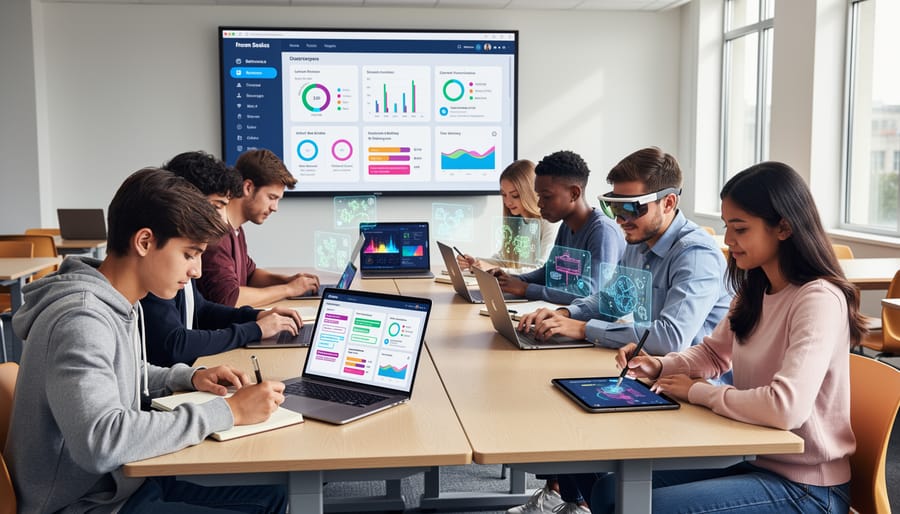
Think of technology as your teaching sidekick, not the superhero. Your learning goals should always take center stage. Start by asking yourself what you want students to learn, then choose technology that helps you get there. Want students to master multiplication facts? A digital game might work wonders. Need them to collaborate on a project? Maybe a shared online workspace is your answer.
The best part? You don’t need to transform your entire classroom overnight. Start small and focus on what matters most to your students. If a tech tool doesn’t support your learning objectives, it’s just digital noise.
Remember, students don’t learn because of technology—they learn when great teaching meets the right tools at the right time. Your creativity, lesson design, and understanding of your students matter far more than any device or platform. Technology simply gives you more ways to reach every learner in your classroom, making those “aha” moments happen more often and more powerfully.
Designed for How Your Students Actually Think
Here’s the exciting part: the best technology-enhanced learning tools aren’t just flashy additions to your classroom. They’re built on real science about how your students’ brains actually work!
Learning engineering takes what researchers know about memory, attention, and motivation and transforms it into practical classroom tools. Instead of fighting against how kids naturally learn, these tools work with their brain’s design. Think about it: students remember information better when they retrieve it multiple times (that’s why review games stick!), they stay focused when challenged at just the right level, and they’re motivated by seeing their own progress.
This is where personalized learning tools really shine. They automatically adjust to each student’s needs, giving struggling learners extra practice without boring advanced students. The technology tracks which concepts need reinforcement and spaces out review sessions for maximum retention.
The beauty is that you don’t need to understand all the brain science behind it. You just need tools designed by people who do. When technology aligns with natural learning processes, students engage more easily, retain information longer, and actually enjoy the experience. That’s learning engineering in action.
Technology-Enhanced Learning in Your Classroom Right Now
Interactive Review Games That Get Every Student Involved
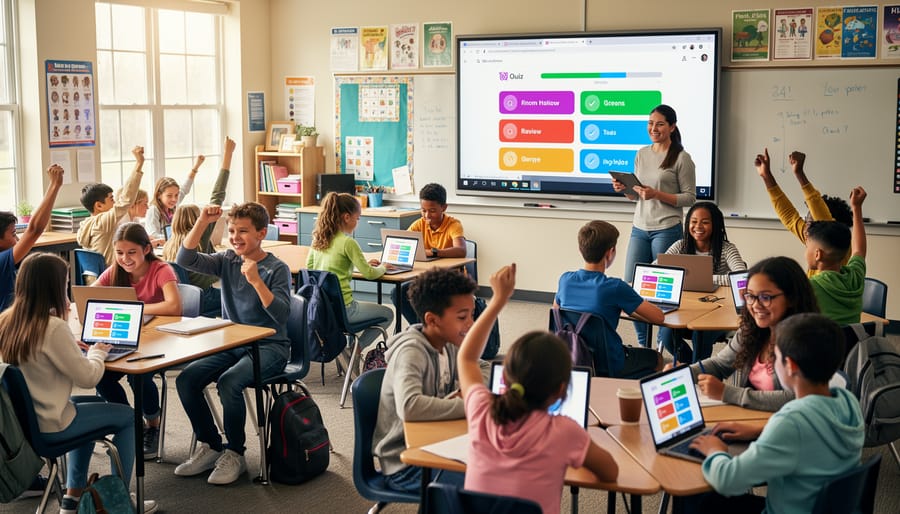
When you need every student engaged during review time, game-based learning tools deliver incredible results. These interactive review games tap into powerful learning engineering principles that help information stick, including spaced repetition and active recall.
Think about those moments when students mentally check out during traditional review sessions. Game-based tools flip that script completely. When students answer questions to help their team win or compete against the clock, they’re actively retrieving information from memory rather than passively reviewing notes. This active recall strengthens neural pathways and improves long-term retention far better than simply rereading material.
The beauty of PowerPoint game templates is their incredible flexibility. You can customize questions for any subject, adjust difficulty levels for different learners, and reuse games throughout the year for spaced repetition. Students review the same concepts multiple times in fresh, engaging formats, which reinforces learning without feeling repetitive or boring.
These games also create natural opportunities for peer learning. Students discuss answers, explain their reasoning, and learn from each other’s mistakes in a low-stakes environment. The competitive element keeps energy high while the structure ensures everyone participates, not just your vocal students.
Best of all, you don’t need special software or training. Download a template, add your content, and you’re ready to transform review time from something students tolerate into something they genuinely look forward to.
Instant Feedback Tools That Save Your Time
Remember when grading papers or quizzes meant spending your entire evening with a red pen? Those days are fading fast! Technology now offers amazing tools that give your students instant feedback while simultaneously showing you exactly who gets it and who needs extra support.
Immediate feedback systems work like magic in the classroom. When students answer questions during digital activities, they know right away if they’re on track. No more waiting days for graded assignments to discover they’ve been practicing the wrong method all week! This instant response helps students self-correct and build confidence as they learn.
Here’s where it gets even better for you: while students receive their feedback, you’re getting real-time data about your entire class. Digital platforms can show you at a glance which concepts are clicking and which ones need more attention. You can actually adjust your lesson mid-class based on what you’re seeing!
The beauty of learning analytics is that they turn every review game or quiz into a powerful teaching tool. You’ll spot patterns you might have missed otherwise, identify students who need intervention early, and celebrate progress as it happens. Plus, you’re saving hours of grading time that you can spend planning engaging lessons or, dare we say, enjoying your weekend!
Making Tech Work for You (Not the Other Way Around)
Three Questions to Ask Before Trying Any New Tech Tool
Before you dive into the latest shiny app or digital platform, take a moment to ask yourself these three game-changing questions. They’ll save you time, reduce frustration, and help you make choices that truly benefit your students.
First, does this tool actually support my learning goals? It’s easy to get excited about cool features, but the real question is whether the technology helps students master specific skills or concepts. If it’s just flashy without substance, skip it.
Second, how much time will I need to learn this? Be honest about your schedule. The best tech tools are intuitive and don’t require hours of training videos. If the learning curve feels overwhelming, it might not be the right fit for now. Look for tools that let you start small and grow your skills over time.
Third, what’s in it for my students? Think beyond engagement. Sure, students might enjoy using something new, but will it actually deepen their understanding or give them meaningful practice? The most valuable tools offer customization options so you can tailor activities to different learning needs and make every student feel successful. When a tool checks all three boxes, you’ve found a winner worth your time.
Start Small, Win Big
Here’s the thing: you don’t need to transform your entire classroom overnight. In fact, the teachers who see the most success with technology-enhanced learning are the ones who start with just one simple change.
Pick a single strategy that excites you. Maybe it’s replacing your traditional Friday quiz with an interactive review game, or using a digital tool to collect student responses during a discussion. Whatever you choose, give yourself time to get comfortable with it. Master one approach before adding another.
Think of it like learning to ride a bike. You wouldn’t start by entering a race, right? You’d practice in your driveway first. The same principle applies here. Starting small reduces the overwhelm and builds your confidence as you go.
The beauty of beginning with one tech-enhanced strategy is that you’ll quickly see what works for your unique classroom. Your students will give you instant feedback through their engagement levels, and you can customize and adjust as needed. Those small wins add up fast, and before you know it, you’ll be ready to try something new.
Remember, every expert teacher you admire started exactly where you are now. Give yourself permission to experiment, make mistakes, and celebrate the small victories along the way.
The Real Benefits You’ll See in Your Classroom
Let’s talk about what actually changes when you bring technology-enhanced learning into your space. This isn’t about fancy theory—it’s about real differences you’ll notice starting tomorrow.
First up: engagement. Picture this—you’re reviewing fractions (again), and instead of glazed-over eyes, students are leaning forward, debating answers, and actually asking to play one more round. When learning feels like an experience rather than a lecture, participation skyrockets. Even your quietest students find their voice because digital tools create multiple ways to participate without putting anyone on the spot.
The retention piece is huge too. Remember how you used to review material the day before a test and half the class looked like they’d never seen it before? Interactive technology creates natural repetition without the boredom. Students encounter concepts multiple times in different formats, which helps information actually stick. You’ll spend less time re-teaching and more time moving forward.
Here’s something wonderful: inclusion happens almost automatically. Students who struggle with reading can use audio features. Fast finishers can tackle bonus challenges while others work at their own pace. English language learners get visual supports. Everyone participates simultaneously, which means nobody’s waiting around feeling awkward or rushing to keep up.
And about your time—yes, there’s a learning curve, but once you’ve customized a few activities, you’ll find yourself reusing and tweaking rather than creating from scratch every single time. Many teachers report cutting their prep time significantly after the first few weeks. Plus, instant feedback means less grading and more time for actual teaching.
The bottom line? Happier students, better results, and you getting home at a reasonable hour.
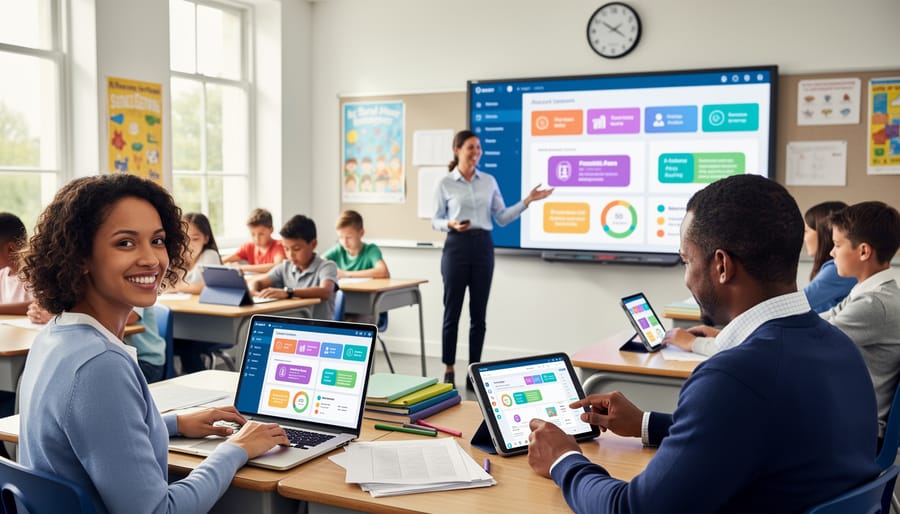
You’re already on your way to becoming a technology-enhanced learning champion, and here’s the best part: you don’t need to be a tech wizard to make it happen! The tools and strategies available today are designed with real teachers in mind, which means they’re user-friendly, customizable, and ready to work alongside your existing teaching style.
Think of technology as your teaching ally, not your replacement. It’s there to amplify the amazing work you’re already doing, giving you more time to connect with students and create those memorable learning moments. Whether you’re just starting with one interactive game or building a full toolkit of digital resources, every step you take makes a difference in your students’ engagement and learning outcomes.
Ready to take action? Start small this week by choosing just one lesson where you can add an interactive element. Watch how your students respond, adjust as needed, and celebrate the wins. Remember, the most effective classroom technology isn’t about having the fanciest tools; it’s about choosing what works for you and your students. You’ve got this, and your students are lucky to have a teacher who’s committed to making learning more engaging and effective!