
Why Your Students Remember Where They Were, But Not What They Learned
You remember exactly where you were on September 11th, 2001—but research shows those crystal-clear details might be completely wrong. Flashbulb memories feel photographically accurate because they’re emotionally charged, yet studies reveal they’re just as prone to distortion as everyday memories. Your brain reconstructs these moments each time you recall them, quietly altering details while maintaining that powerful sense of certainty.
This phenomenon matters deeply for your classroom. Students often believe their confident memories are reliable, especially when recalling important lessons or test material. They’ll insist they studied specific content when they actually didn’t, or feel certain about incorrect answers simply because the memory feels vivid. Understanding flashbulb memory accuracy helps you teach students that confidence doesn’t equal correctness.
The solution lies in repetition and active recall. When students repeatedly engage with material through spaced practice, they build genuine memory pathways instead of relying on single, emotionally charged study sessions. Review games transform this principle into something engaging—turning memory reinforcement into an interactive experience rather than passive rereading.
Your classroom can become a laboratory for better memory habits. By explaining how memories deceive us and providing structured opportunities for retrieval practice, you’re giving students metacognitive tools they’ll use forever. The goal isn’t just remembering content; it’s teaching learners to question their certainty and seek verification through practice rather than trusting fleeting feelings of familiarity.
What Is Flashbulb Memory (And Why It Tricks Our Students)
Think back to where you were when you heard about a major world event or experienced something emotionally charged in your classroom. You can probably picture it vividly, right? The room, the faces, maybe even what you were wearing. That’s flashbulb memory in action—those crystal-clear mental snapshots our brains take during surprising or emotional moments.
Here’s the tricky part: while these memories feel incredibly accurate, they’re often not as reliable as we think. And this phenomenon affects our students in ways we might not realize.
Flashbulb memories are great at capturing the context—the where, when, and who—but they’re not so great at preserving the actual content. Your students might vividly remember the day you wore that funny hat during a lesson, or when the fire alarm went off during math class. They’ll recall those environmental details with surprising clarity. But ask them about the actual academic content you taught that day? That’s a different story.
This creates a real challenge in our classrooms. Students might feel confident they remember a lesson because they have a vivid mental picture of the moment. They remember sitting by the window, or their friend’s reaction to something, or the poster on the wall behind you. This false confidence can trick them into thinking they’ve actually retained the learning objectives when they’ve mostly just captured the scene.
The emotional component matters too. When something exciting or surprising happens during a lesson, students form these flashbulb memories of the experience itself. They remember the feeling, the atmosphere, the drama—but the academic vocabulary, the math steps, or the historical facts you were teaching can slip right through unless we intentionally build them into memory through practice and review.
Understanding this helps us design better learning experiences that move beyond memorable moments to create genuine, lasting retention.
The Confidence Problem: When Students Think They Remember
Here’s the thing about flashbulb memories that might surprise you: your students are absolutely certain they remember every detail correctly, but research shows they’re often wrong. It’s a fascinating confidence-accuracy gap that plays out in your classroom more often than you’d think.
When students recall a dramatic event, like where they were during a major announcement or what happened on a field trip, they describe the memory with complete conviction. The problem? That confidence doesn’t match reality. Studies have shown that people maintain incredibly high certainty about flashbulb memories even when researchers prove specific details have changed over time.
Sound familiar? This same pattern shows up during test review sessions. A student raises their hand and insists they studied that material thoroughly, yet they can’t answer correctly. Or they’re shocked when their test results don’t match how well they thought they knew the content. This disconnect between perceived knowledge and actual retention directly impacts test-taking confidence.
The emotional intensity that creates flashbulb memories also creates false certainty. Your brain essentially says, “I feel strongly about this, so it must be accurate.” Students experience this during learning too. They feel confident because the material seemed easy during class or because they recognize it when reviewing, but recognition isn’t the same as recall.
This is why regular, low-stakes retrieval practice is so powerful. When students actively recall information through games and quizzes, they get honest feedback about what they actually know versus what they think they know. It helps calibrate that confidence meter before high-stakes assessments arrive.

Building Real Memory Skills Beyond the Flashbulb Effect
Repetition with Variation: The Key to Recall Fluency
Here’s the truth: flashbulb memories feel incredibly accurate, but they’re not reliable for learning content. The good news? You can help your students build genuine recall fluency through repetition with variation.
Think of it this way: seeing information once creates a snapshot. Engaging with it multiple times, in different ways, builds a highway in the brain. When students encounter the same concept through a review game on Monday, a class discussion on Wednesday, and a hands-on activity on Friday, they’re reinforcing the same neural pathways from multiple angles.
This is where your creativity shines! Mix up your review sessions with different formats. Try a fast-paced quiz game one day, then switch to collaborative group challenges the next. Use digital tools, physical movement activities, and verbal discussions. Each variation strengthens the memory while keeping engagement high.
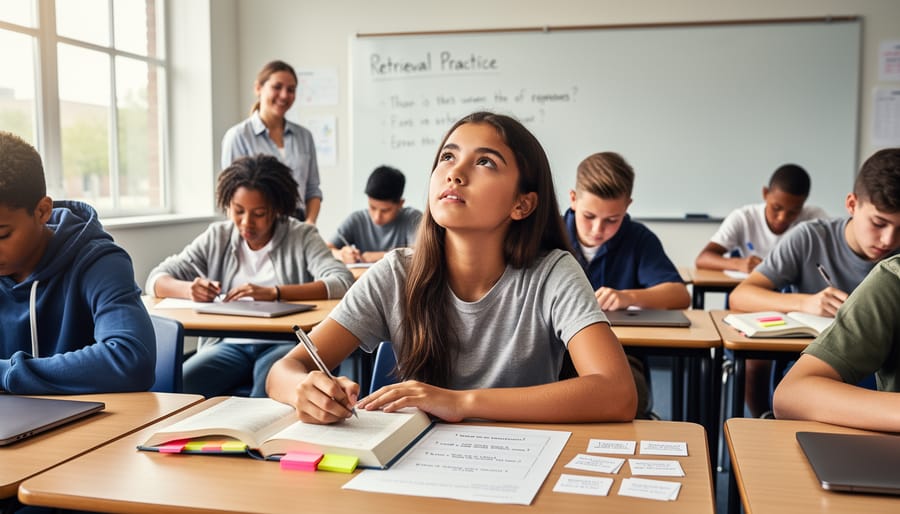
The magic happens when students actively retrieve information rather than passively reviewing it. Games are perfect for this because they require students to pull answers from memory under fun, low-stakes pressure. This retrieval practice is what transforms shaky recognition into confident recall.
By incorporating independent learning strategies alongside varied review activities, you’re teaching students that mastery comes from multiple encounters with material, not from single dramatic moments. The result? Real learning that sticks long after the classroom excitement fades.
Game-Based Review: Making Memory Stick
Here’s the reality: students won’t remember content they only see once. Just like flashbulb memories need emotional intensity to stick, academic content needs repeated exposure through different angles to truly take hold. That’s where game-based review becomes your secret weapon.
When you use interactive review games in your classroom, you’re creating multiple memory touchpoints. Each time students encounter the same concept through a different game format, they’re strengthening those neural pathways. Think of it like building muscle memory, but for academics. The first playthrough introduces the content, the second reinforces it, and by the third or fourth game session, students are answering with confidence and fluency.
The magic happens because games make review feel fresh rather than repetitive. Students might groan at another worksheet on the same topic, but turn that same content into a competitive quiz game? Suddenly everyone’s engaged and participating. This emotional engagement actually mirrors what makes flashbulb memories so vivid, except you’re creating positive associations with learning rather than relying on dramatic events.
Customizable PowerPoint game templates are particularly powerful because you control the content completely. You can tailor questions to address exactly what your students struggled with, adjust difficulty levels for different learners, and revisit concepts as many times as needed without boring your class. Whether you’re reviewing vocabulary, math facts, historical events, or scientific processes, the same template becomes an endlessly adaptable tool.
The best part? Students don’t realize they’re doing serious memory work because they’re having fun. They’re just playing a game, laughing with classmates, and maybe winning some points. Meanwhile, their brains are building genuine, lasting recall that goes way beyond those unreliable flashbulb moments.
Testing the Memory, Not Just the Moment
Here’s the key: students need practice telling the difference between remembering how they felt about an event and actually remembering the facts. This is where low-stakes quizzing becomes your secret weapon!
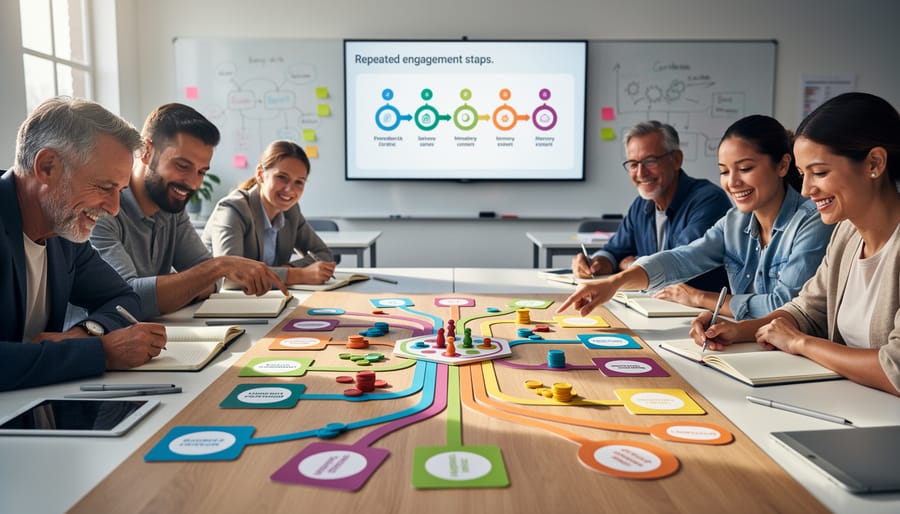
Think of it like this—when students recall information repeatedly over time, they’re building genuine memory pathways rather than relying on that initial emotional rush. Try incorporating quick, no-pressure quizzes a few days after teaching new content, then again a week later, and once more after a couple of weeks. This spaced retrieval practice helps students recognize what they truly know versus what just feels familiar.
The beauty of this approach is that it’s totally customizable to your classroom style. You might use digital review games during the last five minutes of class, or create fun quiz competitions where students work in teams. The goal isn’t to grade every response—it’s to give students multiple opportunities to actively retrieve information from memory.
Regular classroom recall exercises also help students develop metacognition—they start noticing when they’re actually remembering content versus when they just think they remember because the topic feels familiar. Celebrate these discoveries with your students! When they catch themselves confusing emotional memory with factual recall, that’s genuine learning happening. Make retrieval practice a consistent, encouraging part of your routine, and watch your students become more aware, confident learners who understand how their memory actually works.
Turning Flashbulb Moments Into Learning Opportunities
Here’s the exciting part: you can absolutely use emotional moments in your classroom to create lasting learning experiences! The key is pairing those emotions with intentional review and practice.
Start by creating those “wow” moments strategically. When introducing a challenging concept, add an element of surprise, humor, or connection to current events. Maybe it’s a dramatic demonstration, a thought-provoking question, or a game that gets everyone energized. These emotional hooks grab attention and make the moment stick.
But don’t stop there! This is where many lessons fall short. Within the same class period, connect that exciting moment directly back to the content. Ask students to explain what they just experienced using academic vocabulary. Have them write quick reflections linking the emotion to the concept. This builds metacognition skills as they become aware of how their memory works.
Follow up with spaced repetition. The next day, reference that memorable moment and quiz students on the connected content. A week later, incorporate it into a review game. This repeated exposure transforms that flashbulb memory into genuine understanding.
Customize your approach based on your grade level and subject. Elementary teachers might use silly songs or movements paired with regular practice. High school teachers can leverage current events or debates, then reinforce through discussion and application.
Remember, the goal isn’t just creating memorable moments for the sake of excitement. It’s about anchoring accurate information to those emotions through consistent review. When you combine emotional engagement with intentional practice, you’re not just entertaining students—you’re building lasting knowledge they can actually retrieve when it counts.
Understanding flashbulb memory accuracy gives you a powerful advantage in the classroom. While these vivid emotional memories show us just how much emotion impacts learning, they also reveal an important truth: feeling certain about a memory doesn’t make it accurate. The good news? You can use this knowledge to design review activities that actually stick.
The key is moving beyond one-time emotional moments and building recall fluency through repeated, engaging practice. Think interactive review games, spaced repetition activities, and creative memory challenges that get students retrieving information multiple times in different contexts. When students practice recalling information regularly, they develop the kind of deep, accurate memory that supports real learning.
So embrace the emotional moments in your classroom – they definitely help students pay attention and form initial memories. But don’t stop there. Follow up with intentional practice opportunities that are fun, customizable to your students’ needs, and designed to strengthen those neural pathways. By combining the motivational power of emotion with consistent review practice, you’ll help your students build memory skills that lead to true mastery. Your classroom can be both emotionally engaging and academically rigorous.