Why Your Students Learn Better When Lessons Feel Like Video Games
Transform familiar game formats into learning experiences by downloading customizable PowerPoint templates that require no coding or special software. Choose games your students already love—trivia competitions, board game adventures, or quiz shows—and fill in your curriculum content within pre-built slides. This approach lets you create engaging review sessions in under 30 minutes while maintaining complete control over educational content.
Game-based learning works because it taps into natural motivation through immediate feedback, friendly competition, and visible progress. When students see points accumulate or advance through levels, their brains release dopamine, making information stick better than traditional worksheets. Research consistently shows improved retention rates and participation, especially among reluctant learners who suddenly become invested in mastering content to win.
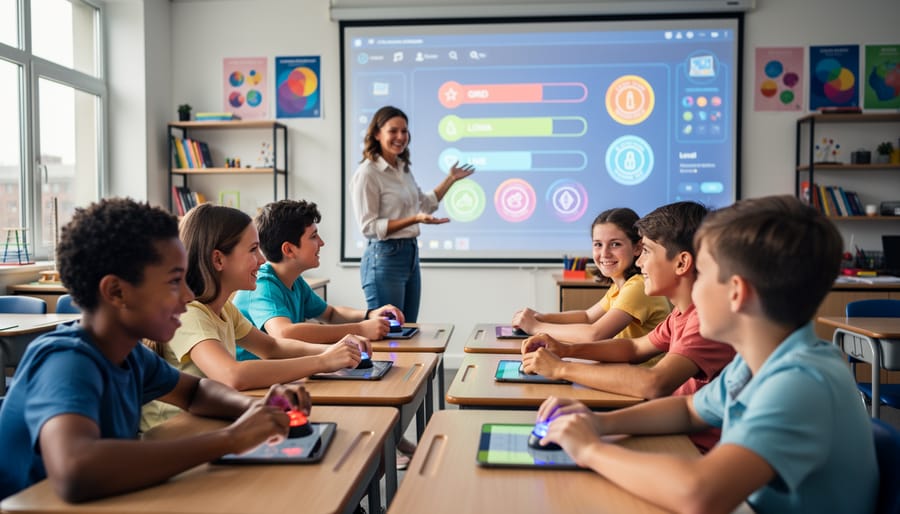
Start small by replacing one weekly review activity with a game template. Customize questions to match your current unit, project it on your classroom screen, and facilitate play in teams or individually. You’ll notice increased energy, voluntary participation, and students asking to play again—clear indicators they’re learning without realizing how much work they’re actually doing.
What Video Game Learning Really Means in Your Classroom
Video game learning is simply using game elements and gameplay to teach your curriculum—and it’s much more strategic than just letting students play games during class time. Think of it as technology-enhanced learning where the game structure keeps students motivated while they practice essential skills.
Here’s what makes it different from regular gameplay: video game learning has clear educational objectives built right into the experience. When students answer questions to advance in a racing game or solve problems to unlock new levels, they’re actively practicing your lesson content. The game becomes the vehicle for learning, not just a reward.
The beauty of this approach is its flexibility. You can customize games to match any subject or grade level, making content review feel fresh and exciting. Students get immediate feedback as they play, helping them learn from mistakes without the pressure of traditional testing. Plus, the competitive or collaborative elements naturally boost engagement.
You don’t need to be a tech expert to make this work. With ready-to-use templates that you can personalize with your own questions, video game learning becomes as simple as creating a quiz—but with way more enthusiasm from your students. The games handle the motivation part while you focus on the learning outcomes that matter most.

The Science Behind Why Games Make Learning Stick
Instant Feedback Keeps Students Motivated
One of the biggest advantages of video game learning is the instant feedback students receive as they play. Unlike traditional worksheets that might sit in a grading pile for days, game-based learning tells students immediately whether their answer is right or wrong. This real-time response helps them correct misconceptions on the spot, rather than practicing mistakes repeatedly.
Think about how motivating it is when students see their score update instantly or hear a satisfying sound effect after a correct answer. These immediate rewards keep energy high and encourage students to keep trying. When they get something wrong, they can learn from it right away and adjust their thinking for the next question.
This instant feedback loop also helps you identify learning gaps more quickly. With learning analytics built into many game templates, you can see which concepts are causing trouble and adapt your instruction accordingly. Students stay motivated because they’re not waiting around wondering how they did—they know immediately and can celebrate their progress or learn from their mistakes in the moment.
Competition and Collaboration Drive Participation
One of the most powerful aspects of video game learning is how naturally it gets students involved. When you introduce team-based or competitive game elements into your lessons, something magical happens: even your most reluctant learners suddenly want to join in.
Think about it. In traditional classroom settings, some students hesitate to raise their hands or participate in discussions. But when the same content is presented through a game format, the social dynamics shift completely. Students who normally hold back become engaged because they’re contributing to their team’s success or working toward a personal best score.
Competition doesn’t have to mean high-pressure stress either. The beauty of classroom games is that you control the intensity level. You can create low-stakes competitions where the focus is on improvement rather than winning, or you can design collaborative challenges where teams work together against the game itself rather than each other.
The peer support that emerges during team games is particularly valuable. Students naturally encourage each other, explain concepts to teammates, and celebrate collective progress. This social element transforms learning from an individual task into a shared experience, making participation feel less intimidating and more rewarding for everyone involved.
Low-Stakes Practice Reduces Test Anxiety
Game-based review creates a comfortable space where students can practice without the pressure of traditional testing. Unlike high-stakes quizzes that count toward grades, games feel more like play than assessment, which naturally reduces anxiety. Students who might freeze during a formal test often thrive when the same material appears in a game format. The key difference? Games celebrate progress and allow multiple attempts without judgment. When wrong answers simply become another chance to learn rather than marks against them, students relax and engage more deeply with the content. This low-pressure environment is especially helpful for students who struggle with test anxiety or lack confidence in their abilities. You can customize games to match your students’ comfort levels, adjusting difficulty and pacing to build their skills gradually. The result is students who practice more willingly and retain information better because they’re not blocked by fear of failure.
Easy Ways to Bring Video Game Learning Into Any Lesson

Start Small With PowerPoint Game Templates
Good news: you don’t need to be a tech wizard to bring video game learning into your classroom! PowerPoint game templates are the perfect starting point for teachers who want to dive into game-based learning without the headache of complex software or coding.
These ready-made templates come loaded with everything you need right out of the box. Think built-in scoreboards that track points automatically, fun sound effects that celebrate correct answers, and colorful graphics that grab student attention. The best part? You can start using them immediately, then customize them as you get comfortable.
Templates typically include popular game formats like quiz shows, board games, and review competitions that students already know and love. Simply add your own questions and content, and you’re ready to play. Many templates even include timers, team score trackers, and animated elements that make learning feel exciting.
The beauty of starting with templates is that they remove the technical barriers while still giving you creative freedom. You can adjust colors to match your classroom theme, swap out questions for different units, or modify difficulty levels for various learners. This means less time wrestling with technology and more time focusing on what matters most: engaging your students in meaningful learning experiences.
Customize Games to Match Your Content
The beauty of game templates is that they work for any subject or grade level with just a few tweaks. Start by matching the game format to your learning goal. Fast-paced games like Jeopardy work great for vocabulary review, while puzzle games suit problem-solving skills. For younger students, choose games with simple rules and colorful visuals. Older students can handle more complex challenges and competitive elements.
When customizing, replace the placeholder text with your actual content. Add questions that target specific learning objectives from your lesson plans. Adjust difficulty levels by mixing easier warm-up questions with tougher ones. Include images or videos to support different learning styles and keep things visually interesting.
Don’t forget to personalize the experience. Use student names in questions, reference inside jokes from your classroom, or tie questions to current events they care about. You can even create team names based on classroom groups. The more relevant the content feels, the more engaged your students will be. Most templates let you change colors, fonts, and themes too, so make it match your teaching style and classroom vibe.
Mix Solo, Team, and Whole-Class Game Formats
Different game formats serve different purposes in your classroom, and mixing them up keeps students engaged while meeting various learning goals.
Solo game formats work beautifully when you want students to practice at their own pace or assess individual understanding. They’re perfect for differentiation since faster learners can move ahead while others take the time they need. Use solo games for skill practice, review sessions, or quick formative assessments.
Team-based games create excitement and encourage collaboration. They’re ideal when you want students to discuss concepts, explain their thinking to peers, or build communication skills. Teams also work well for more challenging content where students benefit from collective problem-solving. Just keep teams small (3-4 students) to ensure everyone participates.
Whole-class formats generate incredible energy and community. They’re fantastic for review days, introducing new topics with high engagement, or ending units on a celebratory note. The shared experience builds classroom culture and creates memorable learning moments.
The key is matching format to purpose. Teaching fractions? Start with solo practice, move to team challenges for problem-solving, then celebrate with a whole-class competition. This variety maintains motivation while addressing different learning needs throughout your unit.
What Video Game Learning Can Do Beyond Test Review
Breaking the Ice at the Start of the Year
The first days of school can feel awkward for everyone, but games naturally break down those initial barriers. Start with simple icebreaker games that get students laughing and talking without the pressure of traditional introductions. Think trivia games where students answer fun questions about themselves, or team-based challenges that require quick collaboration. These low-stakes activities help students learn names, discover common interests, and feel more relaxed in their new environment. The beauty of using game-based icebreakers is that they shift focus away from social anxiety and onto the fun of playing together. You can easily customize questions and themes to match your grade level and classroom culture, making each student feel included from day one.
Building Teamwork and Classroom Community
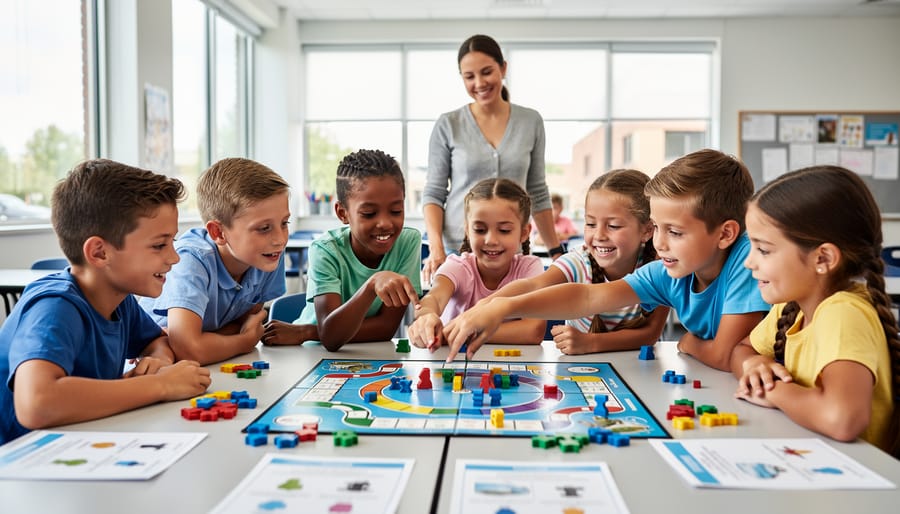
Games naturally bring students together! When you use collaborative game formats in your classroom, you’re creating opportunities for students to work side-by-side, celebrate wins together, and support each other through challenges. Team-based game formats transform individual learners into connected communities.
Try starting with simple team challenges where students must combine their knowledge to succeed. This collaborative approach helps quiet students find their voice and encourages natural peer mentoring. The best part? You can customize team structures based on your classroom dynamics, mixing skill levels or grouping students strategically to build new friendships.
Games create a shared experience that students remember long after the bell rings. They’ll bond over funny moments, inside jokes, and shared victories, building the positive classroom culture you’ve been working toward all year.
Quick Formative Checks That Feel Fun
Game-based activities give you instant feedback on how students are doing without the stress of traditional quizzes. When kids play review games, you can watch their responses in real-time and quickly spot who’s struggling with specific concepts. The best part? Students don’t even realize they’re being assessed—they’re too busy having fun and competing! You can customize game templates to focus on exactly what you need to check, whether it’s yesterday’s lesson or last month’s unit. This approach helps you gather valuable data on student understanding while keeping energy high and anxiety low. Plus, you can adjust your teaching on the spot based on what you observe during gameplay, making your instruction more responsive and effective.
Common Concerns Teachers Have (And How to Handle Them)
Managing Classroom Excitement and Noise
Game-based learning brings natural excitement to your classroom, but managing that energy is key to keeping activities productive. Start by setting clear expectations before the game begins. Explain that enthusiasm is welcome, but respectful volume levels help everyone concentrate and enjoy the experience.
Use simple signals to control noise levels during gameplay. Try a traffic light system where green means normal conversation, yellow means quieter voices, and red means pause and listen. You can also designate specific moments for celebration, like after completing a round, so students know when it’s appropriate to cheer.
Consider your classroom layout too. Arrange desks to minimize distractions and create clear pathways between teams. If things get too loud, pause the game briefly and remind students of your expectations rather than raising your voice.
Remember, some buzz is actually a sign of engagement. The goal isn’t silence but purposeful energy directed toward learning. With consistent routines and positive reinforcement, your students will learn to channel their excitement productively while having fun.
Making Sure Everyone Participates
Game-based learning works best when everyone participates, not just your confident competitors. Start by creating diverse teams that mix skill levels and personalities. Assign specific roles within each game—scorekeeper, strategist, or timekeeper—so quieter students have a clear purpose. Consider using turn-based games where everyone must contribute before moving forward.
Rotate team leaders regularly to give different students leadership opportunities. For students who feel anxious about competition, emphasize personal improvement over winning. Track individual progress and celebrate small victories alongside team achievements.
Ensuring all students engage means offering multiple ways to participate. Some students shine verbally while others prefer written responses or visual contributions. Customize your game templates to include varied question types and response methods. Remember, the goal is learning together, not creating classroom champions.
Finding Time to Set Up Games
We know you’re busy! That’s why downloadable templates are game-changers. Set up once, play multiple times. Download a template, customize it with your content in minutes, and you’re ready to go. The best part? Save your customized version and reuse it across different units throughout the year. Next year’s class? Just update the questions. No need to reinvent the wheel each time. These templates give you back precious planning time while keeping your students excited about learning. It’s the perfect solution for teachers who want engaging activities without the prep-time headache.
You’re ready to transform your classroom with the power of game-based learning! Remember, you don’t need to be a tech wizard or start from scratch. The beauty of video game learning is that it meets your students where they are—engaged, motivated, and ready to learn through play.
The benefits are clear: higher engagement, better retention, and students who actually look forward to practicing skills. Whether you’re reinforcing math facts, building vocabulary, or reviewing for a test, game-based learning turns routine practice into an exciting challenge.
The best part? You can start small. Choose one lesson or review session this week and try it out. Pick a template that matches your learning objective, customize it with your content, and watch your students light up. You’ll be amazed at how quickly they dive in and how much they retain.
Your students are waiting for that next adventure in learning—why not make it happen today? Take that first step, experiment with what works for your classroom, and enjoy seeing your students thrive. You’ve got this!