
Why Khan Academy Skipped Gaming (And What Works Better for Your Classroom)
Let’s clear up a common misconception: Khan Academy doesn’t actually offer educational games in the traditional sense. While it provides excellent gamification features like points, badges, and progress tracking, you won’t find true game-based learning tools like Jeopardy-style review games or interactive competitions on the platform.
Here’s what Khan Academy does offer: practice exercises with instant feedback, mastery challenges that unlock as students progress, and engaging video lessons that make complex topics accessible. These features motivate students through achievement systems rather than gameplay mechanics.
If you’re specifically searching for game-based classroom activities to boost engagement and create that competitive, fun energy students love, you’ll need to look beyond Khan Academy. The good news? You can easily create custom educational games using PowerPoint templates that transform your Khan Academy content into interactive review sessions. Think Jeopardy boards, quiz shows, and team competitions that get students excited about practicing math facts, science concepts, or vocabulary.
The magic happens when you combine Khan Academy’s solid instructional content with actual game formats for review and reinforcement. This approach gives you the best of both worlds: comprehensive learning resources and the interactive, competitive elements that turn practice into play.
What Khan Academy Actually Offers (And Why It’s Not Quite Gaming)
If you’ve searched for Khan Academy educational games, you might be surprised to learn that Khan Academy doesn’t actually offer games in the traditional sense. But don’t worry—what they do offer is still incredibly valuable for your classroom!
Khan Academy is primarily an interactive practice platform. Students work through exercises, watch instructional videos, and complete practice problems across subjects like math, science, and reading. The platform tracks progress beautifully and adapts to each student’s learning pace, which is fantastic for differentiation.
What makes it feel game-like? Khan Academy includes motivational elements like points, badges, and energy points that students earn as they complete exercises. There’s also a progress dashboard where students can see their mastery levels grow. These features definitely add an element of engagement and accomplishment.
However, here’s the key distinction: Khan Academy activities are practice exercises with motivational rewards, not true educational games. Students aren’t competing against classmates, there’s no time pressure or exciting game mechanics, and the format remains worksheet-style problems rather than interactive gameplay.
This doesn’t diminish Khan Academy’s value at all! It’s an exceptional tool for personalized practice, homework assignments, and skill reinforcement. Many teachers love using it for independent work time or flipped classroom models.
But if you’re specifically looking for game-based learning—the kind that gets students excited, competitive, and actively engaged through gameplay—you’ll want to explore actual educational game formats. Think review games with buzzers, team competitions, or interactive challenges that bring that game-show energy to your classroom. Those tools serve a different purpose than Khan Academy’s steady, personalized practice approach, and both absolutely have their place in effective teaching!
What Teachers Really Need: The Game Element Missing from Khan Academy
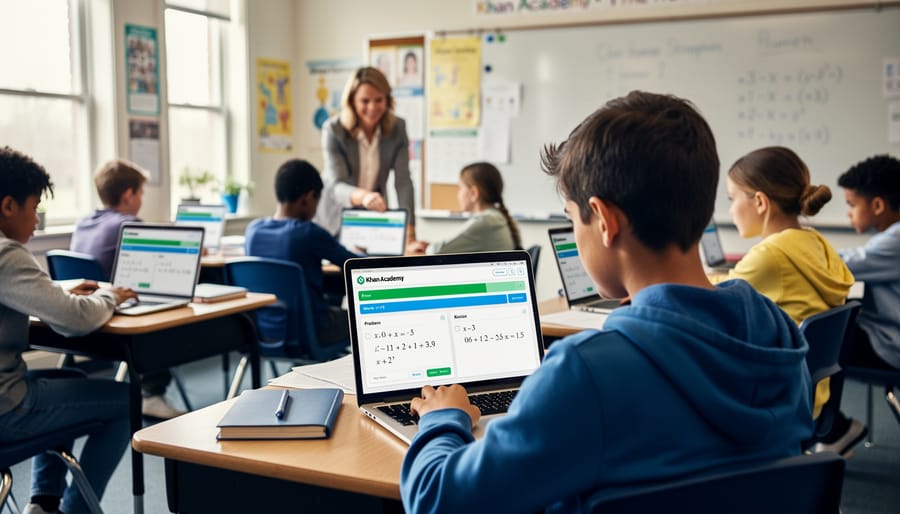
You know that feeling when you search for something specific, and you can almost picture exactly what you need? When teachers search for Khan Academy educational games, they’re imagining something very particular: students leaning forward in their seats, friendly competition buzzing through the room, teams collaborating excitedly, and that magical classroom energy that makes learning feel like play rather than work.
This instinct is spot-on. Traditional practice exercises, no matter how well-designed, simply can’t replicate the engagement that comes from true game-based learning. You’re not looking for more worksheets or another set of practice problems. You’re searching for the competitive thrill of racing against the clock, the teamwork that comes from collaborative challenges, and the celebration that erupts when students achieve victory together.
The desire for game elements in education isn’t just about making learning fun—it’s about tapping into powerful motivators that drive student engagement. Competition encourages focus. Collaboration builds community. Immediate feedback keeps momentum going. These aren’t extras or bonuses; they’re essential ingredients for creating the kind of dynamic learning environment where all students can thrive.
Your search for educational games reflects excellent teaching instinct. You recognize that engagement matters, and you’re willing to explore new tools to create those memorable learning moments your students will actually look forward to.

Game-Based Review Tools That Fill the Gap
PowerPoint Game Templates for Instant Engagement
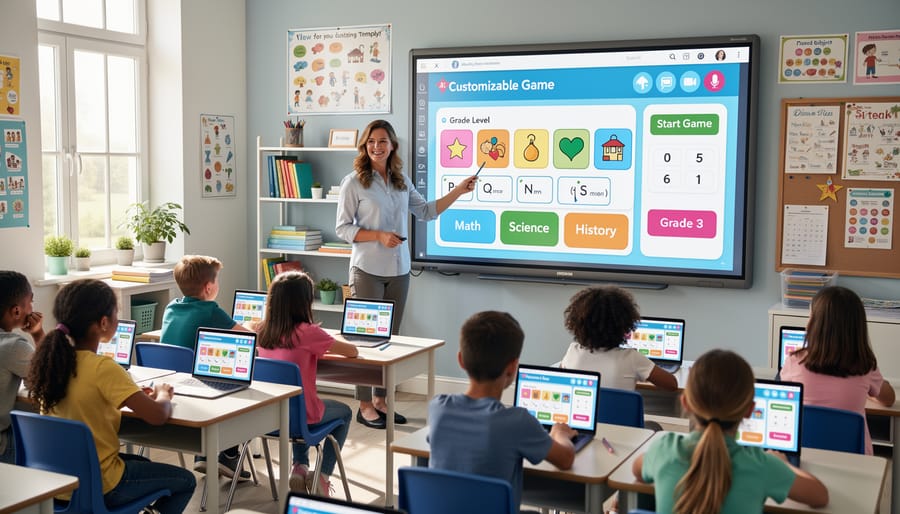
Ready to bring instant excitement to your classroom? PowerPoint game templates are downloadable, pre-designed games that transform ordinary review sessions into competitive, fun-filled learning experiences. Think game shows like Jeopardy, Family Feud, or Wheel of Fortune, all ready to customize with your own content!
These templates come packed with built-in features that make your life easier. Most include automatic scoreboards that track points throughout the game, eliminating the need for manual tallying. Many feature sound effects and animations that create authentic game show atmosphere, keeping students engaged and excited. The best part? You simply add your own questions and answers, and you’re ready to play within minutes.
What makes these templates truly special is their incredible versatility. Use them for any subject, from math facts to vocabulary review, science concepts to historical events. They work beautifully across all grade levels too. Elementary students love the colorful animations, while middle and high schoolers appreciate the competitive element.
The customization options are endless. Adjust difficulty levels, change point values, or modify questions on the fly based on your students’ needs. No technical skills required! If you can type in PowerPoint, you can create an amazing game experience that students will beg to play again and again.
When to Use Games vs. Khan Academy Practice
The great news is that you don’t have to choose between Khan Academy and educational games—they work beautifully together! Think of them as complementary tools in your teaching toolkit, each serving different classroom needs.
Use Khan Academy when you want students to build foundational skills independently. It’s perfect for homework assignments, personalized practice at their own pace, and tracking individual progress through specific math or reading concepts. The platform shines during independent work time or centers when students need targeted skill reinforcement.
Switch to game-based activities when your classroom needs an energy boost! Games excel during whole-class reviews before tests, friendly competition between teams, or those tricky transition times when students need re-engagement. They’re also fantastic for introducing new units in a low-pressure way or wrapping up lessons with something memorable.
Here’s a winning combination: Have students practice skills on Khan Academy throughout the week, then use a PowerPoint game template on Friday for a fun review session. The game reinforces what they’ve learned while adding that social, competitive element that gets everyone excited. Students can apply their Khan Academy knowledge in a team setting, and you’ll instantly see which concepts need more attention.
The key is balance. Khan Academy builds the skills methodically, while games make learning stick through excitement and repetition. Together, they create a dynamic classroom experience that meets different learning needs and keeps students motivated throughout your unit.
Making the Most of Educational Games in Your Classroom
Ready to bring game-based learning into your classroom? Here are some practical tips to make your review games engaging and effective for every student.
Start by customizing the content to match what you’re teaching. Whether you’re reviewing multiplication facts, vocabulary words, or historical events, tailor your game questions to align with your current lesson plans. This keeps the experience relevant and reinforces what students are actually learning. You can create different difficulty levels too, ensuring everyone from struggling learners to advanced students feels challenged and included.
Managing classroom dynamics during games is essential for success. Set clear expectations before you begin, like taking turns, respecting teammates, and celebrating everyone’s contributions. Consider mixing up your groupings regularly so students work with different classmates and build new connections. Team-based review games work particularly well for encouraging collaboration and reducing the pressure on individual students.
Keep things fresh by rotating between different game formats. Try quiz-style competitions one week, then switch to team challenges the next. You might incorporate movement-based games where students physically move around the room or use digital formats for variety. The key is preventing games from feeling repetitive or predictable.
Track what works and what doesn’t. Pay attention to which game styles generate the most enthusiasm and learning. Some classes love fast-paced competitions, while others thrive with cooperative challenges. Adjust your approach based on your students’ responses.
Finally, don’t forget to celebrate effort and improvement, not just correct answers. This creates a positive atmosphere where students feel safe taking risks and learning from mistakes. When games feel like fun learning opportunities rather than high-stakes tests, students stay motivated and engaged throughout the entire experience.
Here’s the bottom line: there’s no single tool that does everything, and that’s perfectly okay! Your teaching toolkit should be as diverse as your students’ learning needs. Khan Academy shines when students need focused, individual practice and mastery-based progression. But when it’s time to energize your classroom with competitive team activities and interactive review sessions, game-based templates step in to save the day.
Think of it this way—you wouldn’t use a hammer for every job, right? The same goes for educational tools. Khan Academy is your go-to for personalized learning journeys and homework assignments. Game-based PowerPoint templates become your secret weapon for Friday review sessions, pre-test preparation, and those moments when your students need a burst of engagement.
The magic happens when you match the tool to the moment. Need to differentiate instruction and let students work at their own pace? Khan Academy has your back. Want to transform mundane vocabulary review into an exciting class competition? Pull out a customizable game template and watch your students light up.
Remember, choosing engaging tools doesn’t just make learning more effective—it makes teaching more fun for you too! When you see your students excited about reviewing math facts or competing to answer history questions, you’ll feel that spark of joy that reminds you why you became a teacher in the first place.
So embrace both approaches. Use Khan Academy’s structured lessons when they fit, and don’t hesitate to inject game-based excitement into your classroom when the moment calls for it. Your students will benefit from the variety, and you’ll have the flexibility to keep every lesson fresh and engaging. After all, the best classroom is one where learning feels less like work and more like an adventure!