
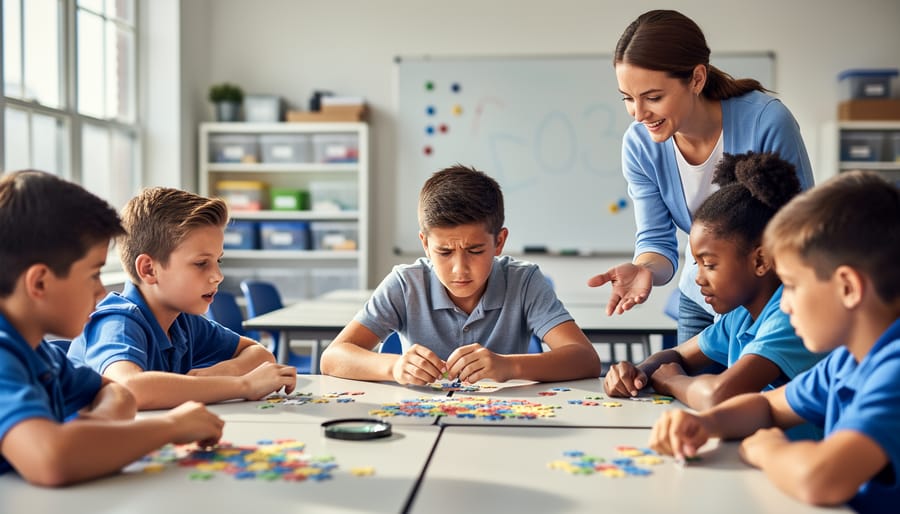
Why Critical Thinking IS a Skill (And How Your Students Can Master It)
Yes, critical thinking is absolutely a skill—and here’s the exciting part: you can teach it, strengthen it, and watch your students master it through intentional practice. Unlike fixed traits, critical thinking develops through repeated exposure to questioning, analyzing evidence, and evaluating multiple perspectives. Your classroom becomes the training ground where students learn to pause before accepting information, challenge assumptions, and construct well-reasoned arguments.
Think of critical thinking like learning to play an instrument. Students need consistent practice with specific techniques: asking “why” and “how” questions, identifying biases in sources, comparing different viewpoints, and drawing logical conclusions. When you break these components into manageable steps, even young learners can start building this essential skill.
The best news? You don’t need elaborate curricula to start. Simple adjustments to your daily lessons—like asking students to justify their answers, debate opposing viewpoints, or spot errors in reasoning—create powerful learning moments. Interactive games and customizable activities make practice feel natural rather than forced, helping students develop critical thinking habits without even realizing they’re building a lifelong skill. With the right approach, every student can become a stronger, more confident thinker.
What Makes Critical Thinking a Skill, Not Just Intelligence
Here’s the great news: critical thinking isn’t something you either have or don’t have from birth. It’s a skill you can absolutely teach and develop in your classroom, just like reading, writing, or solving math problems!
Think about it this way. Intelligence is more like your brain’s processing power—it’s relatively stable and hard to change. Critical thinking, on the other hand, is more like knowing how to ride a bike or play an instrument. Sure, some students might pick it up faster than others, but everyone can learn it with the right instruction and plenty of practice.
What makes critical thinking a genuine skill? It has specific, teachable components. When your students learn to ask better questions, evaluate sources, identify assumptions, or consider multiple perspectives, they’re building concrete abilities. These aren’t mysterious talents—they’re practical tools you can demonstrate, practice, and improve over time.
The most exciting part? Your students get better at critical thinking every single time they use it. Just like a basketball player improves with each practice session, your learners strengthen their analytical muscles with each challenge they tackle. That’s why creating consistent opportunities for thoughtful analysis in your classroom matters so much.
When you help students become independent thinkers, you’re not hoping they’re naturally gifted. You’re providing them with strategies, frameworks, and practice opportunities that build real capability. A student who struggles with critical thinking today can absolutely excel at it next month with your guidance and support.
The bottom line? Critical thinking is absolutely a skill, which means it’s completely within your power to teach it.
The Building Blocks Every Critical Thinker Needs
Asking Questions That Matter
Great news! Question-asking is absolutely a teachable skill, and it’s one of the most powerful ways to build critical thinking in your classroom. When students learn to ask meaningful questions, they move beyond simply accepting information to actively exploring it.
Start by modeling different types of questions. Show your students the difference between surface-level questions (What happened?) and deeper ones (Why did this happen? What if things were different?). Make it fun by turning question-asking into a game where students earn points for questions that spark interesting discussions.
Create a “Question of the Day” routine where students practice formulating their own inquiries about any topic you’re studying. Encourage them to challenge assumptions and dig deeper. You’ll notice their natural curiosity blooming as they realize questions are just as valuable as answers.
The best part? When students become skilled questioners, they take ownership of their learning journey. They start thinking independently and developing that critical thinking muscle we want them to build.
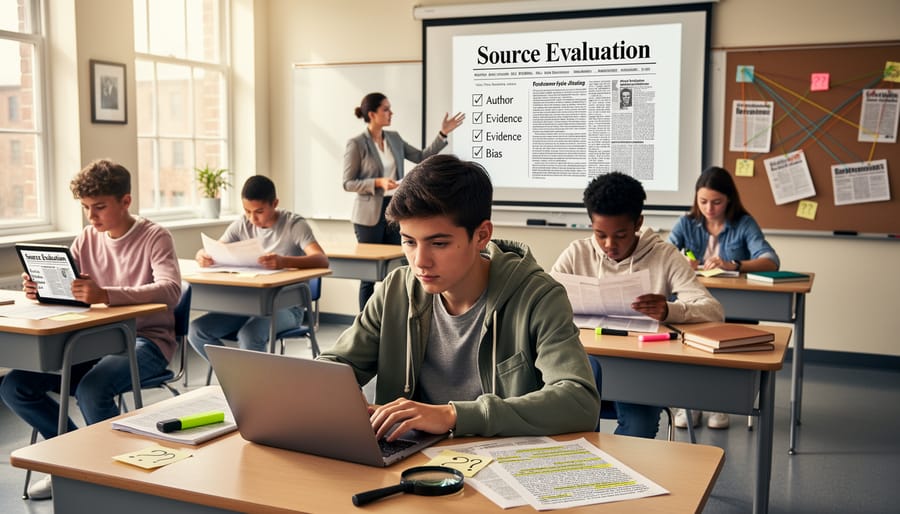
Evaluating Information Like a Detective
Turn your students into fact-checking detectives with activities that make source evaluation exciting! Start with fun comparison exercises where students examine two different articles about the same topic and spot the differences in perspective. Create detective notebooks where they record evidence of credibility like author credentials, publication dates, and cited sources. Play the “Real or Fake” game using age-appropriate examples to help them identify misleading headlines or questionable claims. Encourage students to ask detective questions: Who wrote this? Why did they write it? What evidence supports their claims? You can customize these activities based on your grade level, from simple picture-based sources for younger students to news articles for older ones. Making source evaluation feel like solving a mystery keeps students engaged while building essential skills they’ll use throughout their lives.
Making Connections Between Ideas
One of the most exciting aspects of critical thinking is watching students connect the dots between different subjects and ideas! When learners recognize patterns and relationships, they’re building bridges between isolated facts and creating meaningful understanding. You can foster this skill through simple yet powerful activities like asking students to compare how historical events mirror current situations, or how math concepts apply to real-world budgeting.
Try using concept mapping games where students visually link ideas together, showing how one topic relates to another. This works beautifully across all grade levels and subjects. Challenge your class to find connections between their memory and recall skills from different units or even different classes. The magic happens when students realize that learning isn’t compartmentalized but interconnected, making their knowledge more flexible and applicable to new situations they’ll encounter both inside and outside the classroom.
Drawing Thoughtful Conclusions
Drawing thoughtful conclusions is where critical thinking truly shines in your classroom! This skill helps students connect the dots between what they’ve learned and what it all means. When students reason through evidence, they’re not just guessing—they’re building logical pathways from observations to meaningful insights.
You can nurture this skill by encouraging students to ask “What does this tell us?” after examining information. Try having them compare different pieces of evidence and explain which supports their thinking best. Group discussions work wonderfully here, as students learn to defend their conclusions while staying open to new perspectives.
The beauty of conclusion-drawing is that it’s customizable for any subject or grade level. Whether analyzing story characters, science experiments, or historical events, students practice the same fundamental skill: thinking through evidence systematically to reach well-supported answers they can confidently explain.
How to Build Critical Thinking Skills in Your Classroom
Create a Question-Rich Environment
Transform your classroom into a curiosity hub by making questions as natural as breathing! Start each lesson with an intriguing prompt or puzzle that sparks wonder. Instead of immediately answering student questions, practice the friendly bounce-back technique: “That’s a great question! What do you think?” or “How might we find out together?”
Create a dedicated question board where students post their wonderings throughout the week. Celebrate curious thinking by highlighting one “Question of the Day” and exploring it as a class. Mix things up with question dice or random question generators that keep students on their toes.
Try “No Hands Up” strategies where everyone prepares answers, removing the pressure of volunteering while building confident thinkers. Encourage students to question each other’s ideas respectfully with sentence starters like “Have you considered…” or “What if we looked at it this way?”
Remember, the goal isn’t just getting the right answer but exploring how we get there. When questioning becomes routine, critical thinking flourishes naturally!
Use Games and Puzzles as Training Grounds
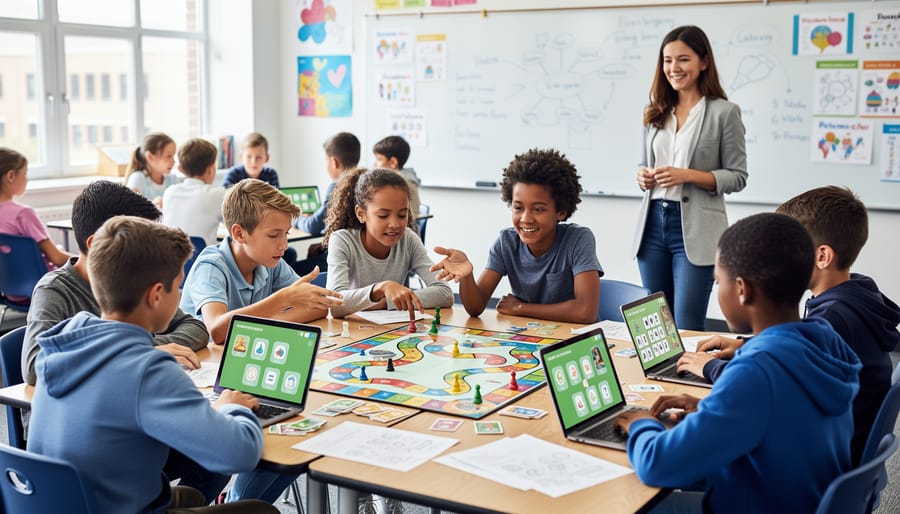
Here’s the exciting news: your students are already building critical thinking skills every time they play a game! Board games, card games, and puzzles are natural training grounds for developing these essential abilities. When students play strategy games like chess or checkers, they’re evaluating multiple moves ahead and weighing consequences. Card games teach pattern recognition and probability assessment. Even simple brainteasers challenge learners to approach problems from fresh angles and test different solutions.
The beauty of game-based learning is that students don’t realize they’re working hard because they’re having fun! They’re naturally motivated to think deeper, analyze situations, and make informed decisions when the stakes feel real within the game context. Plus, games provide immediate feedback, letting students see the results of their thinking in action.
Want to make review sessions more engaging? Transform traditional study time into game time. You can customize activities to match your specific learning objectives while keeping students energized and thinking critically. The competitive element adds excitement, and the collaborative aspects of many games encourage students to explain their reasoning to peers, strengthening their analytical skills even further.
Practice Real-World Problem Solving
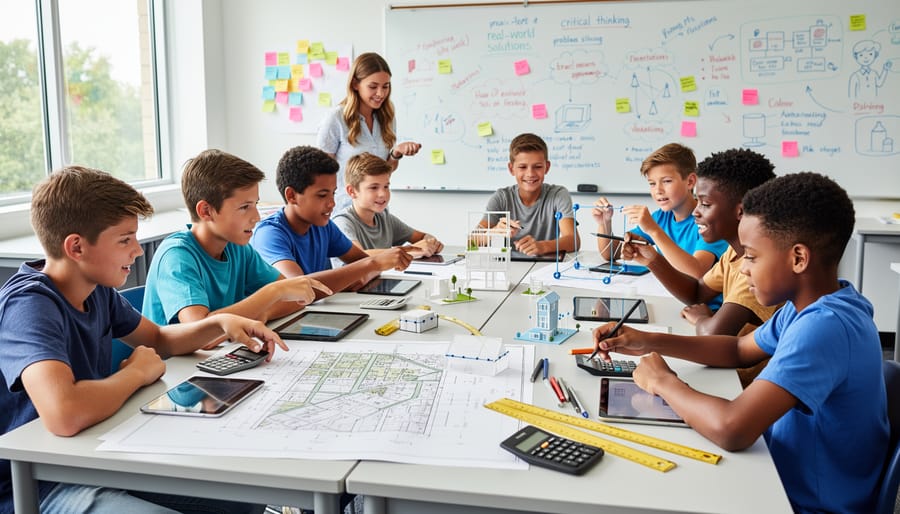
Here’s the exciting part: critical thinking truly comes alive when students tackle problems that matter to them! Instead of abstract exercises, bring in scenarios they might actually face. Challenge younger students to design a recycling program for your classroom or plan a healthy snack menu within a budget. Older students can analyze local community issues, evaluate news articles for bias, or debate solutions to environmental challenges.
The key is making it authentic. Use current events, school situations, or neighborhood concerns as your starting point. Ask students to research, brainstorm solutions, weigh pros and cons, and defend their reasoning. You’ll be amazed how engaged they become when the problem feels real! Even better, let students choose topics they’re passionate about. This customization transforms critical thinking from a checkbox skill into a powerful tool they’ll use beyond your classroom walls.
Build in Reflection Time
Here’s the thing about critical thinking—it gets stronger when students actually think about their own thinking! This process, called metacognition, is like giving your brain a workout mirror. When students pause to reflect on how they solved a problem or why they chose a particular approach, they’re building awareness of their thought patterns.
Make reflection a regular classroom habit by dedicating just five minutes after activities for students to share what strategies worked and what didn’t. Try simple prompts like “What was the hardest part of this task?” or “How would you approach this differently next time?” These quick check-ins help students recognize their strengths and identify areas for growth.
You can even create reflection journals or exit tickets where students document their thinking journey. This practice helps build independent thinking skills while reinforcing the idea that critical thinking improves with intentional practice and self-awareness!
The Proof: Research Shows Critical Thinking Can Be Taught
Here’s the good news that’ll make your day: research consistently shows that critical thinking absolutely can be taught! You’re not spinning your wheels when you dedicate class time to developing these skills.
Studies from education researchers have demonstrated that students who receive targeted instruction in critical thinking show measurable improvements in their reasoning abilities. A comprehensive analysis of educational research found that explicit teaching of critical thinking strategies leads to better problem-solving skills, improved decision-making, and stronger analytical abilities across all grade levels.
What makes this even more encouraging? The improvements stick around! When students practice critical thinking regularly through engaging activities and real-world challenges, they develop habits of mind that transfer to new situations. It’s not just about memorizing facts—students actually learn how to think more effectively.
The secret ingredient is intentional, structured practice. Students need opportunities to question, analyze, compare, and evaluate in supportive environments where mistakes become learning moments. Think of it like learning to play an instrument—natural talent helps, but consistent practice with good instruction makes the real difference.
This research validates what many educators instinctively know: your efforts to build critical thinking skills are creating lasting change in your students’ abilities. Whether you’re teaching kindergartners to compare and contrast or high schoolers to evaluate complex arguments, you’re developing skills that will serve them throughout their lives. Every questioning prompt, every thought-provoking discussion, and every problem-solving challenge contributes to their growth as thinkers.
Making It Stick: From Skill Practice to Lifelong Habit
Here’s the great news: with consistent practice, critical thinking transforms from something students consciously work at into an automatic response they carry throughout their lives. Think of it like learning to ride a bike—at first, every movement requires focus, but eventually it becomes second nature.
The key is mixing things up! When students practice applying thinking skills across different subjects and real-world scenarios, they develop flexible thinking patterns that stick. One day they’re analyzing a story’s theme, the next they’re evaluating solutions to a math problem, and suddenly they’re using those same skills to navigate friendship challenges.
Regular classroom games and interactive activities make this repetition feel fresh and exciting rather than tedious. Students barely realize they’re building a lifelong skill because they’re having fun! The beautiful part? These thinking habits extend far beyond your classroom walls. Students who develop strong critical thinking skills become better problem-solvers, more informed citizens, and confident decision-makers in their personal and professional lives. You’re not just teaching a skill—you’re equipping them with a superpower they’ll use forever.
So, is critical thinking a skill? Absolutely! And here’s the exciting part: it’s a skill that every student can develop with the right guidance and practice. Just like learning to read or solve math problems, critical thinking improves when students engage with it regularly in meaningful ways.
The key is making critical thinking practice a natural part of your classroom routine. When you weave skill-building activities into your daily lessons, you’re giving students countless opportunities to strengthen their analytical abilities without it feeling like extra work. They’ll be thinking critically while having fun, which is exactly what makes learning stick.
Remember, the best critical thinking development happens when students are genuinely engaged. Classroom games and interactive activities transform abstract concepts into hands-on experiences that students actually enjoy. When learning feels like play, students participate more enthusiastically, take creative risks, and develop stronger thinking skills naturally.
Start small by incorporating one or two engaging activities each week, then build from there. Your students will surprise you with how quickly their critical thinking abilities grow. With consistency, creativity, and the right tools, you’ll watch your classroom transform into a space where thoughtful analysis becomes second nature to every learner.