
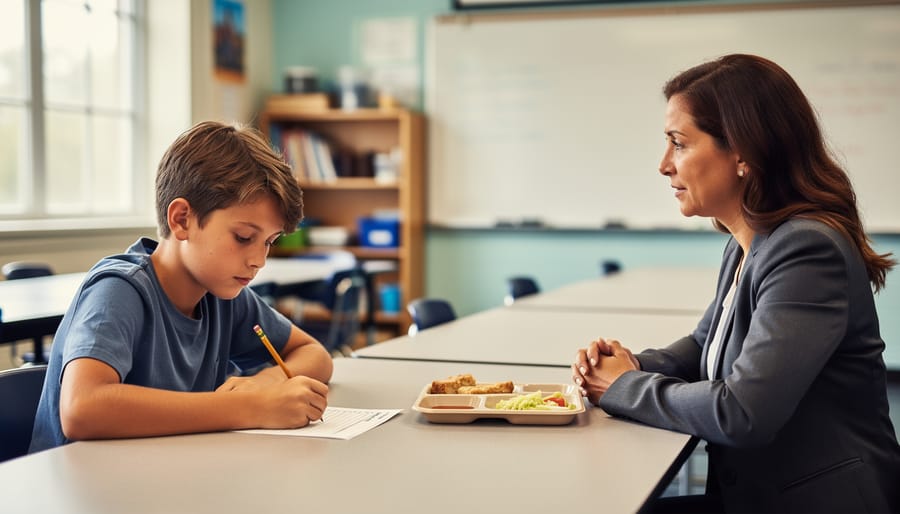
Turn Lunch Detention Into a Learning Moment Your Students Will Actually Remember
Transform lunch detention from punishment into a powerful learning moment by handing students a reflection form that prompts genuine self-assessment. Replace vague “Why are you here?” questions with specific prompts that guide students to identify the exact behavior, understand its impact on others, and create concrete plans for better choices next time. Design your form with age-appropriate language and keep it to one page—younger students respond better to simple sentence starters and drawing spaces, while older students benefit from open-ended questions that require thoughtful written responses. Include a section where students identify one positive action they can take tomorrow, turning the detention period into forward-thinking problem-solving rather than dwelling on past mistakes. Customize your template to match your classroom values and school-wide expectations, making the reflection process feel connected to your everyday teaching rather than an isolated consequence. The key is creating a structured thinking process that students can internalize and apply independently when facing future challenges.
Why Traditional Detention Falls Short (And What Works Instead)
Let’s be honest—traditional detention often feels like putting a band-aid on a broken arm. Students sit in silence, watch the clock, and leave without understanding what went wrong or how to make better choices next time. It’s punitive rather than productive, and it misses a golden opportunity for real growth.
Here’s the thing: detention doesn’t have to be a dead-end. When we shift our mindset from punishment to reflection, something amazing happens. Students actually learn from their mistakes instead of just resenting the consequences.
Think about how you wrap up classroom games. You don’t just announce a winner and move on, right? You debrief. You ask what worked, what didn’t, and what students would do differently. The same game debriefing principles that make your review activities so powerful can transform detention too.
Reflective detention treats behavioral missteps like teachable moments. Instead of silent suffering, students engage with guided questions that help them process their actions, understand consequences, and plan for better choices. It’s structured, purposeful, and—here’s the best part—it actually works.
The magic lies in giving students ownership of their learning. When they write out their thoughts, identify triggers, and brainstorm solutions, they’re actively participating in their own growth. You’re not the “bad guy” enforcing punishment; you’re the coach helping them level up their decision-making skills.
Plus, these reflection forms create documentation that’s genuinely useful. Instead of just marking down “served detention,” you have meaningful insights into student thinking patterns and progress over time. It’s win-win: students develop self-awareness, and you gain valuable information to support them better.

What Makes a Lunch Detention Reflection Form Effective
The Opening Question That Changes Everything
The magic happens right at the top of your form with how you phrase that very first question. Instead of asking “What did you do wrong?”—which immediately puts students on the defensive—try something that opens the door to real conversation.
Consider starting with: “What happened that brought you here today?” This simple shift invites students to tell their story rather than admit guilt. You’re not letting them off the hook, but you’re creating space for honest reflection.
Another powerful opener is: “Walk me through what was going on before the incident.” This gets students thinking about context and triggers, which helps them understand patterns in their own behavior.
The goal is curiosity, not accusation. When students feel safe enough to be truthful, that’s when the real learning begins. You can always customize this opening question based on your students’ ages and the specific situation. For younger learners, you might ask, “Can you help me understand what happened?” For older students, try, “What choices led to this moment?”
Remember, this isn’t about making detention comfortable—it’s about making it meaningful. The right opening question sets the tone for everything that follows.
Moving From ‘What Happened’ to ‘What’s Next’
The magic happens when your reflection form helps students shift their thinking forward. Start with descriptive questions that acknowledge what occurred, but keep these brief. Ask straightforward questions like “What happened today?” or “What choice did you make?” This gives students a chance to process the incident without dwelling on it.
Then comes the pivot. This is where you guide students toward growth with future-focused questions. Try prompts like “What will you do differently next time?” or “What strategy could help you make a better choice?” These questions transform detention from punishment into planning time.
Here’s a winning structure: Begin with 2-3 questions about the incident, then transition to 3-4 action-oriented questions. You might include “Who can support you in making better choices?” or “What’s one specific step you’ll take tomorrow?” This balance acknowledges the past while emphasizing future success.
The best part? You can customize these questions based on your students’ ages and needs. Younger students might benefit from simple sentence starters or drawing spaces, while older students can handle more detailed reflection prompts. The goal is always the same: turning today’s mistake into tomorrow’s lesson.
Building in Accountability Without Shame
The magic of reflection forms lies in creating accountability that builds students up rather than tears them down. Think of it as coaching rather than criticizing. Your form should help students identify what went wrong while empowering them to make better choices next time.
Include questions that acknowledge their feelings and perspectives alongside ones about their actions. Instead of “Why did you misbehave?” try “What was happening before the incident?” This shift encourages honest reflection without defensiveness.
Always end on a forward-looking note. Ask students to create an action plan or identify one positive step they’ll take. This transforms detention from punishment into a genuine learning moment. When students see you’re on their side, they’re more likely to engage meaningfully with the process. Remember, the goal is growth, not guilt. Your supportive approach sets the tone for real behavioral change and helps students see detention as a chance to reset and refocus.
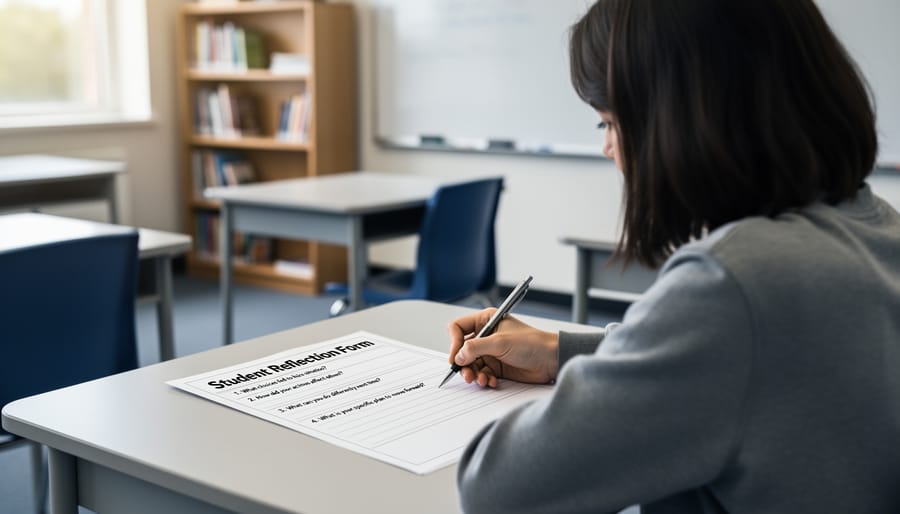
Your Ready-to-Use Lunch Detention Reflection Template
Section 1: Understanding the Situation
This first section helps students press pause and think about what actually happened. Instead of jumping straight to consequences, we’re creating space for genuine reflection. Here’s where the magic happens—students start connecting actions to outcomes!
Start with simple, direct questions that get everyone on the same page:
What brought you here today? Let students describe the situation in their own words. You’ll often discover their perspective reveals important details you might have missed.
What were you doing right before the incident occurred? This helps identify triggers and patterns. Maybe they were hungry, frustrated from a previous class, or reacting to peer pressure.
Who else was involved? Understanding the full picture matters. This isn’t about tattling—it’s about recognizing how our actions affect others and the classroom community.
What rule or expectation was broken? This question reinforces your classroom standards while checking if students actually understand why they’re in detention.
Keep questions short, clear, and non-threatening. Remember, this isn’t an interrogation—it’s a learning moment! The goal is helping students become more self-aware and take ownership of their choices. When students feel heard rather than lectured, they’re more likely to engage authentically with the reflection process.
Section 2: Recognizing Impact
This is where the magic happens! The heart of any effective reflection form is helping students understand how their choices rippled outward. Instead of just listing what they did wrong, guide them to think about the real impact.
Try questions like: “Who was affected by your actions today?” or “How do you think your classmate felt when this happened?” These prompts encourage students to step into someone else’s shoes, which is way more powerful than a lecture.
You can also ask them to consider consequences they might not have thought about: “How did your behavior affect the class’s learning time?” or “What did you miss out on because of this choice?” This builds awareness without making them feel attacked.
The beauty of these prompts is their flexibility. Customize them based on the specific situation and your student’s age level. Younger students might need simpler language like “How did this make others feel?” while older students can handle more complex questions about community impact and personal responsibility. The goal is genuine understanding, not just getting through the form.
Section 3: Planning for Success
This is where the magic happens! The forward-looking section transforms detention from punishment into preparation. Here’s where you help students create their game plan for success.
Start with clarity: “What will you do differently next time?” This straightforward question gets students thinking practically. You might add “Be specific!” to encourage detailed answers rather than vague promises.
Follow up with “What help do you need to make better choices?” This empowers students to identify support systems, whether it’s sitting closer to the teacher, asking for help earlier, or finding a buddy to keep them accountable.
Include an action commitment: “I will…” with space for students to write one concrete step they’ll take. Making this promise in writing increases follow-through significantly.
Consider adding “How will you know you’re making progress?” This teaches self-monitoring skills that extend beyond this single incident.
Keep these questions positive and achievable. You’re building confidence, not adding pressure. The goal is helping students visualize success rather than dwelling on failure. When students leave detention with a clear plan and belief in their ability to improve, you’ve turned a negative consequence into a genuine teaching moment that sticks with them long after they return to class.
Making Reflection Forms Work With Your Game-Based Classroom
Here’s the exciting part: your lunch detention reflection form isn’t separate from your game-based classroom—it’s actually another tool in your engagement toolkit! Just like you use games to make learning stick, you can use reflection to make behavior lessons stick too.
Think about how you already wrap up classroom games. You probably ask questions like “What strategy worked best?” or “What would you do differently next time?” Your detention reflection form uses the same approach. Instead of punishment, you’re facilitating a learning debrief about choices and consequences.
The key is maintaining your classroom’s positive, growth-focused vibe. If students know your classroom as a place where mistakes in math games are learning opportunities, detention should feel the same way. You’re not changing who you are as a teacher—you’re staying consistent.
Here’s how to keep everything aligned. Use similar language in your reflection form that you use during game debriefs. If you typically say “What’s one thing you learned?” after a review game, echo that phrasing in your detention questions. Students will recognize the pattern and understand that reflection is just part of how your classroom works.
Many teachers find success using structured reflection templates for both game debriefs and behavior conversations. The 3-2-1 format works beautifully: 3 things that happened, 2 feelings you experienced, 1 thing you’ll change. It’s familiar, comfortable, and effective.
You can even gamify the reflection process itself. Consider offering students a “clean slate” token after completing thoughtful reflections, or let them choose from different reflection formats just like they choose different game roles. The goal is making reflection feel like another engaging classroom activity, not a separate punishment system. When students see consistency between your fun activities and your management approach, they understand that growth and learning happen everywhere in your room.
Customization Tips for Different Grade Levels and Situations
Making your reflection form work for everyone means tweaking it to match where your students are developmentally. The good news? A few simple adjustments can make all the difference!
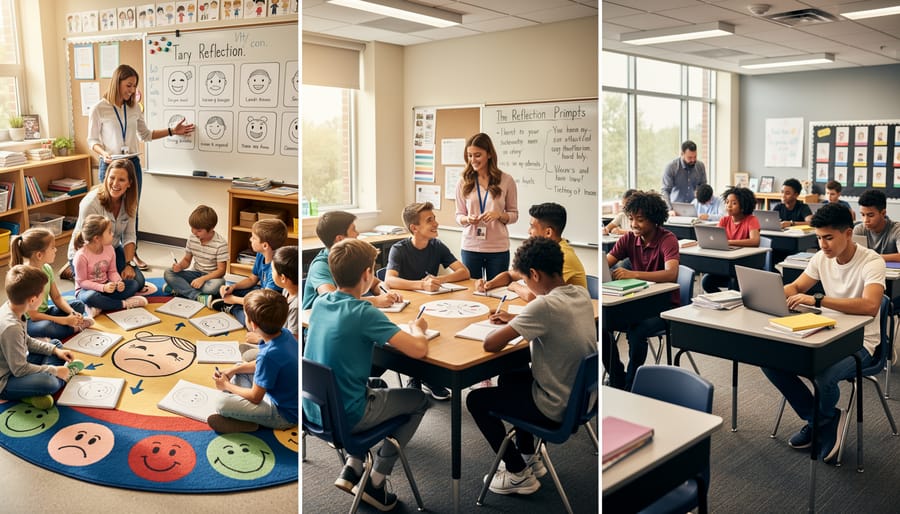
For elementary students, keep it super simple and visual. Use sentence starters like “I made a mistake when I…” or “Next time I will…” Consider adding emoji faces for feeling identification or a small drawing box where younger students can illustrate what happened. Questions should be concrete and immediate, focusing on the specific action rather than abstract concepts.
Middle schoolers benefit from a bit more depth while still needing structure. Add questions that explore peer relationships and social dynamics, since these matter hugely at this age. Try prompts like “How did my choice affect others?” or “What was I really trying to accomplish?” This age group can handle slightly longer responses but still needs clear boundaries.
High school students can tackle the full reflection experience. Include questions about patterns in their behavior, long-term consequences, and personal responsibility. You might add sections for goal-setting or action plans. They can handle open-ended questions and benefit from connecting their choices to future implications.
When it comes to different grade levels and behavioral issues, customize accordingly. For disruption-related detentions, focus on self-regulation strategies. For peer conflicts, emphasize empathy and perspective-taking. Academic integrity issues need questions about honesty and decision-making processes.
Remember to keep every version positive and growth-focused. The goal is learning, not punishment. Your customization shows students you see them as individuals capable of growth!
Lunch detention doesn’t have to be a dead-end experience for students. When paired with thoughtful reflection forms, it becomes another valuable component in your classroom management toolkit—one that teaches accountability and self-awareness rather than just punishment.
Think of reflection forms as the debrief after a challenging game. Just like you’d help students analyze what went wrong during a classroom activity and how to improve next time, detention reflection guides them through the same process with their behavior choices. This approach fits perfectly with game-based learning principles: every mistake is a chance to level up and try again.
The beauty of reflection forms is their flexibility. Customize them for different grade levels, situations, and student needs. Keep them short for younger learners, add more depth for older students, or create different versions for various infractions. The goal remains the same—helping students develop a growth mindset about their choices.
Remember, effective classroom management isn’t about being the strictest teacher in the building. It’s about giving students the tools they need to succeed, even when they stumble. Reflection forms during lunch detention provide that structure, turning a consequence into a teaching moment. Your students will leave detention not just having served time, but having gained insight into themselves and their actions—and that’s a win for everyone.