How Peer-Mediated Intervention Transforms Classroom Games Into Powerful Social Learning Tools
Transform students into teachers by training peers to support classmates during game-based activities. Select confident students who demonstrate patience and strong communication skills, then teach them specific prompting techniques like “What strategy could help you here?” rather than giving direct answers. This approach builds inclusive classroom environments where every student contributes meaningfully.
Pair students strategically by matching those who need support with peer mentors who can model problem-solving during review games. Rotate these partnerships regularly so all students experience both roles, preventing dependency and building confidence across your entire class.
Customize your game templates to include designated peer helper roles. Add specific responsibilities like “encourager,” “hint-giver,” or “progress checker” directly into the game structure. When students know their collaborative role from the start, they engage more naturally in supporting one another.
Align peer-mediated strategies with UDL principles by offering multiple ways for peers to assist. Some students might explain concepts verbally while others demonstrate visually or through hands-on guidance. This flexibility ensures every learner benefits regardless of their preferred learning style.
Monitor peer interactions during gameplay and provide quick feedback. Celebrate effective peer support with specific praise like “I noticed how you asked guiding questions instead of giving the answer.” This reinforcement helps students refine their mentoring skills while keeping the classroom atmosphere positive and growth-focused.
The beauty of peer-mediated intervention lies in its simplicity. You are not redesigning your entire teaching approach but rather empowering students to become active participants in each other’s learning journey through the games you already love using.
What Is Peer-Mediated Intervention?
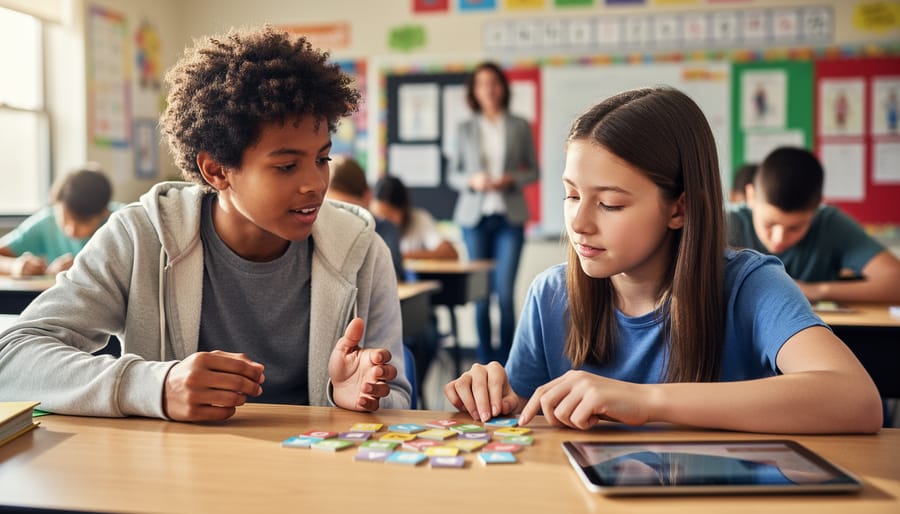
Peer-mediated intervention is a teaching strategy where students become active helpers in their classmates’ learning journey. Instead of the teacher being the only source of support, students work together in structured ways to help each other develop academic skills, social abilities, and confidence.
Here’s how it works in your classroom: You train specific students to support their peers through planned activities and interactions. These peer helpers might model positive behaviors, provide encouragement during challenging tasks, or guide a classmate through steps in a group activity. The key word here is “structured.” This isn’t just random group work where you hope kids figure things out. You’re intentionally teaching some students how to be effective helpers, then creating opportunities for them to use those skills.
Think of it like this: Instead of you always being the one to explain how a game works or encourage a reluctant student to participate, you empower other students to take on these supportive roles. One student might demonstrate how to answer review questions, while another celebrates when their partner gets something right.
What makes peer-mediated intervention so powerful is that it benefits everyone involved. The students receiving support get help from someone who speaks their language and understands their perspective. The peer helpers strengthen their own understanding by teaching others and develop leadership skills. Plus, learning from a classmate often feels less intimidating than constant adult intervention.
This approach works beautifully in game-based learning environments, where collaboration and interaction already happen naturally. You’re simply adding intentional structure to make those peer connections even more meaningful and inclusive for all students.
Why Your Review Games Are Perfect for Peer Support
Built-In Collaboration Opportunities
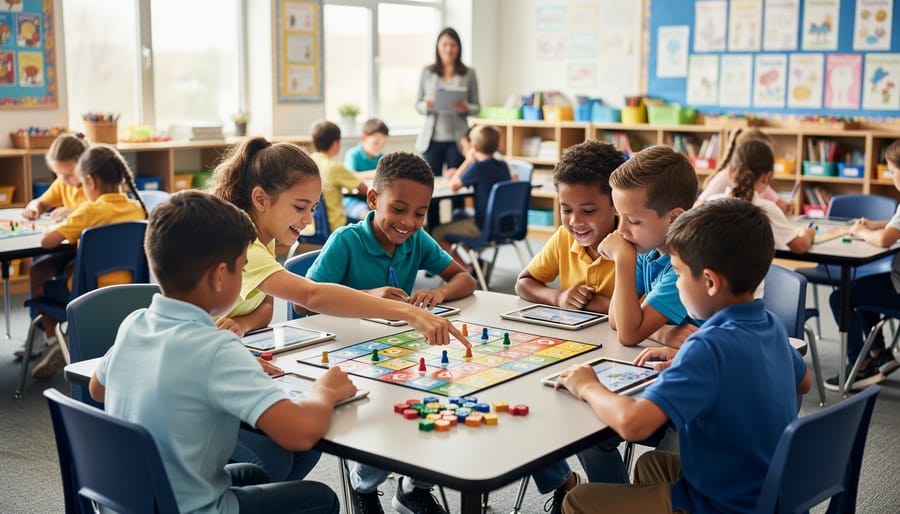
Here’s the great news: team-based review games naturally create perfect conditions for peer interaction without you having to orchestrate every moment! When students work together toward a shared goal, collaboration happens organically. Think about it – in a team quiz game, students automatically huddle to discuss answers, share their thinking, and support teammates who might be struggling with a concept.
The magic lies in the structure. Games that require team consensus encourage students to explain their reasoning to peers, which reinforces learning for everyone involved. Your more confident students become natural peer mentors, while those who need extra support receive help in a low-pressure, fun environment. This is peer-mediated intervention in action, but it feels like play rather than formal instruction.
You can amplify these collaboration opportunities through simple design choices. Create games where teams must agree on answers before submitting, or add bonus rounds where students teach concepts to teammates. The competitive element keeps energy high, while the team format ensures no one succeeds alone. Your role shifts from constant instructor to facilitator, letting students drive their own learning through meaningful peer connections.
Low-Pressure Learning Environment
Games naturally create a low-pressure learning environment where students feel comfortable taking risks and supporting one another. Unlike traditional testing situations, game-based learning removes the high-stakes pressure that often triggers anxiety in struggling students.
When you incorporate peer-mediated intervention into classroom games, you’re giving students permission to learn through play. The game format disguises the learning process, making it feel less intimidating. Students who might hesitate to ask questions during regular instruction suddenly feel empowered to seek help from teammates.
This safe space is especially powerful because games normalize making mistakes. When everyone is playing together, errors become part of the fun rather than sources of embarrassment. Students quickly realize that helping each other leads to better outcomes for the whole team.
The best part? You can customize any review game to maximize this supportive atmosphere. Keep teams small, allow students to choose partners they trust, and celebrate collaborative wins rather than individual performance. This approach builds confidence while reinforcing that learning is a team effort, not a solo competition.
Simple Ways to Add Peer-Mediated Support to Your Game Templates
Strategic Team Pairing
The magic of peer-mediated intervention really shines when you thoughtfully pair students together. Think of yourself as a matchmaker, creating partnerships that bring out the best in everyone!
Start by mixing ability levels strategically. Pair students who have mastered a skill with those still developing it, but keep the gap manageable so both students feel capable and engaged. Avoid always pairing your highest achievers with students who need the most support, as this can lead to burnout and resentment.
Consider personality and communication styles too. Sometimes your quiet, patient student makes an excellent peer mentor, while your enthusiastic leader might energize a hesitant classmate. Rotate partnerships regularly to build classroom community and prevent dependency.
Here’s a fun tip: let students have some choice in pairing occasionally! You might create “expert badges” for different game skills, then allow students to seek help from designated experts during review activities. This builds confidence and ownership.
Remember, successful pairing isn’t one-size-fits-all. Observe what works, adjust as needed, and celebrate when you see students genuinely supporting each other’s learning. Your intentional grouping creates the foundation for meaningful peer interactions that benefit everyone involved.
Assign Peer Helper Roles
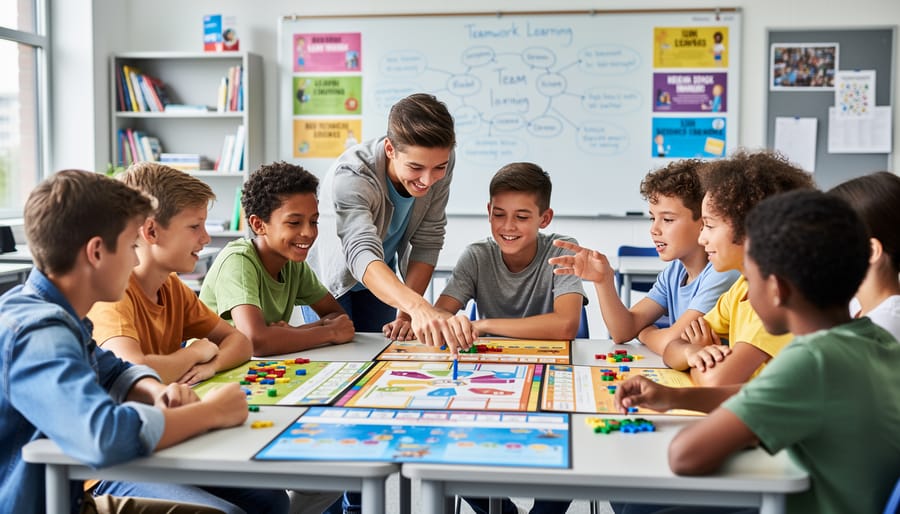
Give your students specific jobs that make collaboration natural and purposeful! When everyone has a role, participation becomes automatic, and students feel valued for their unique contributions.
Start by creating helper roles matched to your game activity. For review games, try assigning a Question Reader who shares prompts with the group, a Score Keeper who tracks team points, or a Materials Manager who handles game pieces and cards. These roles work beautifully because they give every student a clear way to participate, regardless of academic level.
Rotate roles regularly so everyone experiences different responsibilities. This rotation keeps things fresh and helps students develop various skills. A shy student might blossom as a Cheerleader, while a student who struggles with content can shine as the Timer or Team Spokesperson.
The magic happens when you customize roles based on your classroom needs. Create a Tech Helper for digital games, a Strategy Coach who helps teams plan answers, or a Encouragement Captain who celebrates effort. You can even let students design their own helper roles, which adds excitement and ownership to the process.
Remember, the goal is making support feel natural, not forced. When students have meaningful jobs, they’re more engaged and naturally support each other’s learning.
Build in Think-Pair-Share Moments
Give students time to talk before revealing the answer! After posing a question, use the classic Think-Pair-Share approach. First, students think independently for 30 seconds. Then, they pair up with a neighbor to discuss their reasoning. This simple routine transforms passive waiting into active peer learning.
The magic happens in those paired conversations. Students explain their thinking, compare strategies, and build confidence together. Struggling learners get support from peers, while advanced students deepen understanding by teaching others.
Make it easy by setting clear time limits. Try “You have one minute to share your answer with your partner—go!” This structure keeps energy high and ensures everyone participates. When you finally reveal the answer, students are invested because they’ve already committed to their thinking and heard alternative perspectives.
Celebrate Collaborative Wins
Shift the focus from individual achievement to collective success by adjusting how you award points. Instead of only recognizing correct answers, create bonus points when students help each other. For example, award team points when a peer explains a concept or when partners collaborate to solve a problem together. You can also celebrate moments when students encourage classmates who are struggling or when they choose to work together rather than compete. Consider adding a special “Helper of the Round” designation or creating a collaboration streak tracker on your scoreboard. This simple tweak transforms your game into a celebration of kindness and support, reinforcing that learning is better together. When students see their helpful actions valued just as much as right answers, they naturally become more invested in each other’s success, creating an inclusive environment where everyone feels supported and motivated to participate.
Real Classroom Benefits You’ll Notice Right Away
When you start using peer-mediated supports during your review games, you’ll see the difference almost immediately. Students who typically sit quietly or hesitate to participate suddenly have a built-in support system. Their peer partners help them feel safe to take risks, share answers, and join the fun without fear of embarrassment.
You’ll notice increased participation across the board. Instead of the same five hands shooting up every time, more students engage because they’ve had a chance to rehearse their thinking with a partner first. This confidence boost is especially powerful for English language learners and students with learning differences who benefit from that extra processing time.
Academic growth becomes more visible too. Through game-based learning with peer supports, you’ll hear students explaining concepts to each other in their own words, which deepens understanding for both the helper and the student receiving support. This peer teaching reinforces content in ways that traditional instruction alone cannot achieve.
The social-emotional benefits are equally impressive. Students develop empathy as they learn to support classmates with different needs. Friendships form across typical social boundaries when students work together toward common goals during game time. You’ll observe improved communication skills, patience, and collaborative problem-solving.
Perhaps the best part? Your classroom culture shifts. Instead of competition creating anxiety, games become opportunities for collective success. Students cheer for each other, celebrate small victories together, and genuinely want their peers to succeed. This positive atmosphere extends beyond game time, creating a more inclusive and supportive learning environment throughout your entire day. These aren’t just nice extras; they’re fundamental skills that prepare students for real-world collaboration.
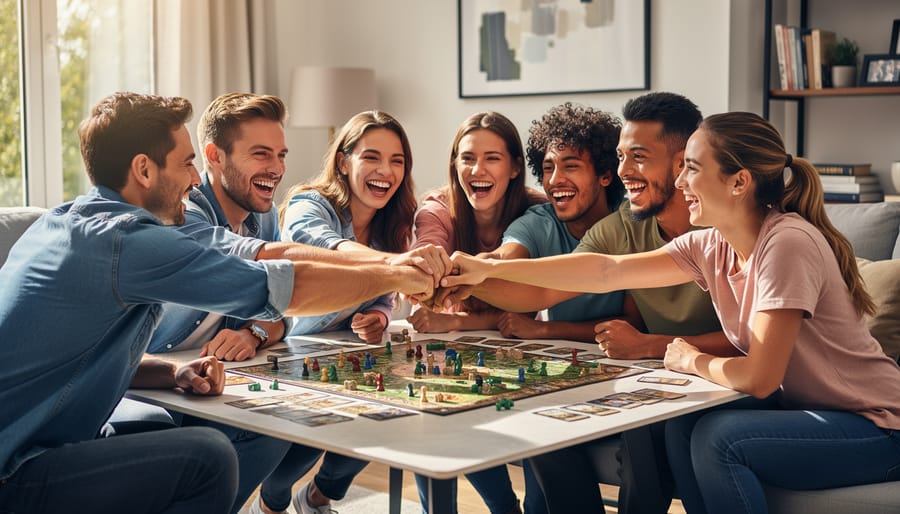
Getting Started: Your First Peer-Mediated Game Session
Ready to try peer-mediated intervention in your classroom? Let’s walk through your first game session together. You’ve got this!
Start with preparation the day before. Choose a simple review game that your students already enjoy. Pick 2-4 students who are naturally helpful and patient to be your peer coaches. Pull them aside briefly and explain: “Tomorrow, you’re going to help your classmates during our game. Your job is to encourage everyone, help explain questions, and make sure nobody feels left out.” Keep it simple and positive.
On game day, arrange students into small mixed-ability groups of 3-5 players. Place one peer coach in each group. Before starting, address the whole class: “Today we’re playing together in teams. Your team captains are here to help everyone participate and have fun. Remember, we’re all learning together, and everyone’s ideas matter.”
During the session, your role shifts from instructor to cheerful observer. Walk around and listen. You’ll hear peer coaches naturally explaining concepts in kid-friendly language, encouraging quieter students to share answers, and celebrating small wins. If you notice a coach struggling, offer quick support: “Great job helping! Maybe ask if anyone else has ideas too.”
Keep the first session short, around 15-20 minutes. This prevents overwhelm and lets you end on a high note. Afterwards, gather feedback from your peer coaches first. Ask what went well and what felt tricky. Then check in with the whole class about what they enjoyed.
The beauty of this approach is its flexibility. You can customize any game template to work with peer mediation. Start small, celebrate progress, and watch your classroom transform into a collaborative learning community where students genuinely support each other’s success.
The beauty of peer-mediated intervention is that it doesn’t require you to reinvent the wheel. You’re already running review games and activities in your classroom—now you’re just making small, intentional adjustments that open doors for more students to participate meaningfully.
Start simple. Choose one strategy from this guide and try it in your next review game. Maybe you’ll add structured partner roles to your quiz activity, or perhaps you’ll create mixed-ability teams instead of letting students self-select. These small tweaks can make a huge difference in how students interact and support each other.
Remember, the goal isn’t perfection. Some strategies will work beautifully with your class, while others might need adjustment. That’s completely normal! The key is creating opportunities for peer support and collaboration, then observing what helps your students thrive.
As you get comfortable with one approach, layer in another. You might start with strategic grouping, then add peer modeling elements, and eventually incorporate celebration of collaborative success. Each addition strengthens the supportive learning environment you’re building.
Your existing game-based review activities are already engaging and fun. By weaving in peer-mediated strategies, you’re ensuring that engagement reaches every student in your classroom. You’re not just reviewing content—you’re building a community where students learn from and with each other. And that’s something worth celebrating.