
How CTE Career Pathways Transform High School into Real-World Success
CTE career pathways transform traditional high school education by connecting classroom learning directly to real-world careers. These structured programs guide students through sequential courses in fields like healthcare, information technology, manufacturing, and hospitality, building both technical skills and workplace readiness from grades 9 through 12.
Think of career pathways as roadmaps where each course builds on the previous one, creating a clear progression from foundational knowledge to industry certification. Students explore careers early, gain hands-on experience through internships and apprenticeships, and graduate with marketable credentials that open doors to immediate employment or advanced training.
As an educator in a CTE pathway, you’re not just teaching content—you’re mentoring future professionals. Your classroom becomes a dynamic space where students tackle authentic industry problems, use professional-grade equipment, and develop the soft skills employers desperately need. The beauty of CTE is its flexibility: you can customize instruction to match your students’ interests while meeting rigorous academic standards.
Whether you’re new to career and technical education or looking to energize your existing program, understanding how pathways work and implementing engaging teaching strategies will help your students discover their potential and launch meaningful careers right after graduation.
What Makes CTE Career Pathways Different from Traditional High School Programs
The Three-Part Structure That Works
Think of CTE pathways as a learning journey with three exciting stops along the way. First up are your foundational courses, where students build essential skills in areas like communication, problem-solving, and basic technical knowledge. These classes lay the groundwork for everything that comes next.
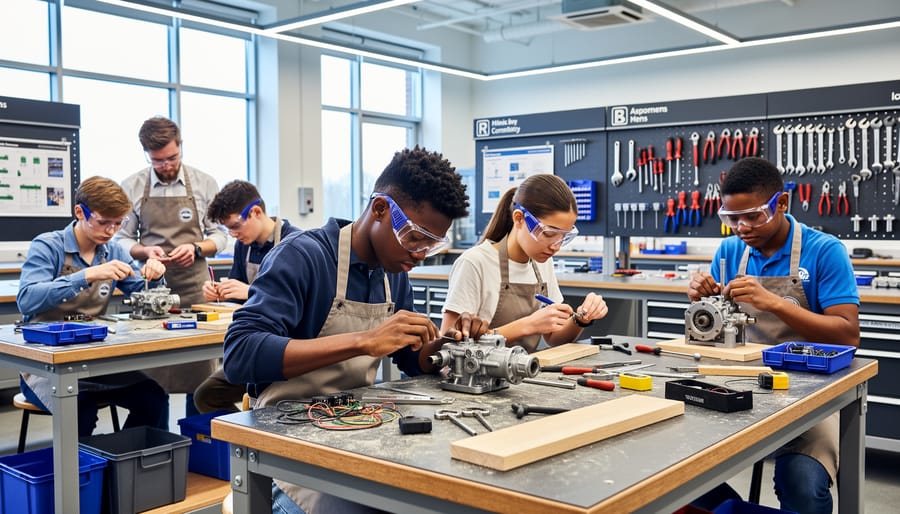
The second part brings pathway-specific classes into the mix. This is where things get really interesting! Students dive deep into their chosen field, whether that’s healthcare, engineering, information technology, or another career area. These courses aren’t just theory—they’re hands-on, engaging, and designed to mirror what professionals actually do in the workplace.
The final piece completes the puzzle with real-world experiences. We’re talking internships, apprenticeships, job shadowing, and industry certifications. This is where students take their classroom learning and apply it in actual work environments. They build professional networks, gain confidence, and graduate with experience that makes them stand out.
What makes this structure so powerful? Each part builds naturally on the previous one, creating a cohesive learning experience that takes students from “I’m curious about this field” to “I’m ready to succeed in this career.” It’s personalized, practical, and incredibly motivating for students who thrive when they see the real-world connection to their education.
Why Students Stay More Engaged
Here’s the truth: students tune in when they see the point. CTE career pathways create that spark because learning isn’t abstract anymore. When your students understand that mastering a concept in your classroom connects directly to a real job they’re interested in, motivation naturally increases. They’re not just learning for a test; they’re building skills for their actual future.
This connection makes a huge difference in participation and effort. Students in CTE programs often show better attendance and more enthusiasm because they can picture themselves using these skills next year or in five years. They ask better questions, engage more deeply with projects, and take ownership of their learning. The best part? You get to watch that lightbulb moment when they realize their education has genuine purpose and direction.
Popular CTE Pathway Categories Your Students Can Explore
Health Sciences and Medical Pathways
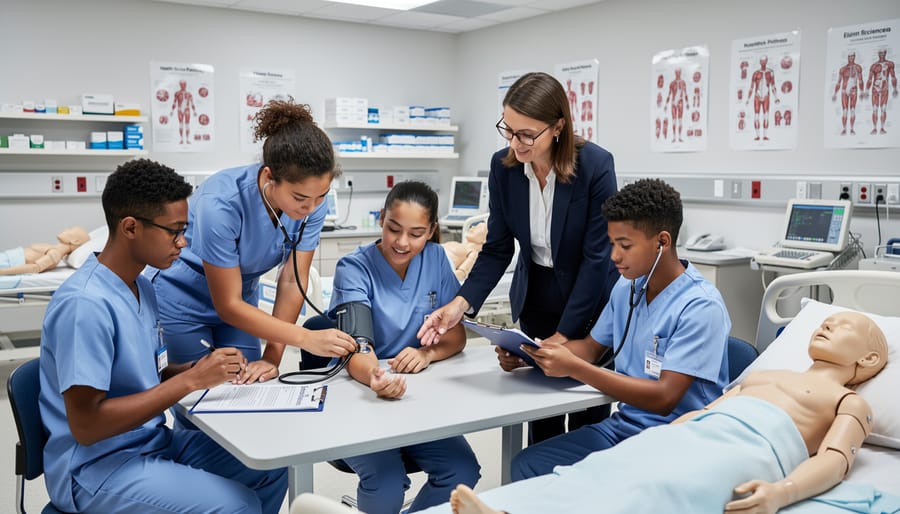
Health Sciences pathways are perfect for students interested in caring for others and making a real difference in their communities. These programs prepare future nurses, medical assistants, dental hygienists, and healthcare professionals through hands-on learning that goes way beyond textbooks. Students dive into anatomy and physiology, medical terminology, and patient care basics while developing essential skills like communication and empathy. Many programs include clinical rotations at local hospitals or healthcare facilities, giving students genuine workplace experience before graduation. Courses often cover everything from taking vital signs and understanding electronic health records to learning infection control protocols. This pathway opens doors to immediate careers or sets students up perfectly for college nursing and pre-med programs.
Engineering and Manufacturing Pathways
Engineering and Manufacturing pathways offer students exciting hands-on experiences with cutting-edge technology! These programs introduce learners to robotics, computer-aided design (CAD), welding, and industrial automation. Students get to build, create, and problem-solve using real-world equipment found in modern manufacturing facilities.
What makes these pathways so engaging is the immediate feedback students receive from their projects. When they design a part in CAD software and see it come to life through 3D printing or CNC machining, the connection between digital skills and physical results becomes crystal clear. Robotics competitions add an extra layer of excitement, fostering teamwork and creative thinking.
These pathways prepare students for high-demand careers in fields like aerospace, automotive manufacturing, and renewable energy, while developing critical thinking skills applicable across all industries.
Business, Marketing, and Finance Pathways
These pathways open doors to exciting careers in the business world! Students explore entrepreneurship, learning to turn creative ideas into real ventures. Accounting tracks teach financial literacy and number-crunching skills that every organization needs. Marketing pathways dive into consumer behavior, social media strategies, and brand development—perfect for creative problem-solvers. Business management courses cover leadership, operations, and strategic planning.
What makes these pathways special? They’re incredibly hands-on! Students might create actual business plans, manage school stores, or develop marketing campaigns for local organizations. These real-world experiences build confidence and practical skills that translate directly to college and careers. Plus, students can customize their focus based on their interests, whether they’re future CEOs, financial analysts, or digital marketing specialists.
Information Technology and Computer Science Pathways
IT and computer science pathways open exciting doors for students interested in technology! These programs typically include coding and software development, where students learn programming languages and app creation. Cybersecurity pathways teach students to protect networks and data from digital threats, a skill in high demand. Networking courses focus on building and maintaining computer systems that keep businesses connected. Digital media pathways blend creativity with tech skills, covering graphic design, video production, and web development. The great news? You can make these technical topics more engaging through hands-on projects and interactive challenges. Students love seeing their code come to life or designing real websites. These pathways offer incredible career flexibility since technology skills transfer across nearly every industry today!
Other Growing Pathway Options
Beyond the major career clusters, your students have even more exciting options to explore! Education and Training pathways prepare future teachers and trainers who’ll inspire the next generation. Agriculture, Food, and Natural Resources connect learners to everything from veterinary science to environmental conservation. The Hospitality and Tourism pathway opens doors to event planning, culinary arts, and travel management careers. And don’t forget Law, Public Safety, Corrections, and Security, where students can pursue roles in law enforcement, emergency management, and cybersecurity. Each pathway offers unique hands-on experiences that help students discover their true calling while building real-world skills they’ll use throughout their careers.
How to Make CTE Content Stick Using Interactive Review Games
Why Technical Skills Need Fun Reinforcement
CTE pathways come packed with specialized vocabulary and technical procedures that can feel overwhelming for students. Think about culinary arts students memorizing knife techniques, or healthcare pathway learners mastering medical terminology. These aren’t just words to memorize—they’re the building blocks of future careers.
Here’s where fun reinforcement changes everything. When students engage with review games, they’re actively applying what they’ve learned rather than passively reading notes. A quick round of vocabulary matching or concept review transforms study time from a chore into a challenge they actually want to tackle.
Games also create those repetition opportunities students need without the monotony. Each time they play, they’re strengthening neural pathways and building confidence. Plus, the immediate feedback helps them identify knowledge gaps before assessments, giving you valuable insight into who needs extra support. When technical content meets playful practice, retention skyrockets and students develop the mastery their chosen pathway demands.
Customizing Game Templates for Different Pathways
The beauty of game templates is how easily you can tailor them to any CTE pathway! For Health Science classes, transform a Jeopardy-style game into medical terminology practice or patient care scenarios. Students can compete to identify symptoms, match diseases with treatments, or demonstrate their knowledge of healthcare procedures.
In Information Technology pathways, customize matching games with coding concepts, cybersecurity protocols, or software applications. Create digital scavenger hunts where students identify programming errors or match tech terms with their definitions.
For Business and Marketing students, adapt quiz games to include real-world scenarios about customer service, financial literacy, or entrepreneurship challenges. You might create a “Deal or No Deal” style game where students make business decisions and see the consequences.
Manufacturing and Engineering pathways shine with games featuring safety protocols, tool identification, or problem-solving scenarios. Picture a game show format where teams troubleshoot equipment issues or calculate measurements under time pressure.
Agriculture students can benefit from games about crop management, animal husbandry, or environmental sustainability. Meanwhile, Culinary Arts classes might enjoy games centered on food safety, recipe conversions, or kitchen equipment identification.
The key is making content relevant and engaging while reinforcing essential career skills your students need to master!
Building Your Classroom Around Career Pathway Milestones
Grade-by-Grade Progression That Makes Sense
Think of CTE pathways as a four-year journey where students build skills one level at a time. In 9th grade, students explore different career clusters through introductory courses, getting a taste of various industries before committing to a specific pathway. This foundation year helps them discover their interests and strengths.
By 10th grade, students choose their pathway and dive into foundational coursework. They’re learning industry terminology, basic technical skills, and starting to understand workplace expectations. This is where the excitement really builds as they connect classroom learning to real careers.
Junior year brings hands-on experience and advanced technical training. Students often participate in internships, job shadowing, or school-based enterprises. They’re developing portfolio-worthy projects and earning industry-recognized credentials that look impressive on college applications and resumes.
Senior year is all about mastery and transition. Students complete capstone projects, pursue advanced certifications, and often participate in work-based learning experiences. They graduate with both their diploma and marketable skills, ready for college, careers, or both. The progression ensures every student feels confident and prepared for their next chapter, no matter which pathway they’ve chosen.
Industry Certifications and Credentials Worth Pursuing
Here’s exciting news for your students: many CTE programs offer industry-recognized certifications right in your classroom! These credentials give students a real head start in their careers, often making them job-ready before graduation day.
Popular certifications include Microsoft Office Specialist for business pathways, OSHA safety credentials for construction and manufacturing, and ServSafe for culinary students. Healthcare pathways often offer CPR certification and Certified Nursing Assistant credentials, while IT students can pursue CompTIA and Cisco certifications.
The best part? These aren’t just pieces of paper. They’re powerful tools that open doors to internships, part-time jobs, and post-graduation employment. Many employers recognize these certifications immediately, giving your students a competitive edge.
Encourage your students to view these certifications as achievements to celebrate. Each one represents mastery of real-world skills and demonstrates their commitment to professional growth. Plus, earning credentials in high school saves time and money compared to pursuing them later, making it a win-win for everyone involved!
Partnering with Local Businesses for Real-World Learning
Building strong partnerships with local businesses is one of the most exciting ways to bring your CTE pathways to life! These real-world connections transform classroom learning into tangible career experiences that students will remember long after graduation.
Start by identifying businesses that align with your pathway programs. Reach out with a simple, friendly email or phone call explaining what your students are learning and how a partnership could benefit both parties. Many employers are eager to connect with future talent and appreciate the opportunity to give back to their community.
Consider these partnership opportunities that work beautifully for CTE programs:
Job shadowing experiences let students spend a day observing professionals in action. These short visits require minimal commitment from employers but offer students invaluable insights into daily workplace routines and expectations.
Internship programs provide deeper, hands-on learning where students contribute meaningful work while developing industry-specific skills. Even part-time or summer internships can make a tremendous impact on student confidence and career readiness.
Guest speakers bring authentic voices into your classroom. Invite professionals to share their career journeys, discuss current industry trends, or demonstrate specialized skills. These visits often spark student interest and help them envision their own future paths.
Mentorship programs create ongoing relationships where professionals guide students through career exploration and skill development. These connections often extend beyond high school, providing lasting support networks.
Don’t forget to maintain these partnerships with regular communication, thank-you notes, and updates on student success stories. When businesses see the positive impact of their involvement, they become enthusiastic advocates for your CTE programs and often expand their participation.

Making Your CTE Classroom More Interactive and Memorable
Ready to make your CTE classroom buzz with energy? Let’s transform those pathway standards into experiences your students will actually remember!
Start with team-building activities that mirror real workplace scenarios. Have your healthcare pathway students work in “hospital teams” to solve patient case studies, or challenge your engineering students to collaborate on design competitions. These activities build the soft skills employers crave while keeping students engaged.
Review games are your secret weapon for reinforcing technical content without the snooze factor. Turn certification prep into game show-style competitions, or use digital platforms to create interactive quizzes that students can tackle individually or in teams. The competitive element keeps energy high while solidifying important concepts.
Hands-on projects seal the deal. Connect every major unit to a tangible outcome—culinary students can plan and execute a pop-up restaurant, while business pathway students might develop actual marketing campaigns for local companies. Real-world application makes learning stick and helps students see their future careers taking shape.
The beauty of these strategies? You can customize them to fit any pathway and any classroom dynamic. Mix and match based on your students’ interests, and watch engagement soar as they connect classroom learning to their career goals.
CTE career pathways open doors to exciting futures for your students, bridging classroom learning with real-world career success. By guiding students through these structured programs, you’re not just teaching content—you’re helping them discover their passions and build marketable skills before graduation. The key to making CTE pathways truly transformative? Keeping students engaged with interactive, hands-on learning experiences that bring career concepts to life.
Ready to energize your CTE instruction? Interactive review games and customizable activities can turn complex career concepts into memorable learning moments. Whether you’re introducing healthcare pathways, technology tracks, or skilled trades programs, the right tools make all the difference. Your students deserve dynamic, engaging lessons that prepare them for tomorrow’s opportunities—and you deserve resources that make teaching these pathways easier and more effective. Start exploring interactive classroom tools today and watch your students connect with their future careers in meaningful new ways.