Why Your Classroom Games Might Be Missing the Mark (Culturally Responsive vs. Culturally Relevant)
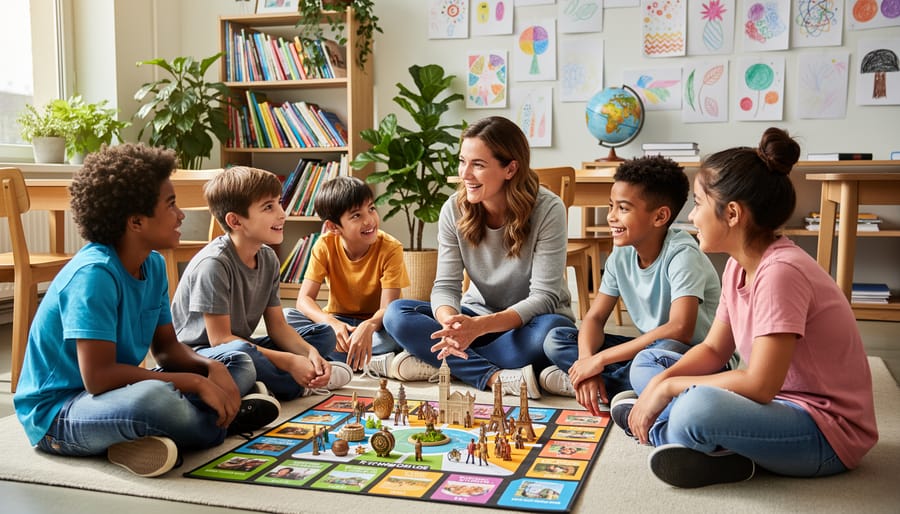
You’ve probably heard both terms thrown around in professional development sessions and wondered if they’re just educational buzzwords for the same thing. They’re not. While culturally responsive teaching focuses on recognizing and responding to the diverse cultural backgrounds in your classroom right now, culturally relevant teaching takes it further by connecting learning to students’ lived experiences and empowering them to think critically about the world around them.
The difference matters when you’re choosing classroom games and activities. A culturally responsive approach means ensuring your trivia questions don’t assume every student celebrates the same holidays or eats the same foods. A culturally relevant approach means designing game content that lets students see themselves as active participants in shaping knowledge, not just receiving it.
Here’s the good news: you don’t need to choose one over the other. The most effective classrooms blend both approaches, starting with awareness and building toward empowerment. Your existing game templates can become powerful tools for both when you understand how to customize them with intention. Whether you’re running a review game or introducing new concepts, small tweaks to your content can transform a fun activity into an inclusive learning experience that validates every student’s identity while challenging them to grow.
What These Terms Actually Mean (And Why It Matters)
Culturally Relevant: Building on What Students Bring
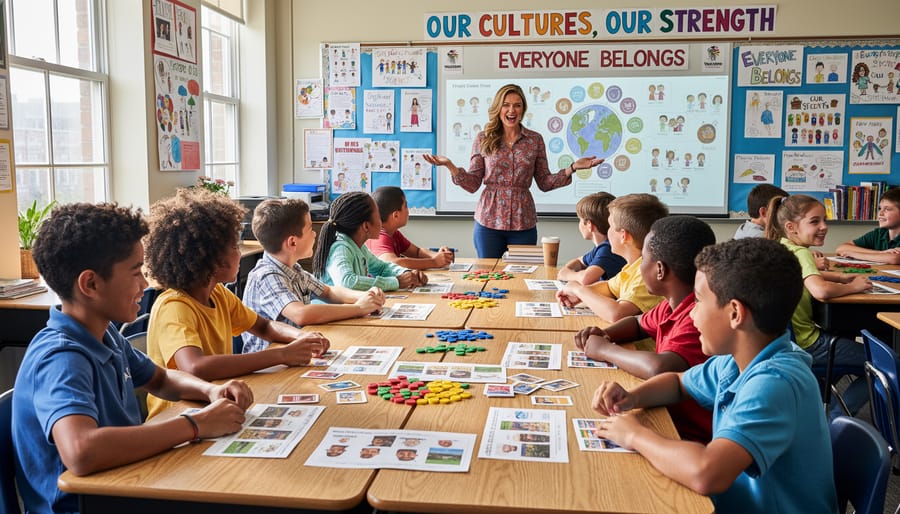
Culturally relevant design takes things a step further by weaving students’ own cultural knowledge and experiences directly into your lesson content. Think of it as making the learning material itself mirror your students’ lives and backgrounds.
Here’s where it gets exciting for your classroom games! Instead of just creating a welcoming space, you’re actually changing what students learn about. For example, if you’re playing a trivia game, include questions about historical figures from diverse cultures, not just the mainstream ones in textbooks. Or when creating a vocabulary matching game, use words and phrases from students’ home languages alongside English terms.
Try this: Design a review game where students earn points by sharing examples from their own cultural traditions that connect to the lesson topic. Studying economics? Let students explain bartering systems or trade practices from their family’s cultural background. Learning about storytelling? Include folk tales from various cultures as your game content.
The beauty of culturally relevant design is that students see themselves as experts with valuable knowledge to contribute. They’re not just playing your game; their experiences become part of what makes the game meaningful and educational for everyone.
Culturally Responsive: Adapting to Student Needs
Culturally responsive teaching is all about flexibility and meeting your students exactly where they are. Think of it as having a toolkit that adjusts to fit each learner’s unique background, learning style, and cultural perspective. This approach recognizes that your classroom is wonderfully diverse, and what works for one student might need tweaking for another.
When you’re using game templates in your classroom, culturally responsive design means building in options. Maybe you offer different role choices in a game so students can see themselves represented. Perhaps you allow teams to choose their own team names that reflect their identities. You might even let students suggest question categories that connect to their own experiences and interests.
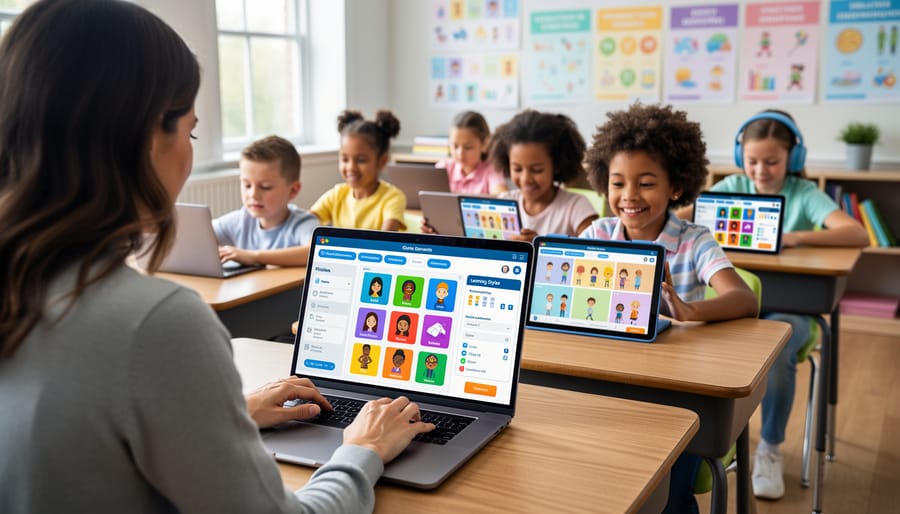
This flexibility aligns beautifully with Universal Design for Learning principles, giving every student multiple ways to engage and succeed. The beauty of customizable PowerPoint games is that you can easily adapt them on the fly. Change the images to reflect your students’ communities, adjust difficulty levels for different learners, or incorporate collaborative elements that honor cultures valuing group success over individual achievement. Your games become living tools that respond to your classroom’s unique makeup.
How This Shows Up in Your Classroom Games
Culturally Relevant Game Design in Action
Let’s bring culturally relevant design to life with examples you can actually use in your classroom! Think of games that weave diverse perspectives right into the gameplay itself.
Picture a vocabulary review game where students earn points by correctly matching words from different languages to their English equivalents. Instead of generic flashcards, you’re celebrating the multilingual backgrounds in your room while building everyone’s language skills. Students see their heritage languages valued as learning tools, not barriers.
Try designing a history trivia game that features heroes and changemakers from multiple cultures. Rather than limiting questions to textbook standards, include questions about Diwali celebrations, the history of Juneteenth, or Indigenous inventions. When students from various backgrounds see their stories represented, they feel genuinely included in the learning journey.
Consider a math game where word problems reflect diverse family structures, cultural celebrations, and global contexts. Instead of “Sally bought 5 apples,” try “Amir is preparing samosas for Eid and needs to calculate ingredients for 20 guests.” These small shifts make content relatable and engaging for more students.
You can also create geography games featuring landmarks, traditions, and customs from students’ home countries or ancestral regions. This validates their experiences while teaching everyone about our wonderfully diverse world.
The beauty of these approaches? They’re easy to customize in your existing game templates. Simply swap out content cards, update question banks, or modify scenarios to reflect the rich cultural tapestry of your classroom community.
Culturally Responsive Game Design in Action
Let’s look at what culturally responsive game design actually looks like in your classroom! The best part? You probably already have games that can be adapted with just a few tweaks.
Think about a classroom trivia game. Instead of one rigid format, make it responsive by offering multiple ways to participate. Students can answer verbally, write responses, draw pictures, or work with a partner. This flexibility ensures every learner can jump in confidently.
Customizable elements are game-changers too. Use templates where you can swap out images, examples, and scenarios to reflect your students’ backgrounds. A math word problem about shopping? Let students suggest stores from their neighborhoods. A vocabulary game? Include words from multiple languages that students actually use at home.
Visual representation matters enormously. Choose games with diverse character options or neutral designs that any student can relate to. Avoid imagery that assumes one cultural experience is universal.
The secret sauce is built-in flexibility. Create point systems where students can earn rewards through different paths, not just speed or individual performance. Add collaboration options so students can choose to work solo or team up based on their comfort level.
Remember, you don’t need to create entirely new games from scratch. Start with one game template and add three customization points where students can make choices. That’s responsive design in action, and it transforms how every student experiences learning through play.
The Sweet Spot: Why You Need Both
Here’s the good news: you don’t have to pick a side in this debate! The most engaging and inclusive classroom games actually weave both approaches together, creating learning experiences that resonate with every student.
Think of it this way: culturally responsive teaching creates the welcoming environment where all students feel safe to participate, while culturally relevant teaching brings meaningful content into that space. Together, they transform your games from simple activities into powerful learning moments that stick.
Let’s say you’re running a quiz game review. Your culturally responsive approach might include flexible team formations where students can work with partners who share their language or learning style. You’d also notice which students need more wait time or prefer written responses over verbal ones. Meanwhile, your culturally relevant approach brings in quiz questions that connect to diverse cultural experiences and real-world scenarios your students actually care about.
The magic happens when you customize your games with both lenses in mind. Maybe you’re using a Jeopardy-style review game. You’d design categories that reflect different cultural perspectives (culturally relevant) while also building in multiple ways for students to demonstrate their knowledge, like drawing, explaining, or acting out answers (culturally responsive).
This combined approach means every student sees themselves in the content and has a genuine shot at success. You’re not just checking boxes for diversity; you’re creating an authentic learning community where games become bridges between cultures, experiences, and learning styles. And the best part? When you design with both approaches from the start, inclusivity becomes natural rather than an add-on.
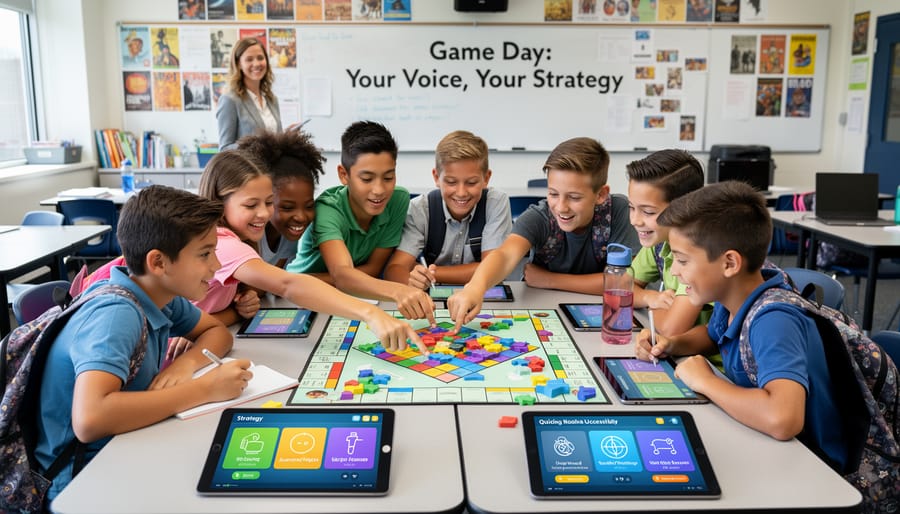
Quick Wins: Making Your Current Games More Inclusive
Simple Customizations That Make a Big Difference
You don’t need to overhaul everything to make your games more inclusive! Small tweaks to your existing PowerPoint game templates can create a welcoming environment for all students.
Start with character names in your games. Instead of using the same traditional names repeatedly, mix it up with diverse options that reflect your classroom community. When students see names like Aisha, Diego, or Kenji alongside Emma and Jack, they recognize themselves in the learning experience.
Next, adjust your game scenarios to include varied cultural contexts. If you’re creating a math word problem game, swap out the pizza party scenario for options like a family potluck, a street market, or a community festival. These simple changes acknowledge different lived experiences while keeping the learning objective intact.
Adding diverse imagery takes just minutes but makes a tremendous impact. When selecting clipart or photos for your game slides, choose images that represent different ethnicities, family structures, abilities, and cultural celebrations. Free resources like diverse emoji sets or multicultural clipart collections make this easy.
Create flexible participation options within your games. Consider sensory-friendly game design elements like allowing written responses instead of spoken ones, offering team versus individual play choices, or providing visual answer options alongside text.
The beauty of customizable game templates is that these modifications become part of your teaching toolkit. Once you’ve made these adjustments, save your culturally responsive version as a new template for future use. Your effort multiplies across the school year, benefiting every student who plays.
Questions to Ask Before You Hit ‘Play’
Before you launch that next classroom game, pause for a quick inclusion check! These simple questions will help ensure every student feels represented and valued:
Does this game reflect the diversity in my classroom? Look at characters, scenarios, and examples. Do students see themselves reflected in the content?
Are the cultural references relevant to my students’ experiences? Games featuring holidays, foods, or traditions should connect with the communities you serve, not just mainstream culture.
Can I easily customize this to include my students’ backgrounds? The best games let you swap in names, images, and examples that matter to your learners.
Does the game avoid stereotypes or tokenism? Check that cultural elements are portrayed authentically and respectfully, not as caricatures.
Are multiple perspectives represented? Ensure the content doesn’t present just one cultural viewpoint as the default.
Will all students have equal opportunity to succeed? Consider whether the game requires specific cultural knowledge that might advantage some students over others.
Can students contribute their own content or questions? Student input transforms culturally responsive games into culturally relevant learning experiences.
These questions take just minutes but make a lasting difference in creating truly inclusive play-based learning!
Getting Student Input (It’s Easier Than You Think)
You don’t need elaborate surveys or formal focus groups to get valuable input from your students. Start small by simply asking them to share a few favorite hobbies, places they’ve visited, or cultural celebrations they enjoy. Keep a running list on a whiteboard or digital doc throughout the year.
When you’re ready to customize a game, pull from that list. Let students suggest trivia questions about their communities, choose character names that reflect their backgrounds, or pick themes that connect to their interests. Even quick five-minute brainstorming sessions work wonders.
Try having students submit question ideas on sticky notes or through a class suggestion box. You can also rotate “game designers” each week, giving different students ownership over customizing the next game round. This involvement transforms generic games into meaningful experiences that students genuinely care about, and it shows them that their voices matter in your classroom.
What This Means for Your Game Selection
When you’re browsing game templates for your classroom, look for options that give you real flexibility to make them your own. The best templates act as blank canvases where you can add content that mirrors your students’ lives while also challenging them to explore new perspectives.
Start by checking if a game allows you to customize images, questions, and scenarios. Can you swap out generic clipart for photos that represent your students’ communities? Can you adjust the language complexity or incorporate vocabulary from students’ home languages? These customization features are what transform a standard review game into a culturally responsive learning experience.
Templates that support inclusive game design should also let you layer in culturally relevant content. Maybe you’re teaching fractions, but you can use examples featuring foods from your students’ cultures. Or perhaps your history review game can highlight lesser-known figures from diverse backgrounds who made significant contributions.
The magic happens when you find games that balance structure with freedom. You want something professionally designed so you’re not starting from scratch, but with enough wiggle room to personalize every element. PowerPoint-based templates work beautifully for this because they’re user-friendly and endlessly adaptable.
Remember, you don’t need to reinvent the wheel every time. Choose versatile templates you can return to throughout the year, updating them with fresh content that keeps reflecting and expanding your students’ worlds.
You’re already doing amazing work in your classroom, and remember: creating inclusive, culturally responsive games doesn’t require perfection. It’s about taking small, intentional steps that honor your students’ identities and experiences. Start with one game this week. Add a customization option. Include diverse representation. Let students shape the learning experience. These thoughtful tweaks create classrooms where every student feels seen and valued. Your willingness to adapt and grow makes all the difference. So take what resonates with you from these ideas and try something new today—your students will feel the impact immediately!