Transform Dead Time Into Learning Gold: Micro-Learning That Actually Works in Your Classroom
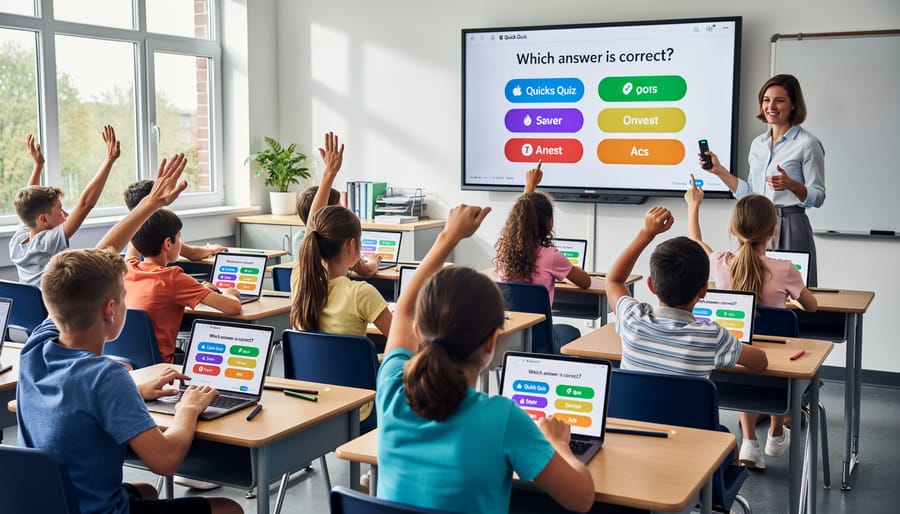
Transform your classroom with bite-sized learning moments that take 5 minutes or less. Use digital flashcard apps during transition times between activities to reinforce vocabulary or math facts while students line up or wait for materials. Launch a quick Kahoot quiz at the start of class to activate prior knowledge, letting students compete on their phones while you take attendance. Create 90-second video tutorials explaining single concepts like finding the area of a triangle or using commas correctly, then share them via QR codes students can scan and rewatch at their own pace.
Design daily micro-challenges that students complete on mobile devices: solve one word problem, identify three examples of figurative language in a text, or answer a single reflection question about yesterday’s lesson. The key is making each learning nugget focused on one skill or concept, immediately applicable, and accessible anywhere students have a few spare minutes. These quick bursts work especially well for review, remediation, or extending learning beyond the classroom walls.
Your micro-learning toolkit should include interactive games, short assessment tools, and visual content that students can consume between activities or at home. The beauty of this approach is its flexibility. You can customize each micro-lesson to match your curriculum, student needs, and available technology, turning every spare moment into an opportunity for meaningful learning without overwhelming your already-packed schedule.
What Makes Micro-Learning Different (And Why Your Students Will Love It)
Think of micro-learning as the perfect bite-sized snack for your students’ brains. Instead of serving up a five-course meal of information, you’re offering quick, focused learning moments that pack a real punch in just 3-10 minutes.
Here’s what makes micro-learning special: each mini-lesson zeroes in on one specific skill or concept. Whether it’s mastering irregular verbs, identifying geometric shapes, or understanding photosynthesis basics, students get concentrated bursts of learning without the overwhelm. No more glazed-over eyes halfway through a lengthy lesson!
The beauty of micro-learning is that it plays perfectly with how your classroom actually works. Got five minutes before lunch? Squeeze in a quick vocabulary challenge. Waiting for the whole class to settle after recess? Launch a fast-paced quiz game. These short sessions fit naturally into your day’s rhythm rather than requiring you to completely restructure your schedule.
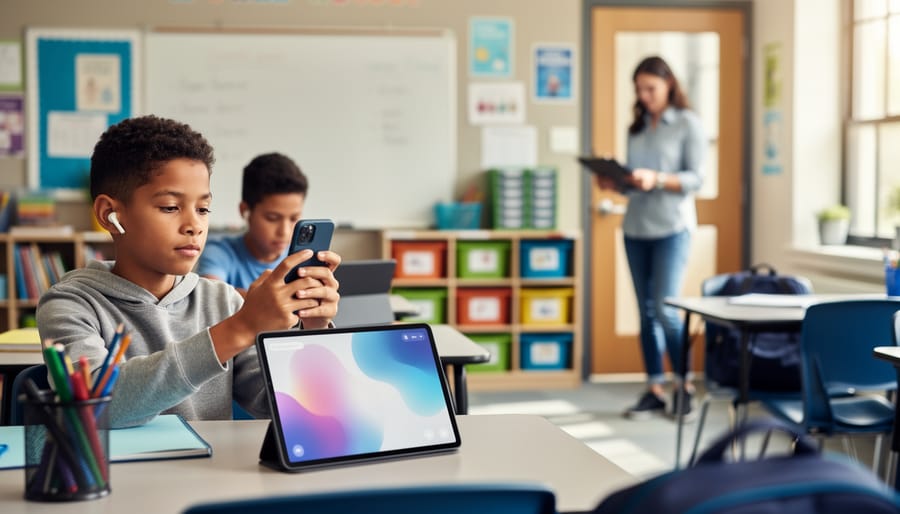
And let’s talk about phones and tablets for a second. Since most micro-learning activities work seamlessly on mobile devices, students can engage with content wherever they are. This doesn’t mean they’re glued to screens all day, but it does mean learning can happen during those in-between moments that might otherwise go unused.
The real magic happens because micro-learning matches how today’s students actually process information. They’re used to quick, engaging content that respects their time and attention. When you deliver learning in focused bursts, you’re working with their natural rhythms, not against them. The result? Better retention, higher engagement, and students who actually look forward to learning activities. Pretty great trade-off for simply thinking smaller, right?
Quick-Fire Quiz Games: Micro-Learning’s Secret Weapon
PowerPoint Game Templates That Do the Heavy Lifting
Ready to transform your quick review sessions into engaging learning experiences? PowerPoint game templates are absolute game-changers for micro-learning. These customizable templates come with built-in scoreboards, timers, and interactive elements that turn ordinary content into exciting classroom competitions.
The beauty of game-based learning templates is how they handle the technical work for you. Simply plug in your content, whether it’s spelling words, multiplication facts, or science vocabulary, and you’re ready to launch a 5-10 minute learning session that keeps students completely focused.
Popular formats include Jeopardy-style quiz boards for concept review, Family Feud templates for collaborative brainstorming, and spinning wheel games for random question selection. Each template includes automatic scoring and smooth animations that create that addictive game show feeling students love.
The real magic happens in customization. Change colors to match your classroom theme, adjust point values based on question difficulty, and add images or sound effects to enhance engagement. You can create multiple versions of the same template for differentiated instruction, giving struggling learners extra practice while challenging advanced students with harder content.
Best of all, these templates work perfectly for those precious 10-minute windows before lunch, during morning meetings, or as brain breaks between longer lessons. Students stay energized, content sticks better through repetition and competition, and you get instant feedback on who needs additional support.
Turn Your Smartphone Into a Learning Station
Your students’ smartphones and tablets can become powerful learning stations with the right apps! Encourage independent practice during downtime by introducing mobile-friendly quiz tools that make learning feel effortless.
Kahoot! offers a mobile app where students can replay classroom quizzes at their own pace or explore ready-made quizzes on thousands of topics. It’s perfect for quick review sessions before tests or just for fun during free time.
Quizlet remains a student favorite with customizable flashcard sets they can access anywhere. Students love the variety of study modes, from matching games to practice tests, all designed for bite-sized learning moments.
For younger learners, try Duolingo ABC for literacy skills or Prodigy Math for game-based practice. Both apps adapt to individual skill levels and reward progress with engaging visuals and achievements.
The beauty of these tools? Students can squeeze in meaningful learning during bus rides, waiting rooms, or quiet moments at home. Encourage families to set aside just five minutes daily for app-based practice. You’ll be amazed how these micro-moments add up to real progress. Share your favorite apps with parents during back-to-school night to create a home-school learning partnership that works.
Video Micro-Lessons That Pack a Punch
Video micro-lessons are absolute game-changers for busy classrooms! Think of them as concentrated bursts of learning that students can watch, rewatch, and absorb at their own pace. The sweet spot? Keep them between 2-5 minutes long and focused on teaching just one specific skill or concept.
Platforms like YouTube Shorts and TikTok have revolutionized how we share educational content. These quick-hit videos are perfect for demonstrating a math problem step-by-step, explaining a grammar rule, or showing a simple science experiment. The vertical format feels natural to students who already engage with content this way, making learning feel less like work and more like scrolling through their regular feed.
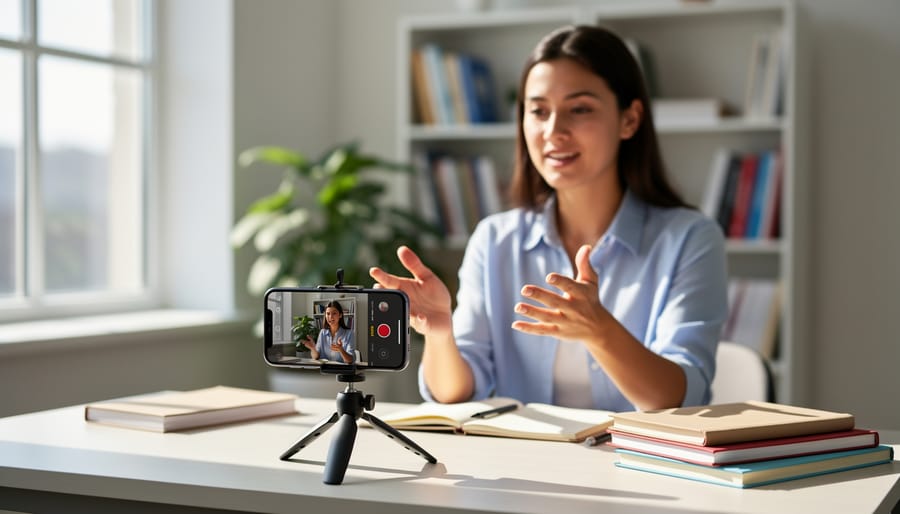
Here’s the exciting part: you don’t need fancy equipment to create these! Your smartphone is all you need to become a video micro-lesson creator. Try recording a quick demonstration of how to solve an equation, a 3-minute book recommendation, or a fast tutorial on using context clues. The raw, authentic feel actually resonates better with students than over-produced content.
Want to get started? Pick one concept you’ll teach tomorrow. Grab your phone, prop it up against some books, and record yourself explaining it in under three minutes. Students love seeing their teachers in this format, and you can reuse these videos year after year.
Pro tip: Encourage students to create their own micro-lesson videos explaining concepts back to you. This flips the learning dynamic and helps them process information more deeply. Plus, you’ll build a library of student-created content that future classes can benefit from. The customization possibilities are endless, and the engagement boost is real!
Flash Cards Meet Technology: Digital Practice That Sticks
Remember those flashcard stacks that used to clutter your desk? They’ve gotten a serious upgrade! Digital flashcards now harness the power of spaced repetition, showing students the right content at exactly the right time. Apps like Quizlet and Anki track which concepts students struggle with and automatically serve up those tricky facts more frequently, creating personalized learning paths that adapt to each learner.
The beauty of digital flashcards lies in their flexibility. Use them for vocabulary building during those five minutes before lunch, practice multiplication facts while waiting for the bus, or review Spanish verbs between classes. Students can access their custom decks anywhere, turning idle moments into productive learning sessions.
Try these quick wins in your classroom: Create collaborative decks where students contribute terms and definitions for upcoming tests. Set up math fact challenges with immediate feedback that celebrates progress. Use image-based cards for visual learners tackling science vocabulary. The instant feedback keeps students engaged while the gamified elements, like streaks and point systems, make practice feel less like work and more like play.
The best part? You can customize everything. Add audio pronunciation for language learning, include images for context clues, or create matching exercises for younger learners. These bite-sized practice sessions build confidence and retention without the overwhelm of traditional study marathons.
Brain Break Activities That Actually Teach Something
Who says brain breaks can’t be learning opportunities? The best micro-learning moments happen when students don’t even realize they’re still engaged with content. These activities give kids the mental reset they need while sneaking in valuable review time.
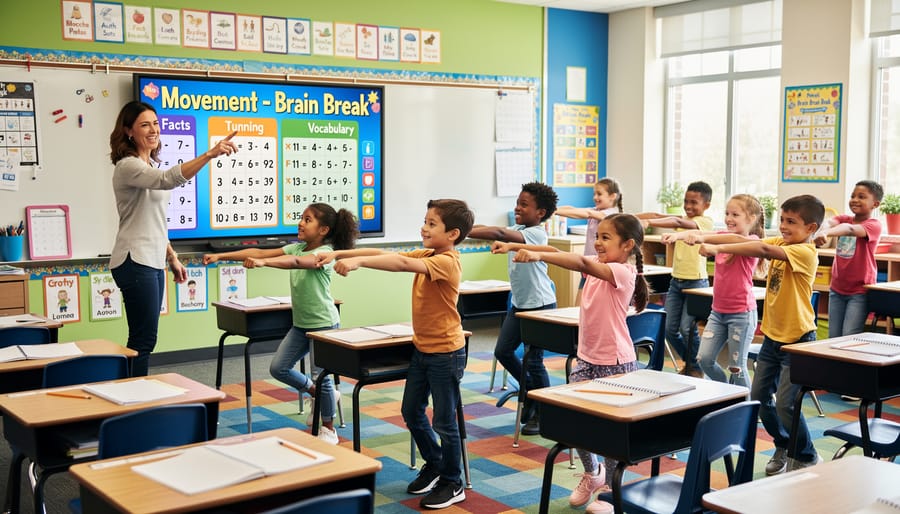
Movement-based learning games are perfect for this. Try a quick round of “Vocabulary Hopping” where students jump to different spots in the classroom based on word definitions you call out. Or set up “Math Relay Races” where teams solve problems at stations around the room. The physical activity recharges their brains while reinforcing what they’ve learned. You can easily customize these to match whatever content you’re covering that week.
Quick puzzle challenges work wonders too. Spend three minutes on a crossword puzzle using this week’s spelling words, or have students solve a riddle that requires applying a science concept. These bite-sized activities feel like play but keep minds engaged with the material.
Interactive challenges that combine movement with content review are gold. “Four Corners” becomes a review game when each corner represents a different answer choice. “Simon Says” transforms into grammar practice when students only follow commands using complete sentences. “Freeze Dance” gets educational when students must strike a pose representing vocabulary words when the music stops.
The beauty of these activities is their flexibility. You can pull them out whenever energy dips or attention wanders. Keep a collection of these go-to brain breaks ready, and customize them to fit whatever you’re teaching. Your students get the movement they’re craving, and you get another chance to reinforce key concepts. That’s what we call a win-win.
Mini-Challenges and Daily Missions
Mini-challenges are perfect for those moments when you have 5-10 minutes before lunch or at the start of class. These bite-sized activities keep students engaged without overwhelming them or eating up your entire lesson time.
Daily word problems work wonderfully as warm-up activities. Post a quick math puzzle on the board or share it through your classroom app, and students can solve it independently while you take attendance. The key is keeping them short and focused on a single concept.
Quick writing prompts are another fantastic option. Try “Describe your weekend in exactly three sentences” or “Write a story using these five words.” These mini-tasks build writing skills without the pressure of lengthy assignments, and students love the creativity they allow.
Mini-research tasks tap into students’ natural curiosity. Challenge them to find one interesting fact about a historical figure, discover how a specific animal adapts to its environment, or locate a country on a map and share one unique detail about it. Students can complete these on tablets or phones during transition times.
The “challenge of the day” format keeps things exciting and unpredictable. Rotate between different subjects and skills to maintain variety. You might feature a geography challenge on Monday, a logic puzzle on Tuesday, and a vocabulary challenge on Wednesday. Consider using digital platforms that reward student achievements with points or badges to boost motivation. The best part? These challenges require minimal prep time while delivering maximum engagement.
Making Micro-Learning Work in Your Classroom Tomorrow
Ready to bring micro-learning into your classroom? The best part is, you probably already have perfect moments throughout your day where these bite-sized activities fit naturally.
Think about those five minutes when early finishers need something meaningful to do while others wrap up. Instead of busy work, have a quick review game ready on their devices. Morning work becomes instantly more engaging when students can jump into a three-minute challenge that reviews yesterday’s lesson. And those tricky transition times? Fill them with a rapid-fire quiz or flashcard session to keep energy focused and learning continuous.
The secret to making this work without overwhelming yourself is customization. Start with existing resources and tweak them quickly. Take a game template you’ve already created and simply swap out questions for a different topic. Need vocabulary practice instead of math? Just change the content while keeping the same format your students already love. Most platforms let you duplicate and edit activities in minutes, so you’re not starting from scratch each time.
When it comes to monitoring how students are doing, keep it simple. You don’t need elaborate tracking systems that eat up your planning time. Use tools that automatically track student progress in the background, giving you quick snapshots of who’s mastering concepts and who needs extra support. Look for dashboards that show you the big picture at a glance, so you can make informed decisions during your actual teaching time, not during hours of data analysis.
Start small with just one micro-learning moment tomorrow. Maybe it’s a quick game during your morning routine or a five-minute challenge before dismissal. Once you see how smoothly it fits into your day and how engaged your students become, you’ll naturally find more opportunities to incorporate these powerful learning bursts.
Here’s the exciting part: micro-learning isn’t about piling more onto your already full plate. It’s about making the time you already spend in the classroom work smarter, not harder. Think of it as upgrading your teaching toolkit with quick-win strategies that deliver instant engagement and real learning outcomes.
You don’t need to overhaul your entire curriculum tomorrow. Start small. Pick one or two examples from this article that resonate with your teaching style and give them a test run. Maybe it’s a five-minute vocabulary game on Monday or a quick review quiz on Friday. See what clicks with your students, then build from there.
The beauty of micro-learning is its flexibility. You can customize everything to match your classroom’s unique needs. Teaching younger students? Focus on colorful, game-based activities. Working with high schoolers? Try challenge-based learning or bite-sized video content. The options are endless, and you’re in complete control.
Remember, your students are already wired for this type of learning. They consume quick, engaging content constantly outside the classroom. By bringing micro-learning inside your teaching space, you’re meeting them where they are while delivering meaningful educational experiences.
So take that first step today. Choose one micro-learning example, try it out, and watch your students light up with engagement. You’ve got this, and your classroom is about to get a whole lot more interactive and fun.