
Digital Badges Are Transforming How Students Show What They Know
Digital badges, certificates, and credentials are transforming how we recognize student achievements in today’s classrooms. Think of digital credentialing as giving your students collectible proof of their learning journey—like earning badges in their favorite video game, but for mastering math concepts, demonstrating creativity, or showing growth in reading skills.
This approach taps into what motivates students naturally. When learners can see their progress displayed as earned credentials, they engage more deeply with classroom activities. You’re not just grading anymore; you’re creating a visible pathway of accomplishments that students take pride in sharing with parents and peers.
Getting started is simpler than you might think. Choose specific skills or milestones worth recognizing, design simple badge graphics using free tools, and establish clear criteria students must meet to earn each credential. The beauty lies in customization—you can create credentials for academic achievements, soft skills like collaboration, or participation in class challenges.
Digital credentialing works seamlessly with interactive classroom tools you’re already using. Whether students earn badges for completing quiz challenges, demonstrating mastery through projects, or contributing to class discussions, these visual markers make abstract learning progress tangible and exciting.
The result? Students become more self-directed, parents gain clearer insight into classroom achievements, and you build a more engaging learning environment where every accomplishment counts.
What Digital Credentialing Actually Means for Your Classroom
Think of digital credentials as achievement certificates that live online—but they’re so much more powerful than traditional paper awards. When students earn a digital badge or micro-credential in your classroom, they’re receiving verified proof of specific skills they’ve mastered, whether that’s solving multi-step math problems, demonstrating collaborative teamwork, or mastering persuasive writing techniques.
Here’s what makes them different from gold star stickers: digital credentials contain embedded information about what the student actually did to earn them. They’re shareable, stackable, and tell a story about your students’ learning journey. For example, instead of just saying “Great job on your science project,” a digital badge might verify that Emma successfully designed an experiment, collected data, analyzed results, and presented findings to her peers.
These credentials come in different forms. Badges typically recognize smaller achievements—think completing a unit on fractions or demonstrating good digital citizenship. Micro-credentials usually represent more substantial skill development, like showing mastery across multiple writing standards. Both help measure student skills in meaningful, specific ways.
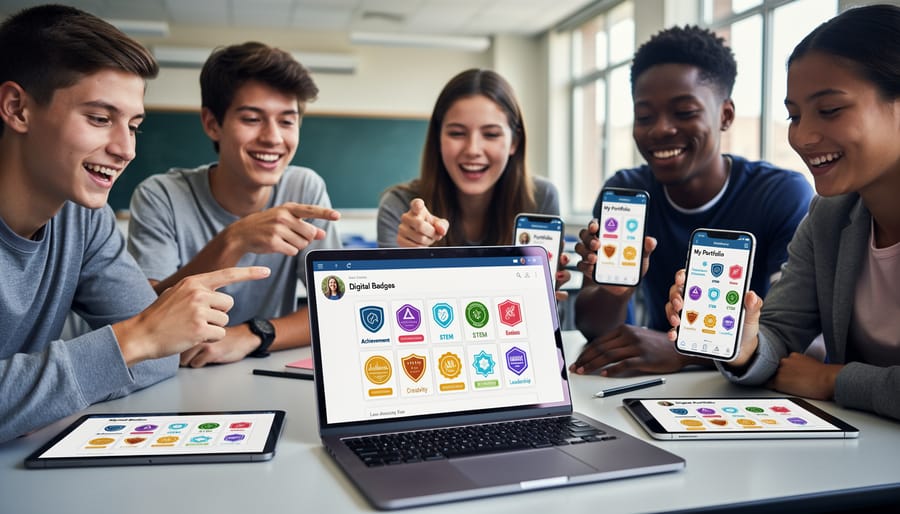
The best part? Students can display their badges on digital portfolios, share them with parents, or even include them in future college applications. This makes achievements visible beyond your classroom walls and gives students ownership of their learning progress.
You’re not replacing grades or report cards here. Instead, you’re adding a motivational layer that celebrates the specific skills and efforts students demonstrate every day. It’s recognition that travels with them and tells their unique learning story.
Why Teachers Are Making the Switch
Students Get Excited About Earning Badges
Think about how excited students get when they level up in their favorite game or earn a new achievement. That same energy can transform your classroom through digital badges! When students earn badges for completing assignments, mastering skills, or demonstrating good citizenship, learning suddenly feels more like an adventure than a checklist.
These visual rewards tap into something powerful: students love showing off their accomplishments. Digital badges are easy to share with parents, friends, and even on student portfolios. This visibility creates natural motivation because achievements become tangible and celebrated.
The best part? You can customize badges to match your classroom goals. Create badges for creative problem-solving, teamwork, reading milestones, or any skill you want to encourage. Students can track their progress, see what they’re working toward next, and feel genuine pride in their collection. Many teachers report that previously reluctant learners become more engaged when they can visualize their growth through earned badges.
This gamification approach doesn’t replace quality instruction, but it adds an exciting layer that keeps students motivated and invested in their learning journey.
Celebrate Skills Beyond Test Scores
Here’s the exciting part: digital credentials shine a spotlight on the amazing skills that traditional report cards simply can’t capture! While test scores tell one part of the story, badges and certificates can celebrate when students demonstrate exceptional teamwork, creative problem-solving, or leadership during group projects.
Think about it—when a student helps classmates understand a tricky concept, shows persistence through challenges, or develops an innovative solution to a problem, those moments deserve recognition! Digital credentials make these accomplishments visible and valued. You can create custom badges for communication skills, critical thinking, digital citizenship, or any competency that matters in your classroom.
This approach supports personalized learning by acknowledging that every student brings unique strengths to your classroom. A student who struggles with traditional tests might excel at collaboration or creative thinking. When you recognize these diverse talents through digital credentials, you’re sending a powerful message: all skills matter, and every student has something special to contribute. Plus, students love seeing their full range of abilities celebrated, which builds confidence and motivation across your entire class!

Building Real-World Portfolios
Digital credentials give students something tangible to show for their hard work! Think of them as modern-day achievement certificates that travel beyond your classroom walls. When students earn badges or certificates for mastering skills, they’re building a portfolio of accomplishments they can share with parents, future teachers, or even college admissions.
The best part? These credentials tell a story. Instead of just a letter grade, they showcase specific skills like problem-solving, collaboration, or subject mastery. Students can track student progress over time and watch their collection grow, which becomes incredibly motivating.
You can customize credentials to match your classroom goals, whether that’s recognizing improvement, celebrating effort, or highlighting specific achievements. Students love displaying their earned badges, and it gives them ownership over their learning journey. Plus, digital portfolios are easy to share and never get lost in backpacks!
Simple Ways to Start Using Digital Credentials Today
Create Your Own Classroom Badge System
Ready to create your own badge system? You don’t need fancy software or a big budget to get started! Begin with free tools like Google Slides, Canva, or PowerPoint to design simple, colorful badges that reflect your teaching style and subject area.
Start by identifying 5-10 achievements you want to recognize in your classroom. Think beyond academics: collaboration skills, creativity, perseverance, or helping classmates all deserve celebration! Create badge designs that match your theme, whether that’s space explorers for science class or literary legends for English.
Keep it simple by using templates. Many platforms offer free badge designs you can customize with your own text and colors. Make each badge visually distinct so students can easily identify their accomplishments at a glance.
Display earned badges on a classroom wall chart, digital portfolio, or even printed certificates students can take home. The key is making achievements visible and celebrating progress along the way. Remember, your badge system should excite your students and reflect what matters most in your unique classroom community. Start small, test what works, and expand as you go!
Connect Badges to Your Review Games
Ready to make your review games even more exciting? Let’s connect badges to the action!
Start simple by awarding badges for reaching point milestones. For example, students earn a “Rising Star” badge at 50 points or a “Quiz Champion” badge for three consecutive wins. You can design these right in your presentation slides or use free tools like Canva to create colorful, themed badges.
Team competitions work wonderfully with digital credentials too. Award a “Team Player” badge when groups collaborate to answer five questions correctly, or create special badges for creative team names and supportive behavior.
Consider milestone achievements beyond just winning. A “Comeback Kid” badge celebrates students who improve their scores between games, while a “Question Master” badge rewards those who ask thoughtful questions during play.
The key is customization. Match your badges to your classroom culture and learning goals. Create seasonal badges, subject-specific achievements, or even student-designed credentials. When students see their badge collection growing, they’ll stay motivated and engaged throughout your lessons.
Start Small with One Unit or Skill
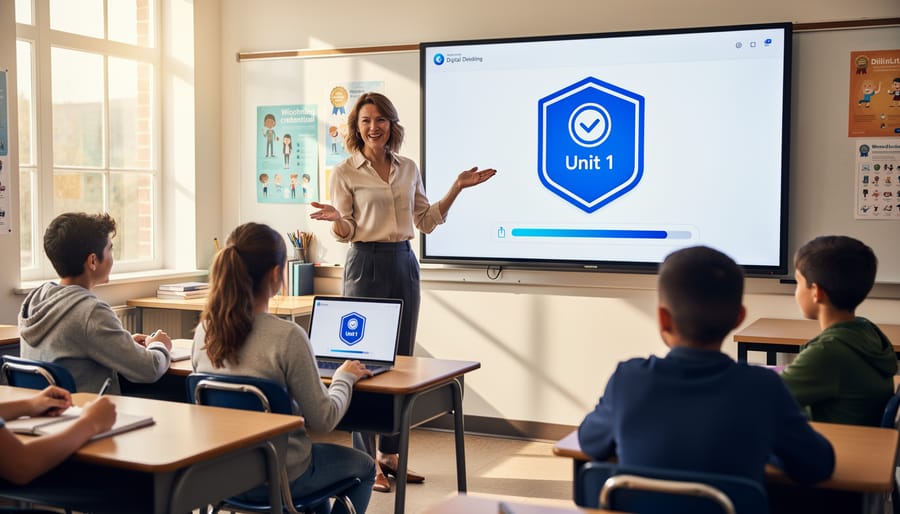
You don’t need to overhaul your entire curriculum to start seeing the benefits of digital credentialing. In fact, beginning with just one unit or even a single skill makes the process much more manageable and helps you figure out what works best for your students.
Pick something you’re already teaching and think about what accomplishments deserve recognition. Maybe it’s mastering multiplication facts, completing a research project, or demonstrating good digital citizenship. Create a simple badge for that achievement and see how your students respond.
Here are some quick-start ideas to get you going: design a badge for finishing a book report, award one for collaborative teamwork during group projects, or recognize students who help classmates with technology challenges. You could even create a fun badge for trying something new or showing creative thinking.
Starting small gives you a chance to test the waters, gather student feedback, and refine your approach. Once you see the excitement and motivation it brings to your classroom, you can gradually expand to other subjects and skills. The beauty of digital credentialing is that it grows with you at whatever pace feels comfortable.
Popular Platforms That Make It Easy
Getting started with digital credentialing doesn’t have to be complicated! There are several platforms designed specifically with educators in mind, making it super simple to create and award badges to your students right away.
Platforms like Credly and Badgr are popular choices that offer intuitive interfaces where you can design custom badges in minutes. You don’t need any tech expertise—just pick a template, add your achievement description, and you’re ready to go! These platforms also let students collect and share their badges, which adds an extra layer of excitement when they can show off their accomplishments.
If you’re already using a learning management system like Google Classroom or Canvas, good news! Many digital credentialing tools integrate seamlessly with platforms you’re already comfortable with. This means you can award badges without leaving your familiar workspace or learning a whole new system.
For teachers who love game-based learning, platforms like ClassDojo and Seesaw have built-in badge features that work perfectly alongside your existing classroom management tools. Students can earn badges for everything from mastering multiplication tables to demonstrating kindness, and you can customize them to match your classroom goals and values.
The best part? Most of these platforms offer free versions for educators, so you can test the waters without any financial commitment. Start small by creating just one or two badges for a specific skill or behavior you want to encourage. Once you see how motivated your students become, you’ll probably want to expand your badge collection!
Remember, the goal is to make recognition fun and meaningful, not to add more work to your plate. Choose a platform that feels comfortable and matches how you already run your classroom.
What Students and Parents Actually Think
Let’s be real – when you first mention digital badges or credentials to students and parents, you might get some puzzled looks! Many wonder if these are “real” achievements or just fun graphics. Here’s what you need to know about their concerns and how to address them.
Students often ask: “Will this actually matter?” The answer is yes! Digital credentials show up in portfolios, can be shared on social media, and increasingly, colleges and employers recognize them as proof of specific skills. They’re excited once they realize these badges showcase abilities that traditional grades don’t capture – like collaboration, creativity, or mastering coding concepts.
Parents typically worry about legitimacy and whether digital credentials have actual value beyond the classroom. Share with them that these credentials include verifiable data showing exactly what their child accomplished. Unlike a simple certificate, digital badges contain metadata explaining the skills earned, assessment criteria, and when it was achieved. Many districts and organizations now issue badges that align with industry standards, making them meaningful for future opportunities.
Here’s your communication strategy: Start with a simple explanation comparing digital credentials to Scout badges or video game achievements – familiar concepts that represent real accomplishments. Show examples of what students will earn and explain the specific skills each credential represents. Send home a quick FAQ sheet addressing common questions, and consider hosting a brief demonstration during back-to-school night.
When families see the pride students take in earning and sharing their credentials, concerns typically fade fast!
Digital credentialing isn’t about replacing the meaningful assessments you already use in your classroom. Instead, think of it as adding an extra layer of celebration and motivation to your existing teaching toolkit. Your traditional grades, feedback, and conferences remain just as important, but digital badges give you a fresh way to recognize those special moments of growth and achievement that might otherwise go unnoticed.
Ready to get started? Don’t feel like you need to overhaul everything at once. Pick just one small area where you’d like to boost student motivation. Maybe it’s recognizing helpful classroom citizens, celebrating reading milestones, or acknowledging students who demonstrate persistence on challenging math problems. Create a simple badge, share it with enthusiasm, and watch what happens.
The beauty of digital credentialing lies in its flexibility and your ability to customize it for your unique classroom community. When students see their accomplishments recognized in fresh, tangible ways, something shifts. They start setting their own goals, tracking their progress, and taking genuine pride in their learning journey. That’s what makes this approach so powerful: it transforms achievement from something students do for you into something they pursue for themselves.